Introduction
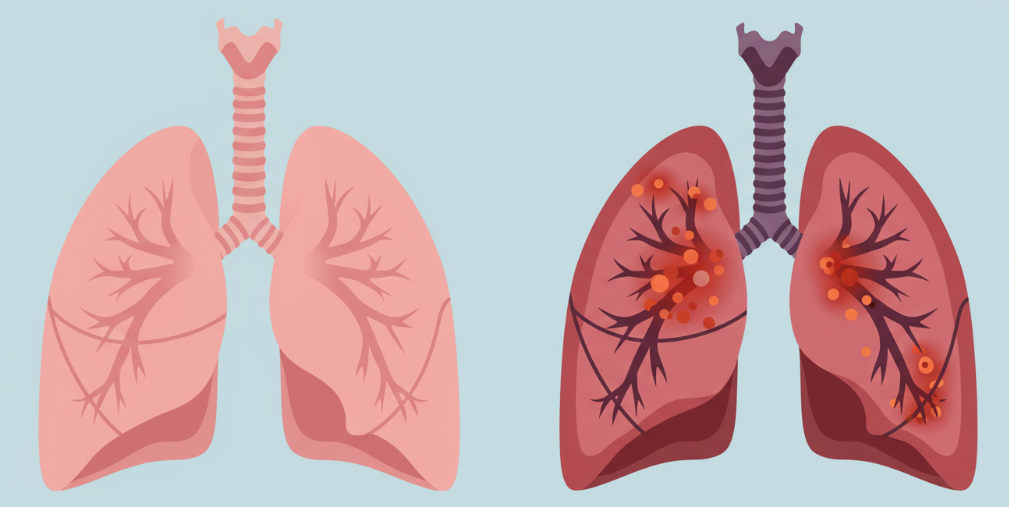
Healthy lungs are essential for oxygenating the body and maintaining overall vitality. However, modern living — air pollution, smoking, and viral infections — often leads to chronic inflammation in the respiratory system. One of the most common conditions is bronchitis, characterized by coughing, mucus buildup, and airway irritation.
In traditional Korean medicine, Korean Red Ginseng (Panax ginseng C.A. Meyer) has long been valued as a respiratory tonic, known to strengthen the lungs, boost immunity, and support faster recovery from respiratory illnesses. Modern research now confirms that the herb’s anti-inflammatory, antioxidant, and immune-modulating compounds offer measurable benefits for lung health and bronchial function.
🔬 1. How Korean Red Ginseng Supports Lung Function
The active compounds in Korean Red Ginseng, known as ginsenosides (particularly Rg3, Rb1, and Rh2), play a critical role in protecting lung tissues from oxidative and inflammatory stress.
Scientific studies show that ginsenosides:
- Inhibit inflammatory cytokines such as IL-1β, TNF-α, and IL-6, which are elevated during bronchitis and pneumonia.
- Protect lung epithelial cells from oxidative damage caused by pollutants and infection.
- Regulate mucus production to ease coughing and improve airway clearance.
A 2021 study published in the Journal of Ginseng Research found that Korean Red Ginseng extract improved lung capacity and reduced inflammatory markers in mice exposed to cigarette smoke, suggesting its potential role in protecting human respiratory health.
🫁 2. Reducing Inflammation in the Airways
Bronchitis and other lung inflammations are primarily caused by excessive immune responses in the bronchi (air passages). Ginseng’s bioactive compounds help restore balance by modulating the NF-κB signaling pathway, which controls inflammation in the respiratory system.
In a clinical trial conducted in Seoul National University Hospital, patients taking a red ginseng supplement for four weeks showed:
- Reduced coughing frequency
- Less chest tightness
- Improved oxygen saturation levels
The study concluded that red ginseng’s anti-inflammatory and antioxidant synergy made it a promising supportive therapy for respiratory inflammation, especially in those recovering from infections or chronic bronchitis.
💨 3. Strengthening Immunity Against Respiratory Infections
A strong immune system is crucial for preventing bronchial infections. Korean Red Ginseng acts as a natural immunomodulator, enhancing the body’s defense mechanisms without overstimulating them.
Key benefits include:
- Stimulating macrophage activity — cells that engulf and destroy harmful pathogens.
- Enhancing interferon production, helping the body fight viral infections like influenza or respiratory syncytial virus (RSV).
- Balancing Th1/Th2 immune responses, reducing excessive inflammation that can damage lung tissue.
A review in Frontiers in Pharmacology (2020) noted that ginseng supplementation reduced both the frequency and severity of respiratory infections in older adults, supporting its role in maintaining healthy lung immunity.
🌿 4. Assisting Recovery from Bronchitis
During bronchitis recovery, inflammation and mucus congestion can linger for weeks. Korean Red Ginseng accelerates healing by:
- Promoting better blood oxygenation through improved circulation
- Enhancing lung tissue regeneration and repair
- Reducing oxidative stress in bronchial tissues
Combined with antioxidants like vitamin C and zinc, ginseng works synergistically to shorten recovery time and reduce fatigue often associated with prolonged coughing and infection.
⚖️ 5. The Role of Ginseng’s Adaptogenic Properties
Ginseng’s adaptogenic effects mean it helps the body resist physical and environmental stressors — including pollutants and pathogens that strain the lungs.
By supporting adrenal balance and reducing cortisol, it minimizes the inflammatory impact of chronic stress on the respiratory system, indirectly improving lung resilience over time.
This makes it particularly beneficial for individuals exposed to smoke, pollution, or occupational irritants.
🌺 6. How to Use Korean Red Ginseng for Lung Support
For respiratory and lung health benefits:
- Standardized extract (4–8% ginsenosides): 200–400 mg per day
- Powder or capsule: 1–2 grams daily
- Tea or tonic: 1–2 cups daily for preventive support
For those recovering from bronchitis or frequent cough, pairing red ginseng with honey, licorice root, or ginger enhances its soothing and expectorant effects.
⚠️ Note: Individuals with asthma, chronic lung disease, or on prescribed medication should consult a healthcare provider before use.
🌸 7. Long-Term Respiratory Benefits
Consistent use of Korean Red Ginseng has been shown to:
- Reduce inflammation in lung tissues
- Strengthen immune defense against respiratory pathogens
- Enhance oxygen uptake and stamina
- Protect lungs from oxidative damage caused by pollution or smoking
In essence, red ginseng supports the lungs both preventively and therapeutically, offering a natural foundation for long-term respiratory health.
🌿 Conclusion
Korean Red Ginseng provides a powerful, natural approach to maintaining lung health and managing respiratory inflammation.
Through its anti-inflammatory, antioxidant, and immune-modulating properties, it helps alleviate symptoms of bronchitis, accelerate recovery, and protect the lungs from chronic damage.
For anyone seeking a holistic and science-backed solution to support breathing and vitality, Korean Red Ginseng remains one of nature’s most reliable allies.
🇰🇷 Premium Korean Ginseng Online Shop