A Natural Ally for a Stronger, Healthier Heart
For centuries, Panax ginseng, particularly Korean Red Ginseng (KRG), has been regarded as one of Asia’s most revered herbal remedies. Beyond its traditional reputation for boosting energy and vitality, modern research reveals that red ginseng also plays a remarkable role in supporting cardiovascular health — from improving blood circulation to balancing cholesterol and blood pressure levels.
In a world where heart disease remains the leading cause of mortality, understanding how natural adaptogens like Korean Red Ginseng protect and optimize cardiovascular function can be a game-changer for long-term wellness.
1. The Science Behind Korean Red Ginseng and Heart Health
Korean Red Ginseng contains ginsenosides, powerful bioactive compounds that exhibit antioxidant, anti-inflammatory, and vasodilatory effects. These natural molecules help protect the heart and blood vessels from oxidative stress and damage caused by high blood pressure or cholesterol.
According to a study published in the Journal of Ginseng Research (2020), ginsenosides improve endothelial function — the ability of blood vessels to relax and contract properly — which is crucial for maintaining stable blood flow and preventing atherosclerosis.
Another mechanism involves nitric oxide (NO) synthesis. Ginsenosides, especially Rg1 and Rb1, stimulate the production of nitric oxide in the endothelium. This action promotes blood vessel dilation, enhances oxygen transport, and reduces the strain on the heart.
“Korean Red Ginseng helps improve vascular elasticity and circulation by increasing nitric oxide levels, which lowers vascular resistance,” – Healthline, 2023.
2. Cholesterol Regulation and Antioxidant Protection
High LDL cholesterol (“bad cholesterol”) and triglycerides are major contributors to heart disease. Studies indicate that regular consumption of Korean Red Ginseng may help regulate lipid metabolism, reducing LDL levels while improving HDL (“good cholesterol”).
A clinical trial published in Phytotherapy Research (2019) found that participants taking red ginseng for 8 weeks experienced significant reductions in total cholesterol and LDL levels, alongside improved blood antioxidant capacity.
This antioxidant property protects arterial walls from oxidative damage — a leading factor in plaque formation. By neutralizing free radicals, red ginseng indirectly helps maintain clean and flexible arteries, supporting long-term cardiovascular resilience.
3. Supporting Healthy Blood Pressure and Circulation
Balanced blood pressure is essential for heart health, and Korean Red Ginseng demonstrates a dual regulatory effect. For individuals with mild hypertension, it helps reduce systolic pressure, while for those with low blood pressure, it aids in normalization by improving vascular tone and cardiac output.
A National Institutes of Health (NIH) review in 2022 highlighted ginseng’s adaptogenic effects on the cardiovascular system — enhancing circulation and oxygen delivery without overstimulating the heart.
Moreover, by reducing cortisol (the stress hormone) and enhancing nitric oxide activity, ginseng contributes to better microcirculation, especially in extremities like hands, feet, and even brain capillaries — a benefit often noted by people who use it regularly.
4. Comparative Table: Cardiovascular Effects of Korean Red Ginseng
| Health Aspect | Mechanism of Action | Scientific Evidence | Clinical Benefit |
|---|---|---|---|
| Blood Pressure Regulation | Improves nitric oxide and vascular relaxation | NIH, 2022; JGR, 2020 | Stabilizes BP, reduces hypertension risk |
| Cholesterol Balance | Lowers LDL, raises HDL | Phytother Res, 2019 | Reduces atherosclerosis risk |
| Circulation & Oxygenation | Enhances microcirculation and blood flow | Healthline, 2023 | Increases oxygen supply, reduces fatigue |
| Heart Muscle Protection | Antioxidant and anti-inflammatory effects | PubMed, 2021 | Reduces oxidative stress on myocardium |
5. How to Take Korean Red Ginseng for Heart Support
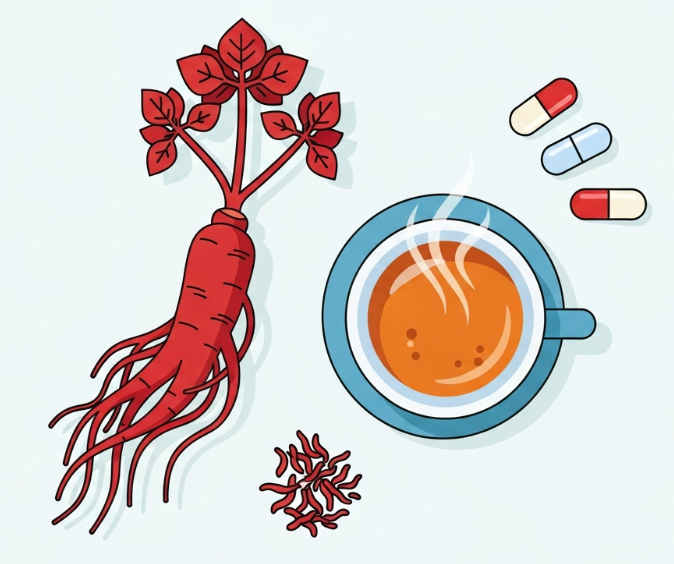
Korean Red Ginseng is available in several forms — extracts, tonics, capsules, and tea. For cardiovascular benefits, experts recommend standardized extracts containing 4–7% ginsenosides, taken consistently over several weeks.
Recommended usage:
- Extract or capsule form: 500–1,000 mg daily
- Tea or tonic: 1–2 servings per day
- Cycle duration: 6–8 weeks, followed by a short break
It’s important to note that ginseng’s effects are cumulative. Consistent use over time provides the most pronounced cardiovascular benefits.
💡 Tip: Pair your ginseng routine with lifestyle adjustments — such as regular exercise, a balanced diet, and stress management — to amplify heart health outcomes.
6. Safety and Considerations
Korean Red Ginseng is generally safe for long-term use when taken at recommended doses. However, individuals on blood pressure medication, blood thinners, or diabetes treatment should consult a healthcare professional before beginning supplementation.
Side effects are rare but can include mild insomnia or sensitivity in those who take it too close to bedtime. Choosing high-quality, standardized Korean Red Ginseng products from reputable sources ensures both safety and efficacy.
7. The Bottom Line
Korean Red Ginseng stands out as one of nature’s most effective adaptogenic herbs for cardiovascular health. From enhancing blood flow and vessel elasticity to reducing cholesterol and oxidative damage, its benefits are both time-honored and scientifically validated.
Incorporating Korean Red Ginseng into your daily wellness regimen can help you strengthen your heart, improve circulation, and maintain balanced energy levels — naturally and safely.
🇰🇷 Premium Korean Ginseng Online Shop