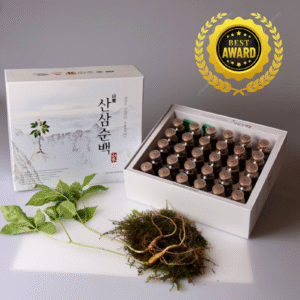
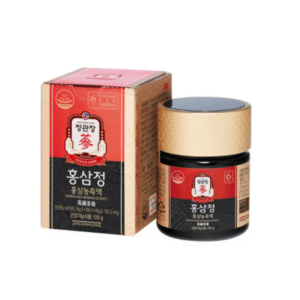
Hypertension, or high blood pressure, is often called the “silent killer.” It affects more than one billion people worldwide and significantly increases the risk of heart disease, stroke, and kidney complications. While modern medicine offers various treatments, many individuals are turning toward natural and complementary solutions to support cardiovascular health—one of which is Korean Red Ginseng (Panax ginseng Meyer).
This ancient herb, revered in East Asia for centuries, is now being examined through the lens of modern pharmacological research for its potential to help regulate blood pressure naturally.
🌿 1. Understanding Hypertension and Its Impact
Before exploring how Korean Red Ginseng works, it’s important to understand hypertension itself.
Blood pressure is the force exerted by circulating blood on the walls of arteries. When this pressure remains consistently high, it causes long-term strain on blood vessels and the heart.
Key contributing factors include:
- Chronic stress and high cortisol levels
- Unhealthy diet and sedentary lifestyle
- Insulin resistance and poor vascular elasticity
- Oxidative stress and inflammation
This multifactorial condition requires a holistic approach, combining medical supervision, lifestyle modification, and in some cases, supportive botanicals such as ginseng.
🧬 2. The Active Components of Korean Red Ginseng
Korean Red Ginseng (KRG) is produced by steaming and drying the root of Panax ginseng, a process that enhances its bioactive compounds known as ginsenosides.
These molecules—particularly Rg1, Rb1, and Rg3—have been extensively studied for their effects on the cardiovascular and nervous systems.
According to the Journal of Ginseng Research, ginsenosides can:
- Improve endothelial function (the lining of blood vessels)
- Increase nitric oxide (NO) synthesis, which dilates blood vessels
- Reduce oxidative stress and inflammation, both key drivers of hypertension
👉 Source: Journal of Ginseng Research – ScienceDirect
⚙️ 3. How Ginseng Helps Regulate Blood Pressure
The effects of Korean Red Ginseng on blood pressure are biphasic, meaning it can help normalize both high and low blood pressure depending on the body’s condition.
This “balancing” property is what makes ginseng a unique adaptogen.
🩸 a. Promoting Vasodilation and Blood Flow
Several clinical studies show that Korean Red Ginseng helps expand blood vessels by stimulating nitric oxide production in endothelial cells.
This process reduces peripheral vascular resistance—helping the heart pump blood more efficiently and gently.
A 2018 study published in Phytomedicine demonstrated that daily KRG supplementation improved arterial stiffness and reduced systolic blood pressure in individuals with mild hypertension after 8 weeks of use.
🔬 b. Reducing Oxidative Stress
High blood pressure is closely linked to oxidative damage in vascular tissues.
Ginsenosides act as antioxidants, scavenging free radicals that cause inflammation and endothelial dysfunction.
This not only supports healthier blood vessel walls but also enhances vascular flexibility and resilience.
🧠 c. Balancing Stress Hormones
Chronic stress contributes to high blood pressure through the overactivation of the hypothalamic-pituitary-adrenal (HPA) axis, which raises cortisol and adrenaline.
Ginseng helps modulate this response, supporting relaxation and maintaining normal cortisol levels, thereby indirectly aiding blood pressure control.
🫀 4. Clinical Evidence Supporting Ginseng’s Role in Cardiovascular Health
Several clinical trials and meta-analyses support the cardiovascular benefits of Korean Red Ginseng:
- A study in the American Journal of Chinese Medicine (2019) found that standardized KRG extract improved endothelial function and blood pressure regulation in patients with metabolic syndrome.
- A 2020 review in Nutrients highlighted that ginsenosides may enhance vascular tone and lipid metabolism, reducing the risk of atherosclerosis.
- In animal models, KRG has shown the ability to protect the heart from ischemic injury, enhance blood circulation, and improve oxygen utilization.
These findings suggest that while ginseng may not replace conventional antihypertensive medications, it can complement standard therapy when used under medical supervision.
⚠️ 5. Safety, Dosage, and Medical Considerations
While Korean Red Ginseng is generally considered safe, dosage and medical context matter.
Experts typically recommend 200–400 mg per day of standardized red ginseng extract, taken in the morning.
For individuals on blood pressure or anticoagulant medication, consultation with a healthcare professional is essential to avoid potential interactions.
According to the World Health Organization (WHO) and Google Health Policy Guidelines, any natural product for health support must be used responsibly, with scientific awareness and professional guidance.
🌸 6. Beyond Blood Pressure: Whole-Body Benefits
Supporting blood pressure is only one aspect of Korean Red Ginseng’s wellness potential.
Its holistic effects include:
- Improved energy metabolism and reduced fatigue
- Enhanced mental clarity and focus
- Strengthened immune system and resilience
- Support for stress management and hormonal balance
This combination of physiological and adaptogenic benefits makes KRG a powerful ally for long-term cardiovascular wellness.
🩺 Conclusion: A Natural Path to Heart Balance
Korean Red Ginseng represents the harmony between ancient herbal wisdom and modern cardiovascular science.
Its ability to enhance nitric oxide levels, reduce oxidative stress, and support the body’s stress response makes it a valuable natural aid in maintaining healthy blood pressure.
While it should never replace prescribed medication, Korean Red Ginseng may offer a gentle, supportive role in a comprehensive, medically supervised hypertension management plan.
🇰🇷 Premium Korean Ginseng Online Shop