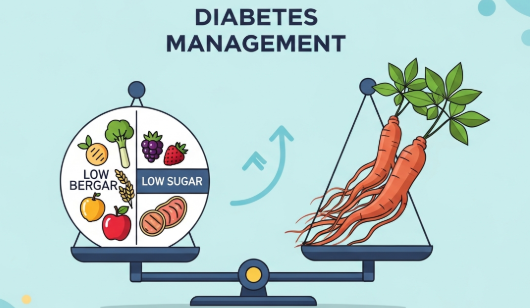
Managing diabetes effectively often requires more than just medication. One of the most powerful tools for controlling blood sugar levels is a low-sugar diet. Reducing sugar intake helps prevent spikes in blood glucose, improve insulin sensitivity, and reduce the risk of long-term complications.
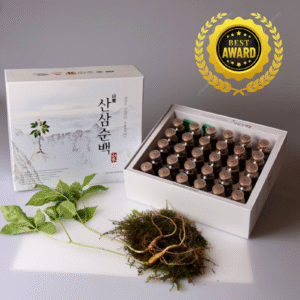
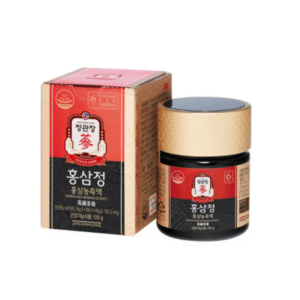
In addition to dietary changes, natural supplements like Korean ginseng (Panax ginseng) can complement your efforts by helping regulate blood sugar, boost energy, and support overall metabolic health.
Why a Low-Sugar Diet Matters for Diabetes
High blood sugar levels are the primary concern in both type 1 and type 2 diabetes. Consuming excessive sugar can:
- Cause rapid spikes in blood glucose, which may be difficult to control even with medication.
- Contribute to insulin resistance, making it harder for cells to absorb glucose.
- Increase the risk of weight gain, cardiovascular problems, and inflammation.
A low-sugar diet helps maintain more stable blood glucose levels, improves energy, and supports overall metabolic function.
Key Principles of a Low-Sugar Diet
- Focus on Whole Foods
- Choose vegetables, fruits with low glycemic index, whole grains, lean proteins, and healthy fats.
- Whole foods release glucose slowly, preventing sharp spikes.
- Limit Added Sugars
- Avoid candies, sugary drinks, pastries, and sweetened snacks.
- Read labels carefully for hidden sugars like corn syrup, sucrose, or maltose.
- Control Portion Sizes
- Even natural sugars in fruit or dairy can affect blood sugar if consumed in large amounts.
- Use smaller portions to maintain balance.
- Balance Macronutrients
- Combine carbohydrates with protein and healthy fats to slow digestion and reduce blood sugar spikes.
- Stay Hydrated
- Water helps your body process glucose and prevents dehydration, which can worsen diabetes symptoms.
How Korean Ginseng Supports a Low-Sugar Diet
Panax ginseng, particularly Korean ginseng, has been studied for its potential to help manage blood sugar and support energy.
1. Enhances Glucose Utilization
- Helps cells absorb glucose more efficiently, reducing post-meal blood sugar spikes.
2. Improves Insulin Sensitivity
- Complements dietary efforts and medications like Metformin, helping your body use insulin more effectively.
3. Supports Energy Levels
- Low-sugar diets reduce glucose fluctuations, but some patients may experience fatigue. Ginseng helps sustain energy naturally.
4. Protects Metabolic Health
- Antioxidant and anti-inflammatory compounds in ginseng reduce oxidative stress linked to diabetes complications.
Practical Tips for Implementing a Low-Sugar Diet
- Plan Meals Ahead
- Include fiber, protein, and healthy fats at each meal.
- Avoid skipping meals, which can cause sugar cravings.
- Choose Low-Glycemic Fruits
- Berries, apples, and pears release sugar slowly.
- Limit tropical fruits like mangoes and pineapples if blood sugar spikes are a concern.
- Swap Sugary Beverages
- Replace sodas, sweetened tea, and energy drinks with water, herbal tea, or unsweetened beverages.
- Incorporate Ginseng as a Supplement
- Consult your doctor before starting.
- Ginseng can help stabilize blood sugar and boost energy, enhancing the benefits of a low-sugar diet.
- Track Your Progress
- Monitor blood sugar regularly to see how dietary changes affect your glucose levels.
- Adjust your diet as needed based on results.
Conclusion
A low-sugar diet is a cornerstone of diabetes management. By reducing sugar intake and focusing on whole, nutrient-dense foods, patients can stabilize blood glucose, prevent insulin resistance, and improve overall health.
Korean ginseng (Panax ginseng) offers complementary benefits by enhancing glucose utilization, boosting energy, and protecting metabolic health. Combining a low-sugar diet with natural supplements and proper medical care provides a holistic approach to diabetes management.
🇰🇷 Premium Korean Ginseng Online Shop