Hypertension in pregnancy is a serious medical condition that affects maternal and fetal health. It includes chronic hypertension, gestational hypertension, and the more dangerous form known as preeclampsia. Because symptoms can be subtle or even silent, early recognition is essential.
This article provides an in-depth, scientific explanation of hypertension in pregnancy, risk factors, mechanisms, potential complications, and how natural herbal support — including Korean ginseng (Panax ginseng) — may complement overall wellness (not as medical treatment).
⭐ What Is Hypertension in Pregnancy?
Hypertension in pregnancy is defined as:
- ≥140/90 mmHg on at least two measurements,
- occurring before or after 20 weeks of gestation depending on the subtype.
Types of Hypertension in Pregnancy
- Chronic Hypertension
Present before pregnancy or diagnosed before 20 weeks. - Gestational Hypertension
High blood pressure after 20 weeks, without proteinuria or organ damage. - Preeclampsia
Hypertension after 20 weeks PLUS:- protein in urine, or
- organ dysfunction (liver, kidney, brain), or
- fetal growth restriction.
- Eclampsia
Preeclampsia with seizures — a life-threatening emergency.
🔎 Scientific Risk Factors for Hypertension in Pregnancy
Risk increases when the mother has:
- First pregnancy
- Age <20 or >35
- Obesity or insulin resistance
- History of hypertension
- Family history of preeclampsia
- Multiple pregnancy (twins, triplets)
- Autoimmune diseases
- Diabetes
- Kidney disease
- Low antioxidant status or chronic stress
🩺 Early Signs and Symptoms
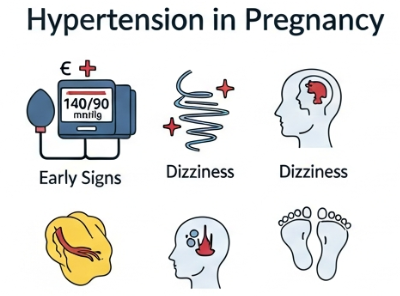
Hypertension in pregnancy can be silent, but early signs may include:
1. Persistent Headaches
Caused by changes in cerebral blood flow or endothelial dysfunction.
2. Swelling of Hands, Face, or Legs
Edema occurs due to increased vascular permeability.
3. Sudden Weight Gain
Rapid fluid retention may indicate preeclampsia.
4. Blurred Vision or Light Sensitivity
Microvascular changes in the retina or cerebral edema.
5. Upper Abdominal Pain (Right Side)
Associated with liver involvement in preeclampsia.
6. Nausea, Vomiting, or Shortness of Breath
Indicates more severe maternal organ stress.
7. Decreased Fetal Movement
May be due to impaired placental blood flow.
Immediate medical evaluation is essential if these symptoms appear.
⚠️ Potential Complications (Scientific Overview)
Hypertension in pregnancy increases the risk of:
For the Mother
- Stroke
- Organ damage (kidney, liver, brain)
- Placental abruption
- Preterm labor
- Eclampsia
- HELLP syndrome (Hemolysis, Elevated Liver enzymes, Low Platelets)
For the Baby
- Restricted growth (FGR/IUGR)
- Preterm birth
- Low birth weight
- Reduced oxygen supply
- Stillbirth (in severe untreated cases)
Hypertension is one of the top causes of maternal mortality worldwide, making awareness extremely important.
🌿 How Korean Ginseng May Support Maternal Wellness (Non-Medical Support)
Korean ginseng does NOT treat hypertension in pregnancy, and pregnant women should consult a healthcare provider before using any supplement.
However, scientific studies on Panax ginseng show potential general benefits for:
✔ Improved circulation
Ginsenosides may help promote nitric oxide production and endothelial function.
✔ Reduced oxidative stress
Oxidative imbalance is a contributing factor in complications like preeclampsia.
✔ Better stress resilience
Pregnancy increases cortisol levels; ginseng is an adaptogen that may support stress modulation.
✔ Enhanced energy and reduced fatigue
Useful for supporting overall maternal well-being.
Important:
Pregnant women must seek medical advice before consuming ginseng. Some forms may not be recommended.
Ginseng should be considered general wellness support, not a treatment.
🧘 Lifestyle Guidance for Pregnancy Hypertension (General Wellness)
- Maintain a balanced, nutrient-rich diet
- Adequate protein intake
- Limit high-sodium foods
- Monitor blood pressure regularly
- Light exercise (as approved by a doctor)
- Manage stress with breathing or stretching
- Stay hydrated
- Attend all prenatal checkups