Stress is not just a feeling — it is a biological reaction that affects nearly every system in the body. Modern research shows that chronic stress contributes to hormonal imbalance, sleep disturbances, impaired concentration, premature aging, cardiovascular strain, and weakened immunity. Because stress has become one of the most common health concerns globally, recognizing the early symptoms is essential to prevent long-term consequences.
This article explores scientifically established stress symptoms, how the body responds under pressure, and how Korean ginseng (Panax ginseng) can support resilience and recovery based on clinical research.
What Happens in the Body During Stress?
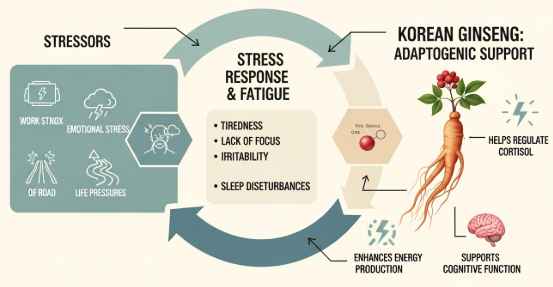
When exposed to stressors — emotional, physical, or environmental — the body activates the hypothalamic–pituitary–adrenal (HPA) axis, releasing stress hormones such as:
- Cortisol
- Adrenaline
- Norepinephrine
Short-term activation is normal and useful. But chronic elevation leads to harmful effects, including inflammation, hormonal disruption, and metabolic dysfunction.
Common Science-Backed Stress Symptoms
1. Persistent Fatigue and Low Energy
Chronic stress impairs mitochondrial function, reducing the body’s ability to produce ATP (energy). Research shows cortisol dysregulation is strongly linked to constant tiredness even after rest.
2. Headaches and Muscle Tension
The stress response increases muscle contraction and vasoconstriction, particularly around the neck, shoulders, and scalp. This is why tension headaches are one of the most frequent stress-related complaints.
3. Sleep Disturbances (Insomnia or Poor Sleep Quality)
Elevated cortisol at night interferes with melatonin production, making it difficult to fall asleep or stay asleep. Poor sleep, in turn, intensifies stress, creating a damaging cycle.
4. Digestive Issues
Stress modifies the gut–brain axis and alters GI motility, leading to:
- Bloating
- Acid reflux
- Loss of appetite or overeating
- Irritable bowel symptoms
5. Mood Changes and Irritability
High cortisol affects neurotransmitters such as serotonin, dopamine, and GABA. As a result, individuals may experience:
- Anxiety
- Irritability
- Emotional sensitivity
- Low mood
6. Cognitive Problems
Chronic stress impairs the prefrontal cortex, leading to:
- Difficulty concentrating
- Poor memory
- Slower decision-making
7. Lowered Immunity
Scientific evidence shows stress suppresses immune function, making individuals more prone to infections. Cortisol reduces lymphocyte production, weakening the body’s defense system.
How Korean Ginseng Helps Manage Stress: Evidence-Based Benefits
Korean ginseng (Panax ginseng) is a well-studied adaptogen, meaning it helps the body maintain balance under stress. Numerous peer-reviewed studies support its role in improving mental and physical resilience.
Below are scientifically supported benefits:
1. Regulates Cortisol Levels
Research published in Journal of Ginseng Research demonstrates that Korean ginseng helps reduce excessive cortisol and modulates the HPA axis.
This leads to:
- Better emotional stability
- Improved stress tolerance
- More balanced energy levels
2. Enhances Brain Function and Mental Clarity
Ginsenosides (active compounds in ginseng) improve neurotransmitter balance and blood flow to the brain. Studies show improvements in:
- Concentration
- Working memory
- Cognitive performance under stress
3. Boosts Physical Energy and Reduces Fatigue
Korean ginseng increases mitochondrial efficiency, supporting ATP production. Clinical trials show significant reductions in:
- Chronic fatigue
- Post-exertional stress
- Mental burnout
4. Supports Better Sleep
By balancing the stress response, ginseng indirectly improves sleep quality. Some studies suggest it may enhance non-REM sleep and reduce nighttime awakenings.
5. Strengthens the Immune System
Korean ginseng stimulates immune cells such as:
- Natural killer (NK) cells
- Macrophages
- T-lymphocytes
This helps counteract stress-induced immune suppression.
How to Incorporate Korean Ginseng Safely
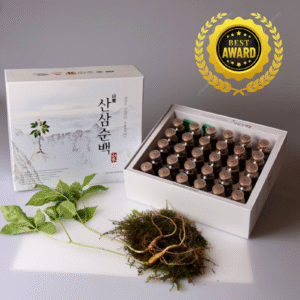
Korean ginseng can be consumed as:
- Extract capsules
- Liquid tonics
- Powdered root
- Herbal tea
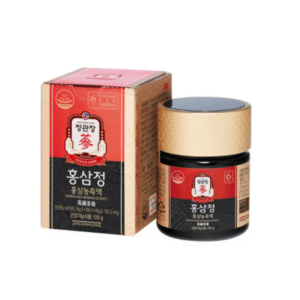
- Concentrated red ginseng products
Typical dosage in studies: 200–400 mg of standardized extract daily.
Disclaimer: Always consult a healthcare professional before starting any supplement, especially if you have medical conditions or are taking medication.
Conclusion
Stress symptoms should never be ignored, as they can lead to long-term physical and psychological consequences. Understanding how the body reacts under pressure is essential for prevention and early intervention.
Korean ginseng, supported by modern scientific studies, offers a natural way to enhance resilience, reduce the impact of stress hormones, improve mental clarity, and strengthen the immune system.
By combining lifestyle changes, stress management techniques, and evidence-based herbal support such as premium Korean ginseng, individuals can achieve better daily balance and long-term well-being.