Panax ginseng—also known as Korean ginseng or Asian ginseng—is one of the most comprehensively researched medicinal plants in the world. For thousands of years, it has been an integral part of East Asian herbal tradition. In recent decades, it has also become a major subject in biomedical and pharmacological research, especially due to its rich content of ginsenosides—unique saponin compounds that contribute to many of its physiological properties.
Today, Panax ginseng is recognized globally not as a cure for disease, but as a potential supportive herbal supplement that may influence various biological pathways, including energy metabolism, cognitive function, stress regulation, vascular function, and immune modulation. Because of its complex molecular profile, Panax ginseng is often studied through multidisciplinary fields such as pharmacognosy, neuroscience, cardiometabolic science, and immunology.
This article explores Panax ginseng with greater scientific depth, following safe and responsible health communication guidelines.
Botanical and Biochemical Overview
Botanical Identity
- Name: Panax ginseng C.A. Meyer
- Family: Araliaceae
- Part Used: Root (primary), occasionally leaf and berry
- Native Regions: Korea, Northeast China, Siberia
The plant typically requires 4–6 years of cultivation before harvest, allowing ginsenosides to accumulate in potent concentrations.
Bioactive Phytochemicals in Panax Ginseng
Panax ginseng contains over 200 bioactive molecules, but the most researched classes include:
1. Ginsenosides (Primary Active Compounds)
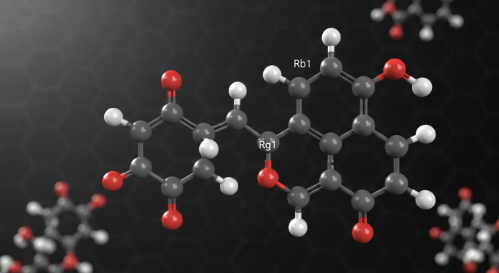
More than 100 ginsenosides have been identified. These steroidal saponins exhibit diverse pharmacological activities. Key categories include:
- Protopanaxadiol (PPD) group: Rb1, Rb2, Rc, Rd
- Often associated with calming or stabilizing physiological effects
- Protopanaxatriol (PPT) group: Rg1, Re, Rf
- Frequently linked to energy, cognitive, and mental performance support
- Less common ginsenosides (Rg3, Rh1, Rh2, Compound K)
- Emerge during steaming for Red Ginseng; studied for circulatory, antioxidant, and cellular-protection functions
These compounds interact with molecular pathways involved in neurotransmission, nitric oxide regulation, oxidative stress reduction, and cellular metabolism.
2. Polysaccharides
Ginseng polysaccharides exhibit immunomodulatory and antioxidant properties.
They may interact with gut-associated lymphoid tissue (GALT), supporting the body’s natural defense mechanisms.
3. Polyacetylenes, Peptides & Essential Oils
Though present in smaller amounts, these compounds contribute to antioxidant capacity, metabolic influence, and adaptogenic effects.
Evidence-Based Potential Benefits of Panax Ginseng
Below is a detailed scientific exploration of key areas where Panax ginseng may offer supportive benefits. These are not medical claims but findings from controlled studies, mechanistic experiments, and traditional use patterns.
1. Cognitive Function and Neuroprotection
Mechanisms of Interest
Research suggests Panax ginseng may influence brain function through several pathways:
- Modulation of neurotransmitters (acetylcholine, dopamine, serotonin)
- Anti-inflammatory effects on neural tissues
- Antioxidant protection against free radicals
- Stimulation of neurotrophic factors (e.g., BDNF)
- Increased cerebral blood flow
What Studies Suggest
- May support attention, working memory, and processing accuracy
- May reduce mental fatigue during prolonged cognitive tasks
- Certain ginsenosides (e.g., Rg1) may promote neuronal resilience under stress
These mechanisms make Panax ginseng an herb of interest in both neurocognitive wellness and aging-related research.
2. Energy Metabolism and Physical Performance
Cellular Mechanisms
Panax ginseng is widely studied for its influence on cellular energy because:
- Ginsenosides may support mitochondrial efficiency
- They may enhance ATP synthesis pathways
- Some compounds modulate AMPK, the body’s metabolic “energy sensor”
Research Observations
- May help reduce perceived fatigue
- May support endurance in physical tasks
- Often used as a natural vitality enhancer
- Frequently included in adaptogenic formulations for promoting stamina
Again, these effects vary across individuals and do not replace medical treatment for fatigue-related conditions.
3. Stress Regulation and Adaptogenic Support
Panax ginseng is classified as an adaptogen, meaning it may support the body’s ability to adapt to stress.
Mechanistic Basis
- Influences the HPA axis (hypothalamic–pituitary–adrenal axis)
- May modulate cortisol response
- May support balance between excitatory and inhibitory neurotransmitters
Potential Outcomes
- Improved stress tolerance
- Support for emotional balance
- Reduced stress-induced fatigue
These effects are subtle and cumulative, typically observed with consistent use.
4. Vascular Function and Circulation
Key Molecular Pathways
Some ginsenosides—particularly Rg3—are associated with:
- Enhanced nitric oxide (NO) synthesis
- Relaxation of vascular smooth muscle
- Support of healthy endothelial function
Scientific Findings Suggest Panax Ginseng May:
- Support healthy blood flow
- Contribute to vascular resilience
- Promote general cardiovascular wellness
All cardiovascular health concerns must be evaluated by a physician; ginseng should not be used as a treatment.
5. Antioxidant and Immune Modulation Benefits
Antioxidant Role
Ginsenosides and polysaccharides may:
- Neutralize reactive oxygen species (ROS)
- Improve antioxidant enzyme activity (SOD, catalase, glutathione peroxidase)
- Protect cellular structures from oxidative stress
Immune Interest
Studies indicate Panax ginseng may:
- Support immune cell communication
- Enhance natural immune response under stress
- Help maintain balance in immune signaling pathways
These findings make Panax ginseng popular during periods of heightened physical or mental demands.
Red Ginseng vs. White Ginseng: Does Processing Matter?
Yes.
Steaming and drying Panax ginseng to produce Korean Red Ginseng creates unique ginsenosides (Rg3, Rh1, Rh2, Compound K). These compounds may exhibit strong antioxidant and circulatory-supportive properties.
Red Ginseng
- Higher ginsenoside diversity
- Longer shelf life
- More prominent adaptogenic effects
- Often studied for circulation and stamina support
White Ginseng
- Milder ginsenoside profile
- Often used for general vitality and daily wellness
Safety Considerations & Responsible Use
Before using Panax ginseng:
- Consult a healthcare provider if pregnant, breastfeeding, taking medication, or managing chronic conditions.
- Follow recommended dosages.
- Choose standardized products with clear ginsenoside concentrations.
Panax ginseng is generally well tolerated but may cause mild effects in some individuals (e.g., digestive discomfort or sensitivity to stimulatory effects).
Why Korean Panax Ginseng Remains the Global Gold Standard
Korea’s climate, soil composition, traditional processing methods, and strict agricultural standards result in:
- higher purity
- more consistent ginsenoside concentration
- strong quality control
- centuries of traditional expertise
For authentic premium Korean ginseng, explore:
🇰🇷 Premium Korean Ginseng Online Shop