Cholesterol is a natural fat-like substance essential for hormone production, cell membrane structure, and vitamin D synthesis. While the body needs cholesterol, an excess—especially of LDL (low-density lipoprotein)—can increase the risk of plaque buildup and cardiovascular disease. The World Health Organization notes that high cholesterol contributes to an estimated 4.4 million deaths annually, making it one of the most influential modifiable health risks.
Because of this, many people are seeking safe, evidence-based ways to control cholesterol levels. This article explores scientifically validated lifestyle strategies, dietary modifications, and emerging research on ginseng—especially Panax and Korean Red Ginseng—as a supportive natural option within a healthy wellness plan.
Understanding How Cholesterol Works
Cholesterol circulates through the bloodstream via lipoproteins. The two major types are:
1. LDL Cholesterol (“Bad” Cholesterol)
High LDL can stick to artery walls and form plaque, causing:
- reduced blood flow
- increased blood pressure
- atherosclerosis
- heightened risk of heart attack and stroke
2. HDL Cholesterol (“Good” Cholesterol)
HDL works like a “clean-up system,” carrying excess cholesterol back to the liver.
3. Triglycerides
These store unused calories. High levels combined with high LDL raise cardiovascular risk substantially.
Understanding this balance is essential to choosing the right strategies for lowering total cholesterol.
Evidence-Based Ways to Lower Cholesterol
1. Improve Diet Quality
Decades of clinical research show that dietary patterns rich in whole, nutrient-dense foods dramatically reduce cholesterol.
Recommended foods:
- High-fiber foods: oats, barley, legumes, chia, vegetables
(Fiber binds cholesterol in the gut.) - Healthy fats: olive oil, avocado, nuts
(Rich in monounsaturated fats that support HDL.) - Omega-3 foods: salmon, sardines, mackerel
(Reduce triglycerides and inflammation.) - Fruit rich in polyphenols: apples, grapes, berries
(Support endothelial function and oxidative balance.)
Foods to reduce:
- deep-fried foods
- fatty cuts of meat
- butter, cream, and full-fat cheese
- sugary snacks and sweetened beverages
- refined carbs (white rice, white bread)
Adopting the Mediterranean diet has been associated with lower LDL and better cardiovascular outcomes in multiple long-term studies.
2. Maintain a Healthy Body Weight
Weight loss—even as little as 5–10% of body weight—has been shown to:
- reduce LDL and triglycerides
- lower inflammation
- improve insulin sensitivity
- raise HDL slightly
Fat stored around the abdomen is particularly associated with higher cholesterol levels.
3. Exercise Regularly
Physical activity helps the body regulate lipids more effectively.
Effective types of exercise:
- Aerobic exercise: brisk walking, cycling, swimming
- Strength training: improves metabolism and HDL
- High-intensity interval training (HIIT): efficient at lowering triglycerides
Guideline recommendation:
150 minutes of moderate exercise per week.
Regular activity can lift HDL by 5–10% and reduce harmful lipoproteins.
4. Reduce Stress
Chronic stress increases cortisol, which influences lipid metabolism. Mindfulness, breathing exercises, adequate sleep, and therapy can help improve lipid profile indirectly.
5. Limit Alcohol and Stop Smoking
Both alcohol overconsumption and smoking increase triglycerides and LDL oxidation. Quitting smoking is associated with a quick rise in HDL within weeks.
Can Ginseng Help Lower Cholesterol?
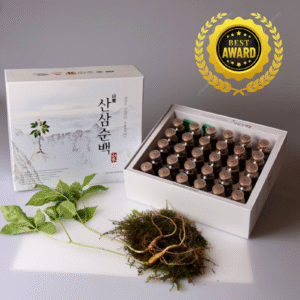
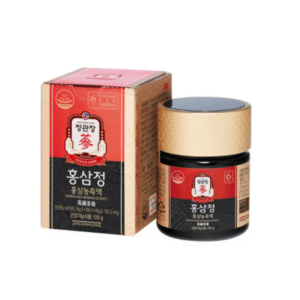
A Scientific Look at Panax and Korean Red Ginseng
Ginseng has been used for thousands of years in herbal medicine traditions, but modern research is now exploring its metabolic effects.
Clinical studies highlight several potential mechanisms:
1. Ginsenosides May Support Healthy Lipid Metabolism
Ginsenosides—the active compounds in Panax and Korean Red Ginseng—may help regulate LDL production in the liver.
Research suggests they may:
- reduce hepatic cholesterol synthesis
- increase bile acid excretion
- support cholesterol clearance pathways
These mechanisms are similar to mild, natural lipid-regulating effects.
2. Antioxidant Actions May Protect LDL From Oxidation
Oxidized LDL is more dangerous than normal LDL because it more easily forms arterial plaque.
Ginseng contains:
- ginsenosides
- polysaccharides
- polyacetylenes
- antioxidant peptides
These components may help reduce oxidative stress and support vascular health.
3. Possible Improvements in Blood Flow and Vascular Function
Some studies suggest red ginseng may support nitric oxide activity in the endothelium (the inner lining of blood vessels), helping maintain healthy circulation.
Better vascular function is linked indirectly to improved cholesterol transport.
4. Support for Metabolic Health
Certain trials show potential benefits in:
- glucose regulation
- triglyceride reduction
- improved inflammatory markers
These factors together may help maintain a healthy lipid balance when combined with lifestyle modifications.
Important Note
Ginseng is not a cure or primary treatment for high cholesterol.
However, evidence indicates it may be a supportive herb, useful as part of a holistic lifestyle approach, alongside diet, exercise, and medical guidance.
People who have medical conditions, take medications (especially blood thinners), or are pregnant should consult a healthcare professional before using ginseng.
Summary
Lowering cholesterol naturally requires a comprehensive approach:
- eat more fiber and healthy fats
- exercise regularly
- maintain a healthy weight
- avoid smoking and excess alcohol
- manage stress
And for those exploring herbal support, compounds in Panax and Korean Red Ginseng may help support healthy cholesterol metabolism, oxidative balance, and overall vascular wellbeing as part of a responsible wellness strategy.