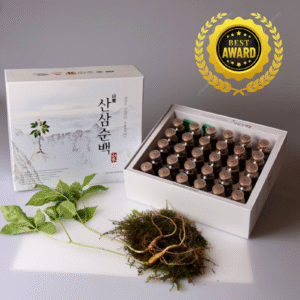
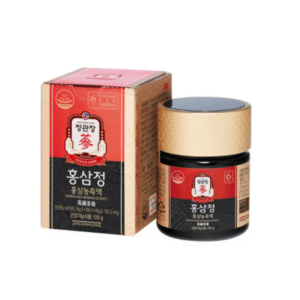
Ginseng has been used for centuries to support overall wellness. Today, modern research continues to highlight its potential advantages. One of the most discussed benefits is the role of ginseng for better blood circulation. Good circulation is essential for heart health, brain function, and energy levels. In this article, you will learn how ginseng supports healthy blood flow, what science says, and how to use it safely.
What Makes Ginseng Helpful for Blood Circulation?
Ginseng contains active compounds known as ginsenosides. These compounds may help improve nitric oxide production. Higher nitric oxide levels can relax blood vessels. As a result, blood moves more efficiently through your body.
Several studies suggest that ginseng may support vascular health. According to research published in The Journal of Ginseng Research (https://www.ncbi.nlm.nih.gov/pmc/articles/PMC3616554/), ginsenosides can improve blood vessel function. Other studies on PubMed (https://pubmed.ncbi.nlm.nih.gov/) also show promising results. However, more research is still needed.
With better circulation, your body may transport oxygen and nutrients more effectively. This process supports energy, focus, and heart health.
1. How Ginseng Supports Heart and Blood Vessel Health
Healthy circulation protects your cardiovascular system. Below are some ways ginseng contributes:
a. Helps Relax Blood Vessels
Ginseng may increase nitric oxide synthesis. This natural chemical helps widen blood vessels. Wider vessels improve blood flow and reduce stress on the heart.
b. Supports Healthy Blood Pressure Levels
Some studies indicate that ginseng may help maintain normal blood pressure. It works by supporting vascular balance. However, it is not a treatment for hypertension.
c. Helps Reduce Oxidative Stress
Oxidative stress can damage blood vessels. Ginseng contains antioxidants that may protect cells. This protection may support long-term vascular wellness.
d. May Improve Circulation in Extremities
Poor circulation often affects the hands and feet. Some users report feeling warmer after consistent ginseng consumption. This effect may relate to improved microcirculation.
Using ginseng for better blood circulation should always be paired with healthy habits. Eating nutritious foods, staying active, and maintaining hydration all help circulation too.
2. Types of Ginseng Most Commonly Used for Blood Flow
Not all ginseng varieties provide the same benefits. The most common types include:
• Korean Red Ginseng (Panax ginseng)
This is the most researched form. It contains higher levels of ginsenosides due to the steaming process.
• American Ginseng (Panax quinquefolius)
Milder in effect. Often recommended for stress relief and energy support.
• Siberian Ginseng (Eleutherococcus senticosus)
Technically not a true ginseng species. Yet, its adaptogenic properties may still support fatigue reduction.
If you want the best results for circulation, Korean Red Ginseng is widely supported by evidence.
3. Benefits Beyond Circulation: How Ginseng Supports Overall Health
Ginseng has a broad range of traditional and scientific uses. While not a cure for any disease, it may support:
• Energy and Stamina
Better blood flow allows oxygen to reach tissues faster. This process may reduce fatigue and promote endurance.
• Cognitive Function
Improved circulation to the brain may support memory, focus, and concentration. Some studies indicate that ginseng supports mental clarity.
• Immune Health
Ginseng contains compounds that may help your body respond to stress and maintain immune balance.
• Stress Management
Ginseng is known as an adaptogen. Adaptogens help your body maintain stability during physical or emotional stress.
These benefits work together to support overall vitality.
4. Safe Ways to Use Ginseng for Better Blood Circulation
If you want to use ginseng effectively and safely, follow these guidelines:
Choose Quality Products
Look for:
- Reputable brands
- Standardized ginsenoside levels
- Third-party testing
- Korean Red Ginseng for circulation support
Recommended Forms
Ginseng is available in many forms:
- Capsules
- Extracts
- Tea
- Powder
- Tonic drinks
General Dosage
Most studies use 200 mg to 400 mg per day of standardized extract. However, individual needs vary. Start low and increase slowly.
Best Time to Take It
Many people take ginseng in the morning. It may improve mental alertness. Evening use may disturb sleep in some individuals.
Possible Side Effects
Ginseng is generally well tolerated. Still, it may cause:
- Headache
- Digestive discomfort
- Insomnia
- Nervousness
Stop use if you notice any reactions.
Who Should Be Cautious
Avoid ginseng or consult a professional if you:
- Are pregnant or breastfeeding
- Take blood-thinning medication
- Have diabetes
- Have heart conditions
Ginseng for better blood circulation should never replace medical treatment. Always talk to a healthcare professional before using supplements.
5. Scientific Studies on Ginseng and Blood Circulation
Here are several reputable sources supporting ginseng’s effects:
- National Institutes of Health (NIH) – Detailed research on ginseng and cardiovascular function
https://ods.od.nih.gov/ - PubMed – Multiple studies on ginsenosides and vascular health
https://pubmed.ncbi.nlm.nih.gov/ - Journal of Ginseng Research – Scientific reviews on ginseng’s circulatory effects
https://www.ncbi.nlm.nih.gov/pmc/articles/PMC3616554/
These sources provide evidence-based insights. They also highlight the need for continued scientific exploration.
FAQ (Schema-Optimized)
1. Does ginseng really improve blood circulation?
Studies suggest that ginseng may improve blood vessel function and nitric oxide levels. These actions can support better circulation. However, results vary by individual.
2. How long does ginseng take to work?
Some people feel benefits within a few days. Others may need several weeks of consistent use.
3. Can I use ginseng if I take medication?
Always consult a healthcare provider. Ginseng may interact with some medications, especially blood thinners and diabetes drugs.
4. Which type of ginseng is best for circulation?
Korean Red Ginseng is the most researched variety for blood flow and vascular support.
5. Is ginseng safe for long-term use?
Short-term use is generally safe for healthy adults. Long-term use should be monitored by a healthcare professional.
Conclusion
Using ginseng for better blood circulation is supported by traditional use and modern research. Its ability to support nitric oxide production and protect blood vessels makes it a valuable herb for cardiovascular wellness. When combined with a healthy lifestyle, ginseng may help improve vitality, energy, and overall health.
Still, ginseng is not a substitute for medical care. Always consult a professional before starting any supplement. Safe use and quality products will give you the best results.
🇰🇷 Premium Korean Ginseng Online Shop