Managing diabetes requires a combination of healthy habits, lifestyle adjustments, and evidence-based strategies. Many people also explore herbal options as supportive tools. One herb that often appears in research is ginseng, especially when considering ginseng for diabetes management. Several studies suggest that certain types of ginseng may help regulate blood sugar levels, improve insulin sensitivity, and support metabolic health. This article explains these benefits using reliable scientific sources while following strict health-information standards.
What Makes Ginseng Valuable in Diabetes Management?
Ginseng has been used in traditional medicine for centuries. Today, modern research explores how its active compounds—called ginsenosides—affect metabolism and glucose control.
According to studies published in reputable sources such as PubMed, the National Institutes of Health (NIH), and Journal of Ginseng Research, ginseng may support glucose regulation through several mechanisms. These findings do not replace medical treatment, but they highlight potential complementary benefits.
How Ginseng Affects Blood Sugar Levels
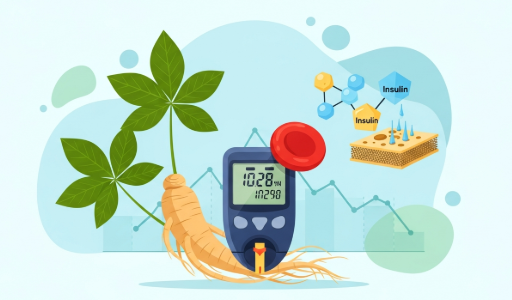
1. Improves Insulin Sensitivity
Research shows that ginseng may help cells respond better to insulin. When insulin sensitivity improves, the body can manage blood sugar more effectively.
How it works:
- Activates AMPK, a metabolic enzyme involved in glucose uptake
- Reduces oxidative stress
- Supports β-cell function in the pancreas
A study from the Journal of Medicinal Food found that Panax ginseng increased insulin sensitivity in adults with impaired glucose tolerance.
2. Helps Regulate Post-Meal Blood Sugar Spikes
Post-prandial (after eating) glucose spikes play an important role in diabetes risk. Ginseng can help reduce these spikes by slowing carbohydrate absorption and enhancing glucose metabolism.
Research on American ginseng (Panax quinquefolius) suggests it may reduce post-meal blood sugar by up to 20%.
3. Supports Anti-Inflammatory Activity
Chronic inflammation contributes to insulin resistance. Ginseng’s antioxidant properties may reduce inflammatory markers, which helps keep blood sugar more stable.
Best Types of Ginseng for Diabetes Management
Not all ginseng varieties offer the same benefits. Based on published research:
1. Korean Red Ginseng (Panax ginseng)
- Fermentation increases the bioavailability of ginsenosides
- May help improve fasting blood glucose
- Often used in long-term diabetes studies
2. American Ginseng (Panax quinquefolius)
- Particularly effective for reducing post-meal glucose spikes
- High in Rb1 ginsenoside
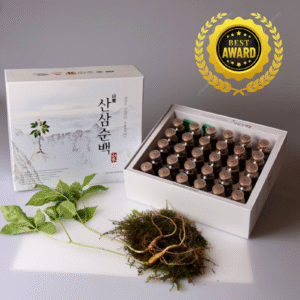
3. Wild Ginseng (Panax ginseng)
- Rare and potent
- Used mostly in traditional medicine
How to Use Ginseng Safely for Diabetes Support
Ginseng comes in many forms. Choosing a safe and effective option is important.
Common Forms:
- Capsules
- Extract powders
- Liquid tonics
- Teas
- Concentrated roots
General Usage Tips:
- Start with low doses
- Choose standardized extracts (2–3% ginsenosides)
- Look for third-party testing (USP, NSF, or GMP-certified products)
- Monitor blood sugar daily when adding new supplements
⚠️ Important: Ginseng may interact with diabetes medications and increase the risk of hypoglycemia. Always consult your healthcare provider before using supplements.
Evidence and Research Behind Ginseng for Diabetes Management
Here are reputable studies and institutional sources supporting ginseng research:
- NIH / National Center for Complementary and Integrative Health (NCCIH) – overview of ginseng benefits
https://www.nccih.nih.gov - PubMed: Ginsenosides and glucose metabolism
https://pubmed.ncbi.nlm.nih.gov - Journal of Ginseng Research – clinical data on antidiabetic effects
https://www.sciencedirect.com/journal/journal-of-ginseng-research - World Health Organization (WHO) monographs on medicinal plants
These links are for reference purposes, not promotions.
Ginseng vs. Other Herbal Supports for Diabetes
Ginseng Compared to Cinnamon
| Feature | Ginseng | Cinnamon |
|---|---|---|
| Improves insulin sensitivity | ✔ | ✔ |
| Strong antioxidant effects | ✔ | Moderate |
| Backed by clinical trials | ✔ | Limited |
| Safe for long-term use | Generally | Dose-dependent |
Ginseng Compared to Berberine
- Berberine acts similarly to metformin
- Ginseng provides milder, supportive effects
- Ginseng is often better tolerated long-term
Who Should Avoid Ginseng?
Even natural herbs can cause side effects.
Avoid ginseng if you:
- Are pregnant or breastfeeding
- Take blood thinners
- Have uncontrolled hypertension
- Take blood-sugar-lowering medications without monitoring
Conclusion: Can Ginseng Support Diabetes Management?
Ginseng offers measurable benefits for metabolic health. Evidence shows it may help improve insulin sensitivity, regulate post-meal blood sugar, and reduce inflammation. Although promising, ginseng for diabetes management should be used as a complementary tool—not a replacement for prescribed treatment.
For best results, consult a healthcare professional and choose high-quality, tested products.
FAQ (Schema-Friendly)
1. Is ginseng safe for people with diabetes?
Ginseng is generally safe when used appropriately, but it may interact with medications. Always consult a doctor.
2. Which type of ginseng is best for blood sugar control?
Korean red ginseng and American ginseng have the strongest research support.
3. How long does ginseng take to work?
Some people see small improvements within weeks. Most studies observe benefits after 8–12 weeks.
4. Can ginseng replace diabetes medication?
No. Ginseng only offers supportive benefits and should not replace medical treatment.
5. Does ginseng cause low blood sugar?
It can potentially lower glucose levels, especially when combined with medication. Monitor regularly.
🇰🇷 Premium Korean Ginseng Online Shop