Ginseng has been used for centuries as a trusted herbal remedy. Today, modern research supports many of its traditional uses. If you want to support your health naturally, ginseng for overall wellness can be a valuable addition to your routine. This article explores its benefits, safety, dosage considerations, and how it fits into evidence-based wellness practices.
What Is Ginseng and Why Is It Important for Wellness?
Ginseng refers to several species of slow-growing plants with thick, medicinal roots. The two most studied types are:
- Panax ginseng (Korean/Asian ginseng)
- Panax quinquefolius (American ginseng)
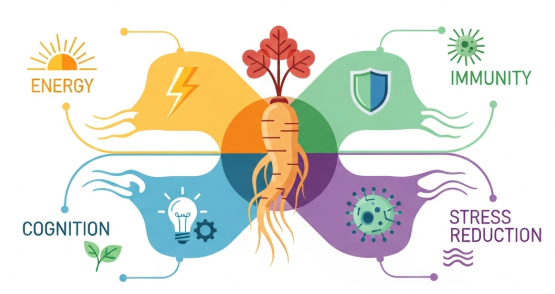
Both contain ginsenosides, powerful bioactive compounds known for their adaptogenic effects. Scientific reviews published on PubMed, the National Institutes of Health (NIH) database, show that ginseng may support energy, immunity, metabolism, and stress resilience. Because it acts as an adaptogen, many experts consider it helpful for overall wellness, especially when used consistently.
How Ginseng Supports Overall Wellness
1. Boosts Natural Energy Levels
Ginseng may improve physical vitality and reduce fatigue. Research from the Journal of Ginseng Research suggests that ginsenosides enhance energy production in the cells.
Regular supplementation may help individuals who experience:
- Daily tiredness
- Low motivation
- Reduced productivity
Unlike stimulants, ginseng supports a natural and balanced energy response.
2. Supports Cognitive Function and Mental Clarity
Cognitive health is a core component of wellness. Studies in Human Psychopharmacology have shown that ginseng can improve:
- Memory
- Focus
- Processing speed
These effects make it appealing for students, busy professionals, and older adults.
3. Enhances Immune System Strength
Your immune system helps protect your body from illness. A review by the NCCIH (National Center for Complementary and Integrative Health) suggests that ginseng may:
- Enhance immune cell activity
- Increase resistance to infection
- Improve overall immune response
Consistent use supports long-term wellness and resilience.
4. Helps Reduce Stress and Improve Mood
Adaptogens help the body maintain balance during stress. Research indicates that ginseng may regulate the hypothalamic–pituitary–adrenal (HPA) axis, the system responsible for stress hormones.
Potential benefits include:
- Better emotional balance
- Reduced stress-related fatigue
- Improved overall mood
5. Supports Healthy Inflammation Levels
Ginseng exhibits anti-inflammatory effects, supported by findings in the Journal of Translational Medicine. These benefits may support:
- Muscle recovery
- Joint comfort
- Overall metabolic wellness
Because chronic inflammation affects many aspects of health, ginseng’s anti-inflammatory actions play a key role in wellness maintenance.
Ginseng for Overall Wellness: Who Can Benefit the Most?
Ginseng is widely used to support:
People with Busy Lifestyles
Professionals with high mental and physical demands may benefit from increased energy and focus.
Older Adults
As we age, cognitive support and immune function become more important.
Students
Mental clarity and improved concentration can enhance learning and productivity.
Individuals Recovering from Fatigue
Those who experience non-clinical fatigue may appreciate gentle, natural support.
However, ginseng is not a replacement for medical diagnosis or treatment.
How to Use Ginseng Safely
Recommended Forms
Ginseng comes in many forms, including:
- Capsules
- Powders
- Liquid extracts
- Teas
- Sliced roots
Choose standardized products verified by third-party testing organizations such as USP or ConsumerLab.
Dosage Guidelines
Most studies recommend:
- 200–400 mg standardized Panax ginseng extract daily
- Or 1–2 grams dried root daily
Start with a lower dose, then adjust gradually. Always follow manufacturer instructions.
Safety Considerations
Ginseng is generally safe but may cause mild effects in some individuals, such as:
- Insomnia
- Digestive discomfort
- Headache
Avoid using ginseng with:
- Blood-thinning medications (e.g., warfarin)
- Diabetes medications (unless supervised)
- High caffeine intake
Pregnant or breastfeeding individuals should consult a healthcare professional before using it.
Medical Disclaimer:
This content is for educational purposes and does not replace professional medical advice. Always consult a qualified healthcare provider before adding new supplements to your routine.
Scientific Evidence Supporting Ginseng
Several credible institutions and peer-reviewed studies support ginseng’s benefits:
- National Institutes of Health (NIH) — overview of ginseng research
- PubMed Research Database — clinical trials on cognitive and immune benefits
- World Health Organization (WHO) monographs on medicinal plants
- Journal of Ginseng Research — numerous human studies
These sources confirm that ginseng has measurable biological effects, making it one of the most researched herbal supplements today.
Ginseng vs. Other Adaptogens
| Benefit | Ginseng | Ashwagandha | Rhodiola Rosea |
|---|---|---|---|
| Energy support | Strong | Moderate | Strong |
| Stress reduction | Good | Excellent | Good |
| Immune support | Strong | Fair | Fair |
| Cognitive support | Strong | Fair | Strong |
Ginseng remains the most versatile adaptogen for overall wellness, with balanced benefits across multiple systems.
How to Choose High-Quality Ginseng
Look for products that mention:
- “Standardized ginsenosides”
- Country of origin (Korea is considered premium)
- Independent laboratory testing
- Clear dosage information
Many premium Korean ginseng products are cultivated using traditional farming methods for superior potency.
Conclusion: Why Ginseng for Overall Wellness Is Worth Considering
Ginseng offers broad wellness benefits, supported by modern clinical research and centuries of traditional use. It may help improve energy, immunity, focus, mood, and resilience. When used safely and consistently, it can play an important role in your daily health routine.
However, it should complement—not replace—professional medical care. Always consult a healthcare provider if you have existing health conditions or take medication.
FAQ (Schema-Friendly)
1. Is ginseng safe for daily use?
Yes, most people can take ginseng daily for short-term use. Consult a professional for long-term use.
2. How long does ginseng take to work?
Many people notice benefits within 1–2 weeks, especially for energy and focus.
3. Can I take ginseng with coffee?
It is possible, but combining both may increase stimulation. Start slowly.
4. Which type of ginseng is best for wellness?
Korean red ginseng is highly valued due to its rich ginsenoside content.
5. Can ginseng improve mood and stress response?
Yes, ginseng’s adaptogenic properties help the body manage stress more effectively.
🇰🇷 Premium Korean Ginseng Online Shop