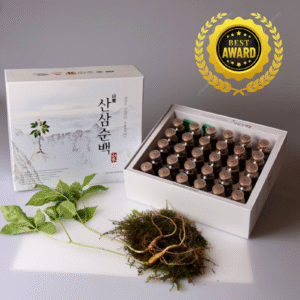
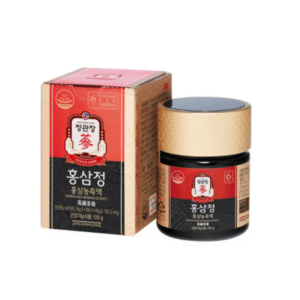
Digestive wellness supports energy, nutrient absorption, and overall health. Many people look for natural options to soothe discomfort and support gut function. One traditional herb gaining renewed interest is ginseng for improving digestive health. Research suggests that ginseng may influence digestion through its antioxidant activity, microbiome support, and anti-inflammatory effects. This article explores how ginseng works, what science says, and how to use it safely.
Medical Disclaimer:
This article provides general health information. It is not a substitute for professional medical advice, diagnosis, or treatment. Always consult a licensed healthcare provider before using herbal supplements.
How Ginseng Supports the Digestive System
Ginseng contains active compounds called ginsenosides, which may influence several digestive processes. Many studies are published on PubMed, NIH, and other scientific platforms, showing ginseng’s potential effects on inflammation, gut motility, and microbial balance.
1. Reduces Digestive Inflammation
Chronic inflammation in the digestive tract may contribute to conditions like gastritis and bloating. Several studies suggest that ginsenosides may help regulate inflammatory cytokines.
For example, research published in the Journal of Ginseng Research shows that ginseng extracts help reduce oxidative stress and inflammatory markers in gastrointestinal tissues.
2. Supports Beneficial Gut Microbiota
The gut microbiome plays a major role in digestion and immune health. Some research indicates that ginseng may act as a prebiotic, encouraging beneficial bacterial growth.
A study from the National Center for Biotechnology Information (NCBI) found that ginsenosides may be metabolized into compounds that support microbial diversity.
3. Improves Gut Motility
Balanced movement of the digestive tract helps prevent constipation or irregular bowel habits. Animal studies have observed that ginseng extracts can promote intestinal motility. While more human research is needed, early findings are promising.
4. Supports Mucosal Protection
The stomach lining protects against acid and irritation. Ginseng’s antioxidant compounds may help maintain mucosal integrity, lowering risks of discomfort caused by environmental stress or poor diet.
5. May Ease Indigestion and Bloating
Traditional Korean and Chinese medicine have used ginseng for centuries to relieve digestive discomfort. While evidence is still emerging, many users report feeling less bloated and more comfortable after regular use.
Types of Ginseng and Their Digestive Benefits
Not all ginseng varieties offer the same effects. Understanding each type helps you choose the right one.
Panax Ginseng (Korean Ginseng)
- Most studied variety for digestive health
- Rich in ginsenosides
- Known for anti-inflammatory and antioxidant effects
- Supports gastrointestinal function and immunity
Red Ginseng
- Steamed and dried form of Panax ginseng
- Contains higher levels of active compounds
- May be more effective for gut health due to enhanced absorption
American Ginseng
- Cooler “energy” profile in traditional medicine
- Effective for soothing digestive irritation
- Useful for individuals with heat-associated symptoms like heartburn
Siberian Ginseng (Eleuthero)
- Not a true ginseng but offers adaptogenic benefits
- Indirectly supports digestion by reducing stress, which affects gut motility
Benefits of Using Ginseng for Improving Digestive Health
Below is a summary of evidence-based advantages:
Key Benefits
- Supports healthy microbiome balance
- Helps reduce inflammatory digestive markers
- Promotes smoother gut motility
- Protects stomach lining from oxidative stress
- Assists nutrient absorption
- May reduce bloating and general discomfort
Who May Benefit
- Individuals with mild indigestion
- Those experiencing irregular bowel habits
- People who want natural inflammation support
- Individuals with digestive discomfort related to stress
Who Should Avoid It
- Pregnant or breastfeeding women
- Individuals taking blood thinners
- People with autoimmune conditions (consult your doctor first)
How to Use Ginseng Safely for Digestive Health
Recommended Forms
- Capsules or tablets
- Liquid extract
- Tea or infusion
- Powder mixed with warm water
Suggested Dosage
General guidelines only—confirm with a healthcare professional.
- Panax ginseng extract: 200–400 mg daily
- Red ginseng: 1–2 grams daily
- Tea: 1–2 cups daily
Best Time to Take It
- Morning to avoid sleep disturbances
- With food to support tolerability
Possible Side Effects
Although rare, some users may experience:
- Mild headaches
- Nervousness
- Digestive changes
- Insomnia when taken too late in the day
Ginseng vs. Other Herbs for Digestive Health
| Herb | Key Digestive Benefit | Best For |
|---|---|---|
| Ginseng | Microbiome support, inflammation reduction | Overall gut health |
| Ginger | Anti-nausea, motility support | Bloating and nausea |
| Peppermint | Smooth muscle relaxation | IBS symptoms |
| Turmeric | Anti-inflammatory effects | Chronic gut inflammation |
Ginseng is unique because it provides both adaptogenic and digestive benefits, making it a holistic option for long-term gut wellness.
Science-Backed References (External Links)
You may use these authoritative sources:
- https://www.ncbi.nlm.nih.gov
- https://pubmed.ncbi.nlm.nih.gov
- https://www.who.int
- https://www.nccih.nih.gov
- https://jgr.ac.kr (Journal of Ginseng Research)
Practical Tips to Maximize Digestive Benefits
- Choose high-quality Korean or Red Ginseng
- Combine with a balanced diet rich in fiber
- Drink enough water daily
- Reduce stress, as it directly affects gut function
- Start with small doses and increase gradually
Conclusion
Using ginseng for improving digestive health is supported by both traditional practices and modern evidence. Ginseng’s active compounds help modulate inflammation, support microbiome balance, and promote better gut motility. While research continues to grow, early findings show significant potential for digestive wellness. Always consult a healthcare professional before beginning any supplement, especially if you have underlying conditions or take prescription medications.
FAQ (Schema-Friendly)
1. How does ginseng help digestion?
Ginseng may reduce inflammation, support gut microbiota, and improve digestive motility through its active ginsenosides.
2. Is ginseng safe for daily use?
Most adults tolerate it well, but professional guidance is recommended, especially for long-term use.
3. Can ginseng help with bloating?
Some studies and traditional uses suggest it may ease bloating by supporting motility and gut balance.
4. What type of ginseng is best for digestive health?
Red ginseng and Panax ginseng are the most studied varieties for gastrointestinal support.
5. How long does it take to see benefits?
Many users report improvements within 2–4 weeks, but results vary by individual.
🇰🇷 Premium Korean Ginseng Online Shop