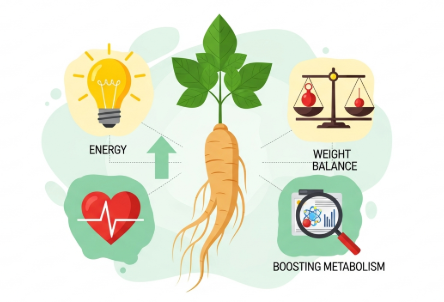
Many people look for natural ways to support weight balance and energy levels. Among herbal remedies, ginseng for boosting metabolism naturally has become a popular choice. For centuries, ginseng has been used in traditional Korean, Chinese, and herbal medicine. Today, modern research continues to explore its metabolic and health-supporting potential.
This article explains the science behind ginseng, how it may support metabolism, recommended forms, safety considerations, and practical ways to add it to your routine. Information comes from trusted sources, including PubMed, NIH, and peer-reviewed journals.
Disclaimer: This information is for educational purposes only and not a substitute for professional medical advice. Always consult a healthcare provider before starting supplements.
What Is Ginseng?
Ginseng is a medicinal herb known for its adaptogenic properties. The two most studied types are:
- Panax ginseng (Korean or Asian ginseng)
- Panax quinquefolius (American ginseng)
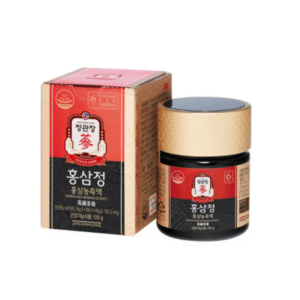
Korean Red Ginseng is often preferred for metabolism and energy support because it contains higher ginsenoside levels. According to research published in the Journal of Ginseng Research, ginsenosides may influence energy metabolism, glucose regulation, and cellular performance.
How Ginseng May Support Metabolism
Scientific research suggests several ways ginseng may influence metabolic function:
1. Supports Energy Production at the Cellular Level
Ginsenosides may improve mitochondrial function—the part of the cell responsible for energy production. A study published on PubMed.gov found that ginseng improved cellular ATP production and reduced fatigue markers in participants.
2. Helps Support Blood Sugar Balance
Balanced blood sugar levels play an important role in metabolism. Research from the National Institutes of Health (NIH) suggests that ginseng may support insulin sensitivity and glucose metabolism, which may assist metabolic wellness.
3. May Support Fat Oxidation
Some studies indicate that ginseng may support fat metabolism by encouraging lipolysis (fat breakdown). This effect may be mild and supportive rather than dramatic, which helps maintain safe expectations.
4. Reduces Stress Impact on Metabolism
Chronic stress can slow metabolism. Since ginseng is considered an adaptogen, it may help support a balanced stress response, which may indirectly support metabolic function.
Benefits of Using Ginseng for Boosting Metabolism Naturally
People use ginseng for several wellness reasons. Potential benefits may include:
- Increased mental and physical energy
- Support for metabolic balance
- Improved stamina and exercise performance
- Support for immune health
- Support for healthy aging
Always remember: supplements work differently for everyone, and results may vary.
Best Ways to Take Ginseng
You can find ginseng in different forms:
| Form | Example Usage | Notes |
|---|---|---|
| Capsules | Once daily with water | Easy and consistent dosage |
| Powder | Mixed into smoothies or warm drinks | Flexible for recipes |
| Liquid extracts | Drops under tongue or in water | Faster absorption |
| Tea | Warm herbal infusion | Relaxing, slower absorption |
| Whole root | Cooked or boiled | Traditional preparation |
Choose a high-quality product that is tested for purity. Reputable suppliers often provide certificates of analysis.
How to Use Ginseng for Best Results
To support metabolism and energy, many people use ginseng in the morning. Combining it with healthy habits may improve results:
- Balanced meals with proteins and fiber
- Consistent exercise
- Enough water
- Quality sleep
Using ginseng for boosting metabolism naturally works best when combined with a healthy lifestyle.
Who Should Avoid Ginseng?
Ginseng may not be suitable for everyone. Avoid or speak to a doctor if you:
- Take blood thinners
- Take diabetes medication
- Are pregnant or breastfeeding
- Have uncontrolled high blood pressure
- Have an autoimmune condition
Always seek guidance from a qualified professional.
Possible Side Effects
Most people tolerate ginseng well. However, some may experience:
- Trouble sleeping
- Digestive upset
- Mild headache
- Increased heart rate
Starting with a low dose may reduce unwanted reactions.
Scientific Resources and Further Reading
Suggested credible sources:
- National Institutes of Health (NIH)
- PubMed Research Database
- Journal of Ginseng Research
- World Health Organization (WHO) Traditional Medicine Publications
These organizations provide reliable peer-reviewed information.
Conclusion
Using ginseng for boosting metabolism naturally may be a supportive way to improve energy, metabolic balance, and overall wellness. While research continues to grow, many studies already show promising potential. Ginseng is safest and most effective when used responsibly and combined with healthy lifestyle habits.
Always consult a healthcare provider before starting any herbal supplement — especially if you have a medical condition or take medications.
FAQ (Schema-Friendly)
Q1. How long does ginseng take to work?
Most people notice changes after 2–4 weeks of consistent use.
Q2. Can ginseng replace exercise or diet changes?
No. Ginseng supports metabolism but does not replace healthy habits.
Q3. Is Korean ginseng better than American ginseng?
Korean ginseng is typically stronger and more stimulating, while American ginseng is cooling and calming.
Q4. Can I take ginseng every day?
Many people do, but it’s best to discuss dosing with your healthcare provider.
Q5. Does ginseng help with weight loss?
It may support metabolic balance, energy, and motivation, but results vary and are not guaranteed.
🇰🇷 Premium Korean Ginseng Online Shop