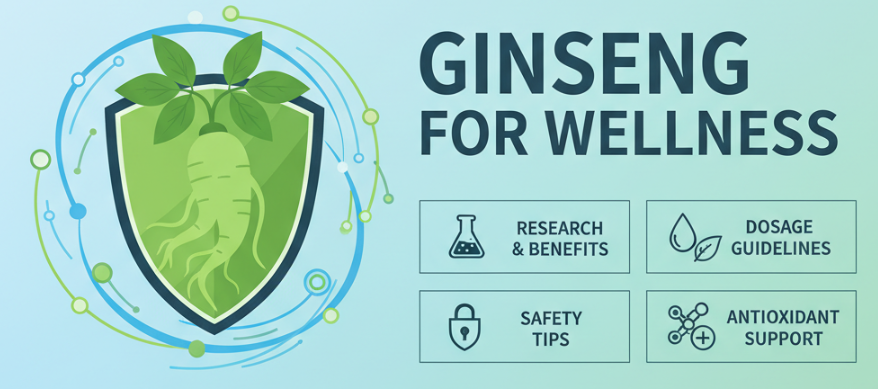
Oxidative stress contributes to premature aging, inflammation, and chronic illness. Because of increasing lifestyle pressure, many people are searching for natural antioxidants. Therefore, ginseng for reducing oxidative stress has gained attention due to its bioactive compounds that may protect cells from free radical damage.
What Is Oxidative Stress?
Oxidative stress happens when the body produces more free radicals than it can neutralize. In other words, antioxidants are outnumbered. This imbalance may increase cellular damage and inflammation over time.
Free radicals increase due to several factors, including:
- Chronic psychological stress
- Air pollution or environmental toxins
- Smoking and alcohol
- Poor diet with low antioxidant intake
- UV radiation
- Ongoing inflammation or infection
According to the National Institute of Health (NIH), oxidative stress is associated with aging, cardiovascular disease, diabetes, and neurodegenerative conditions. Consequently, supporting antioxidant defense is essential for long-term health.
How Ginseng Supports Cellular Protection
Many people now use ginseng for reducing oxidative stress because it contains powerful antioxidant compounds known as ginsenosides. These compounds interact with multiple biological pathways and may help enhance cellular protection.
Research suggests that ginseng may:
- Increase natural antioxidants (such as glutathione and superoxide dismutase)
- Reduce lipid peroxidation and DNA damage
- Protect mitochondrial energy production
- Lower inflammation triggered by oxidative imbalance
As a result, ginseng may support both cellular function and overall vitality.
Scientific Evidence Supporting Ginseng
Researchers have explored ginseng’s antioxidant potential extensively. Several high-quality studies show promising effects.
📌 Highlighted Scientific Findings:
| Source | Research Summary |
|---|---|
| Journal of Ginseng Research | Ginsenosides helped reduce oxidative damage and improved natural antioxidant enzymes. |
| PubMed Review | Ginseng demonstrated strong free-radical–scavenging activity and mitochondrial protection. |
| NIH-supported studies | Ginseng may support healthy aging and protect against oxidative-stress–linked cellular decline. |
Although the evidence is strong, researchers still recommend using ginseng as a supportive measure—not a replacement for professional medical treatment.
Types of Ginseng and Their Antioxidant Levels
Not all ginseng varieties provide the same benefits. Therefore, choosing the right type is important.
| Type | Antioxidant Potential | Notes |
|---|---|---|
| Korean Red Ginseng | ⭐⭐⭐⭐⭐ | Highly concentrated ginsenosides |
| American Ginseng | ⭐⭐⭐⭐ | Mild and calming effects |
| Siberian Ginseng (Eleuthero) | ⭐⭐⭐ | Adaptogen but not a true ginseng |
Because Korean red ginseng contains the highest ginsenoside concentration, it is often the best choice for antioxidant support.
How to Use Ginseng Safely
You can consume ginseng in various forms. For example:
- Capsules or tablets
- Standardized liquid extract
- Tea or tonic
- Powder
- Ginseng honey paste
Recommended Safe Dosage
Most research suggests:
👉 200–400 mg per day of standardized extract
However, dosage may vary depending on age, lifestyle, and health condition.
Who Should Avoid or Use Caution?
Although ginseng is beneficial, some people should use it carefully. For example:
- Pregnant or breastfeeding women
- People taking blood thinners or diabetes medication
- Individuals with hormone-sensitive conditions
- Those sensitive to stimulants
Common side effects may include headache, digestive changes, or sleep disruption. Fortunately, these effects are usually mild.
Lifestyle Habits to Combine With Ginseng
Ginseng works best when combined with healthy habits. Therefore, consider adding:
- A diet rich in vegetables, berries, and healthy fats
- Regular physical activity
- Daily hydration
- Stress-reducing practices such as meditation
- Limiting alcohol, sugar, and smoking
Together, these strategies strengthen the antioxidant defense system more effectively than supplements alone.
Conclusion
Using ginseng for reducing oxidative stress may help protect cells, support immunity, and promote long-term wellness. Because research shows positive effects on antioxidant activity and inflammation balance, ginseng can be a valuable addition to a healthy lifestyle. However, it is still important to choose high-quality products and follow safe dosage guidelines.
Disclaimer: This content is for educational purposes only. It is not medical advice. Always consult a licensed healthcare professional before using supplements, especially if you have a medical condition or take medication.
FAQ (Schema-Friendly)
1. How long does ginseng take to work?
You may feel energy benefits within 1–2 weeks, while antioxidant effects may take 4–8 weeks.
2. Can I take ginseng every day?
Yes, daily use is common; however, follow dosage instructions and speak with a healthcare provider if unsure.
3. Which ginseng type is best for antioxidants?
Korean red ginseng is the most researched and usually the most potent.
4. Can ginseng be taken with vitamins?
Yes, although it is best to check with a health professional if taking medication.
🇰🇷 Premium Korean Ginseng Online Shop