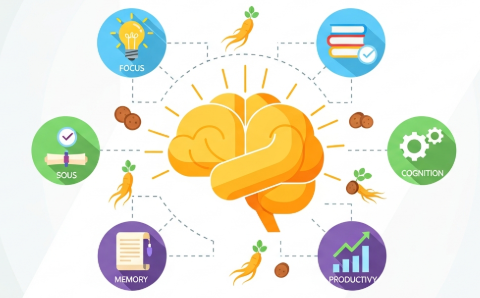
In today’s fast-moving world, many people struggle to stay mentally sharp. Work pressure, digital distractions, and lack of sleep can all reduce mental performance. Because of this, interest in natural herbal solutions continues to grow. Research suggests that ginseng benefits for mental clarity and focus due to its unique bioactive compounds called ginsenosides. These compounds may help support neurotransmitters, improve blood flow, and reduce stress—factors strongly connected to cognitive function.
Disclaimer: This article is for educational purposes only. It does not replace medical advice. Always consult a healthcare professional before starting supplements.
What Makes Ginseng a Unique Herbal Supplement?
For more than 2,000 years, ginseng has been used in traditional Korean and Chinese medicine. Today, it is gaining global recognition because modern research increasingly supports its potential brain benefits. Although several species exist, Korean Red Ginseng remains the most studied and widely used.
The main types of ginseng include:
- Korean Red Ginseng (Panax ginseng)
- American Ginseng (Panax quinquefolius)
- Fermented Ginseng
- Siberian Ginseng (not a true ginseng plant physiologically)
Although all types may offer health benefits, Korean Red Ginseng is particularly valued because it contains higher concentrations of active compounds.
Ginseng Benefits for Mental Clarity and Focus
Scientific evidence continues to evolve; however, existing research shows promising potential cognitive effects. Because of this, many people use ginseng as a natural support for studying, working, creative thinking, and productivity.
1. Improves Concentration and Cognitive Speed
Difficulty focusing can make simple tasks feel overwhelming. Fortunately, studies published on PubMed.gov indicate that ginseng may improve concentration, mental processing speed, and sustained attention. As a result, individuals may experience improved productivity and reduced brain fog.
2. Helps Reduce Mental Fatigue
Mental fatigue can occur due to stress, lack of sleep, or intense cognitive effort. Interestingly, clinical studies discussed by the National Institutes of Health (NIH) show that participants taking ginseng reported better alertness and improved energy. Therefore, ginseng may be especially helpful during mentally demanding work or learning sessions.
3. Supports Working Memory and Recall
Memory is essential for decision-making, learning, and problem-solving. Additionally, ginseng’s antioxidant properties may help protect brain cells from oxidative stress. Although more long-term clinical trials are needed, existing research suggests promising potential.
4. Helps the Body Respond to Stress
Chronic stress can negatively affect concentration, mood, and intellectual performance. Since ginseng is classified as an adaptogen, it may help regulate stress hormones and support emotional stability. Consequently, reduced stress may indirectly improve mental clarity.
5. May Protect Long-Term Brain Health
Aging naturally affects memory, focus, and cognition. However, antioxidants found in ginseng may help protect brain cells from damage. Although scientists continue studying this area, early findings suggest that ginseng may support long-term neurological health.
How to Use Ginseng Effectively
While benefits are possible, consistency is key. Most individuals take ginseng in the morning or early afternoon because it may increase alertness, and taking it late may disrupt sleep.
Common convenient forms include:
- Capsules
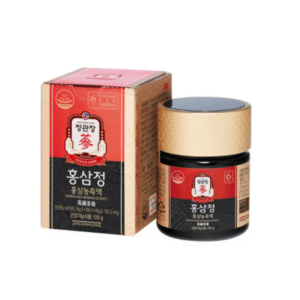
- Liquid extracts
- Powder
- Ginseng tea
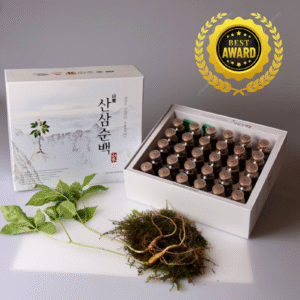
- Fermented Korean Red Ginseng concentrate
Suggested General Dosage Guidelines
| Type of Product | Suggested Daily Intake |
|---|---|
| Korean Red Ginseng Extract | 200–400 mg |
| Fermented Ginseng | 100–200 mg |
| Tea or Brewed Ginseng | 1–2 servings daily |
Since dosage varies based on health needs and product type, consult a professional before use.
Safety, Interactions, and Side Effects
Although ginseng is generally safe for healthy adults, some users may experience:
- Stomach discomfort
- Mild headaches
- Difficulty sleeping
Moreover, individuals who take blood thinners, diabetes medications, stimulants, or blood pressure treatments should speak to a healthcare provider before taking ginseng. Additionally, pregnant or breastfeeding women should approach supplementation cautiously.
Tips to Maximize Cognitive Support
To enhance results, combine ginseng with healthy habits such as:
✔ Regular exercise
✔ Omega-3–rich foods
✔ Hydration
✔ Daily mindfulness or deep-breathing exercises
✔ Quality sleep
When used consistently, these lifestyle habits may strengthen mental clarity naturally.
Conclusion
Ginseng is a well-researched herbal adaptogen that continues to gain global scientific attention. Current evidence indicates that ginseng benefits for mental clarity and focus by helping improve concentration, reducing fatigue, supporting stress resilience, and enhancing cognitive performance. Although more research is needed, many individuals report noticeable improvements when using ginseng consistently and responsibly.
FAQ
1. How soon does ginseng work?
Some people may notice effects within hours, while others need two to four weeks.
2. Can I take ginseng daily?
Yes, although periodic breaks and professional guidance are recommended.
3. Which ginseng is best for brain support?
Korean Red Ginseng is the most clinically studied for cognitive health.
4. Is it safe with medication?
It may interact with certain prescriptions, so consulting a healthcare professional is recommended.
📚 Trusted Reference Sources
- PubMed.gov
- National Institutes of Health (NIH)
- Journal of Ginseng Research
- World Health Organization (WHO) Traditional Medicine Library
🇰🇷 Premium Korean Ginseng Online Shop