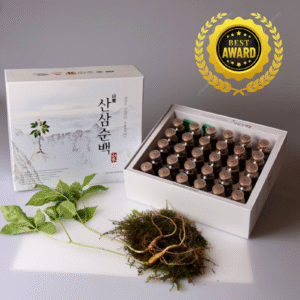
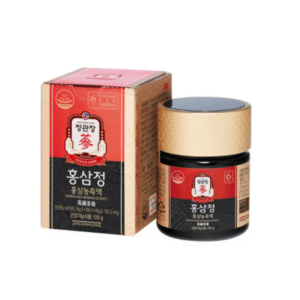
Supporting heart health is essential for long-term wellness. Today, many people explore herbal supplements to complement healthy lifestyle changes, and one promising option supported by emerging research is ginseng for improving cardiovascular health. Studies show ginseng may help regulate blood pressure, promote healthy blood flow, and support overall heart function when used properly.
What Makes Ginseng Beneficial?
Ginseng is a medicinal root widely used in Traditional Korean Medicine and Traditional Chinese Medicine for centuries. The most studied species include:
- Panax ginseng (Korean Red Ginseng)
- Panax quinquefolius (American ginseng)
- Panax notoginseng
These plants contain active compounds known as ginsenosides. According to the National Institutes of Health (NIH), ginsenosides may play a role in antioxidant defense, inflammation reduction, and vascular relaxation — three key areas related to cardiovascular function.
How Ginseng Supports Cardiovascular Function
Research suggests several potential mechanisms that make ginseng helpful for heart health.
⭐ Regulates Blood Pressure
Some clinical studies have shown Korean Red Ginseng may support blood vessel relaxation. Improved elasticity may help maintain healthy blood pressure levels, especially when paired with lifestyle changes.
⭐ Supports Healthy Cholesterol
Evidence from PubMed research suggests ginseng may help reduce LDL (“bad cholesterol”) while supporting HDL (“good cholesterol”). Maintaining balanced cholesterol is essential for preventing plaque buildup in arteries.
⭐ Enhances Circulation
Nitric oxide production may increase when consuming ginseng. Higher nitric oxide levels help widen blood vessels, improve circulation, and support oxygen delivery throughout the body.
⭐ Protects Heart Tissue
Oxidative stress contributes to long-term cardiovascular damage. The antioxidant effects of ginsenosides may help protect heart muscle from cellular stress and inflammation.
Scientific Research and Evidence
Although results vary depending on dosage and extract type, evidence supporting cardiovascular benefits is growing.
Reliable sources to explore include:
- PubMed cardiovascular ginseng studies
- American Heart Association articles
- Journal of Ginseng Research (JGR)
- NCCIH official research summaries
More large-scale human clinical trials are still needed, but early findings are promising.
How to Use Ginseng Safely
Available Forms
You can find ginseng in several forms:
- Capsules
- Powder
- Tea
- Tonic drinks
- Liquid extract
- Fermented Korean Red Ginseng (higher absorption)
Typical Dosage Guide (Not Medical Advice)
| Form | Suggested Range |
|---|---|
| Capsules | 200–600 mg daily |
| Extract/Tincture | Follow manufacturer instructions |
| Tea | 1–2 cups daily |
It’s best to start with a lower dose and gradually increase if needed.
Who Should Be Cautious?
Not everyone can safely take ginseng. Extra caution is recommended if you:
- Are pregnant or breastfeeding
- Take blood thinners (e.g., Warfarin)
- Use diabetes medication or insulin
- Have uncontrolled blood pressure
- Experience arrhythmia
- Take antidepressants
Always consult a healthcare provider before starting supplementation.
Possible Side Effects
Most people tolerate ginseng well. However, some may experience:
- Trouble sleeping
- Headache
- Nausea
- Nervousness
- Rapid heartbeat at high doses
Taking ginseng earlier in the day and using a moderate dosage may help.
Best Lifestyle Pairing for Heart Benefits
Ginseng works best when paired with positive lifestyle habits. Consider combining it with:
- Regular cardio and strength exercise
- A whole-food or Mediterranean-style diet
- Stress reduction techniques (yoga, meditation, breathing exercises)
- Consistent sleep schedule
- Routine medical checkups
These habits align with guidelines from the World Health Organization and American Heart Association.
Is Ginseng a Replacement for Heart Medication?
No. Ginseng cannot replace prescribed treatment. Instead, it may act as additional support for those already following medical guidance.
Conclusion
Using ginseng for improving cardiovascular health may support healthy circulation, balanced cholesterol, and better blood pressure control. While research is ongoing, evidence shows promising results when ginseng is used safely and responsibly. If you’re considering adding ginseng to your routine, speak with a healthcare professional to determine whether it suits your needs and existing medical care.
FAQ (Schema Friendly)
1. How long before I may notice results?
Some people notice increased energy in 2–4 weeks. Cardiovascular benefits may take 6–12 weeks.
2. Can ginseng be taken long-term?
Many experts recommend cycling: 6–12 weeks on, followed by a 1–2-week break.
3. Which type is best for cardiovascular benefits?
Fermented Korean Red Ginseng is often recommended because it contains highly absorbable ginsenosides.
4. Can I combine ginseng with coffee?
Yes, but start slowly if you are sensitive to stimulants.
Disclaimer: This content is for educational purposes only and not a substitute for personalized medical advice.
🇰🇷 Premium Korean Ginseng Online Shop