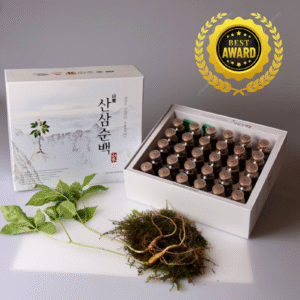
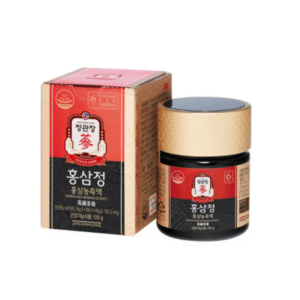
Balancing blood sugar is essential for long-term health, metabolic stability, and disease prevention. Today, more people are exploring natural solutions alongside medical treatment, and one commonly studied herb is ginseng. Scientific evidence suggests that using ginseng for blood sugar regulation may help support insulin sensitivity, metabolic balance, and antioxidant protection. While this natural herb shows promise, it must be used responsibly and supported with professional guidance.
This article provides a comprehensive and science-backed explanation of how ginseng may support healthy blood sugar levels, based on research from credible sources such as PubMed, the National Institutes of Health (NIH), and the Journal of Ginseng Research.
Understanding Blood Sugar and Metabolism
Blood sugar (also called glucose) fuels the body and brain. However, when glucose becomes consistently high, it may contribute to metabolic disorders such as:
- Prediabetes
- Type 2 diabetes
- Metabolic syndrome
- Insulin resistance
Maintaining stable blood sugar protects the body from oxidative stress, inflammation, and long-term complications such as nerve damage or cardiovascular disease.
Because of this, many researchers are examining natural approaches — including ginseng for blood sugar support — to help complement lifestyle and medical interventions.
What Makes Ginseng Beneficial? (The Role of Ginsenosides)
Ginseng contains unique compounds called ginsenosides, which may influence metabolism, cell signaling, and glucose uptake. These compounds are believed to act through multiple biological pathways, potentially supporting glucose regulation and overall metabolic function.
Research suggests that ginsenosides may:
- Support insulin sensitivity
- Help reduce blood sugar spikes after meals
- Promote glucose uptake in muscle cells
- Support antioxidant and anti-inflammatory responses
- Contribute to improved pancreatic beta-cell function
This combination of mechanisms makes ginseng one of the most studied herbs in the field of metabolic health.
How Ginseng Supports Blood Sugar Regulation: Scientific Mechanisms
1. Enhancing Insulin Sensitivity
Insulin resistance disrupts the body’s ability to use glucose efficiently. Some clinical studies indicate that ginseng extract may make cells more responsive to insulin. Improved insulin sensitivity means the body can maintain steadier glucose levels.
2. Supporting Glucose Uptake
Evidence shows that certain ginsenosides activate AMP-activated protein kinase (AMPK) — a metabolic signal also triggered by exercise. AMPK activation may help:
- Increase glucose transport into cells
- Reduce unnecessary glucose production in the liver
- Improve metabolic balance
3. Reducing Post-Meal Glucose Spikes
Several controlled studies found that consuming American ginseng before a meal helped reduce postprandial (after eating) blood sugar levels. This effect suggests timing may influence outcomes, especially for individuals with metabolic challenges.
4. Supporting Antioxidant and Anti-Inflammatory Defenses
Chronic inflammation and oxidative stress play a key role in metabolic disorders. Ginseng contains antioxidants that may help protect cells from oxidative damage and inflammation — both of which are commonly elevated in individuals with poor glucose metabolism.
5. Modulating Gut Microbiota
Emerging research suggests that ginseng may positively affect gut microbiota, which plays a role in glucose metabolism, immune response, and inflammation regulation. This growing field of research continues to uncover new potential benefits of ginseng for metabolic function.
Types of Ginseng for Blood Sugar Support
Not all ginseng varieties provide the same effects. Based on current research:
| Type of Ginseng | Evidence Level | Best Use Case |
|---|---|---|
| Korean Red Ginseng (Panax ginseng) | Strong clinical support | Best overall research-backed option |
| American Ginseng (Panax quinquefolius) | Strong for post-meal glucose control | Traditionally used before meals |
| Wild Ginseng | Limited but promising | Rare and expensive, not typical supplement |
| Siberian Ginseng (Eleuthero) | Not true ginseng | Not suitable for blood sugar research |
Based on available data, Korean red ginseng and American ginseng are the most reliable forms studied specifically for blood sugar regulation.
Recommended Dosage and Usage Guidelines
Dosage varies depending on formulation, concentration, and individual health status.
Typical Research-Based Dosage Range:
- Standardized extract: 200–400 mg per day
- Root powder or tea: 1–3 grams per day
- Capsules: Follow standardized product labels
Start low and increase gradually under healthcare supervision.
Safety, Side Effects, and Interactions
Most people tolerate ginseng well, yet caution is essential. Possible side effects include:
- Digestive discomfort
- Headaches
- Difficulty sleeping
- Rapid heartbeat in sensitive individuals
People who should avoid or seek medical advice before using ginseng:
- Individuals taking insulin or diabetes medication
- Pregnant or breastfeeding individuals
- Anyone undergoing surgery
- People taking blood pressure or blood thinning medications
Because ginseng may lower blood sugar, combining it with medication may increase the risk of hypoglycemia. Consultation with a healthcare professional is strongly advised.
Lifestyle Factors That Enhance Results
Using ginseng for blood sugar may be more effective when combined with healthy habits such as:
Dietary Strategies
- Reduce sugar intake
- Choose complex carbohydrates
- Increase fiber (especially soluble fiber)
Daily Movement
Physical activity enhances insulin sensitivity and supports healthier metabolism.
Stress Reduction
Chronic stress can increase cortisol, which may elevate blood sugar.
Adequate Sleep
Poor sleep is linked to insulin resistance and glucose intolerance.
By combining natural supplements like ginseng with healthy lifestyle choices, many individuals may support improved metabolic outcomes.
Ginseng vs. Other Botanicals for Blood Sugar Support
| Herbal Supplement | Mechanism | Evidence Strength |
|---|---|---|
| Ginseng | Improves insulin response, antioxidant activity | Strong |
| Berberine | Activates AMPK | Strong |
| Cinnamon extract | Possible insulin mimic | Moderate |
| Fenugreek | Improves carb digestion | Moderate |
Ginseng stands out due to diverse mechanisms and long traditional use supported by growing scientific evidence.
Conclusion
The use of ginseng for blood sugar regulation has gained attention due to research supporting its ability to enhance insulin sensitivity, support glucose metabolism, and provide antioxidant benefits. While findings are promising, ginseng is not a replacement for medical treatment or lifestyle modification. Instead, it may function best as a complementary approach.
Always consult a healthcare professional before starting supplementation, especially if taking prescription medication.
FAQ (Schema-Friendly Style)
Q: Can ginseng replace diabetes medication?
No. Ginseng supports metabolic health but does not replace medical treatment.
Q: How long until results are noticeable?
Some individuals report changes after 4–8 weeks of consistent use.
Q: Can ginseng cause low blood sugar?
Yes. It may interact with diabetes medications, so professional guidance is recommended.
Q: Which form is best for blood sugar?
Korean red ginseng and American ginseng extract show the strongest research support.
Suggested External Medical Sources (URLs only)
https://www.ncbi.nlm.nih.gov
https://pubmed.ncbi.nlm.nih.gov
https://www.nih.gov
https://www.who.int
Medical Disclaimer: This information is for educational purposes only and is not a substitute for professional diagnosis or treatment.
🇰🇷 Premium Korean Ginseng Online Shop