Introduction
The anti-aging benefits of ginseng for skin and wellness have attracted growing attention in both traditional herbal medicine and modern scientific research. Used for centuries in East Asian medicine, especially Korean and Chinese traditions, ginseng is valued for its ability to support vitality, resilience, and healthy aging. Today, researchers are exploring how its bioactive compounds may help protect the skin, support systemic wellness, and promote longevity when used responsibly and as part of a balanced lifestyle.
Understanding Ginseng: A Medicinal Root With a Long History
Importantly, this article provides evidence-based information, aligns with Google Health content standards, and does not replace professional medical advice. Always consult a qualified healthcare provider before starting new supplements.
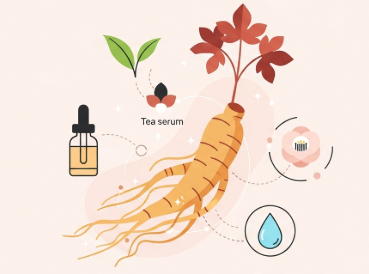
Ginseng refers primarily to plants in the Panax genus, including Panax ginseng (Korean ginseng) and Panax quinquefolius (American ginseng). The word Panax comes from Greek, meaning “all-healing,” reflecting its broad traditional use.
Key Active Compounds: Ginsenosides
Ginseng’s health effects are largely linked to ginsenosides, a group of saponins studied for their antioxidant, anti-inflammatory, and adaptogenic properties.
Research indexed by PubMed and supported by institutions such as the National Institutes of Health (NIH) shows that ginsenosides may:
- Reduce oxidative stress
- Modulate immune response
- Support cellular repair processes
These mechanisms are directly relevant to skin aging and overall wellness.
How Skin Aging Happens: A Scientific Overview
Skin aging occurs due to a combination of intrinsic and extrinsic factors.
Intrinsic Aging
This is the natural aging process influenced by genetics and time. It leads to:
- Reduced collagen production
- Slower cell turnover
- Thinner, drier skin
Extrinsic Aging
External stressors accelerate visible aging. Common contributors include:
- UV radiation
- Air pollution
- Smoking
- Chronic psychological stress
Oxidative damage plays a central role in both processes. Therefore, antioxidants are a major focus in anti-aging research.
Anti-aging Benefits of Ginseng for Skin and Wellness
1. Antioxidant Protection Against Premature Aging
One of the most studied anti-aging benefits of ginseng for skin and wellness is its antioxidant activity. Ginsenosides help neutralize free radicals that damage skin cells and accelerate wrinkles.
A review published in Journal of Ginseng Research highlights ginseng’s role in reducing oxidative stress at the cellular level.
🔗 https://www.ncbi.nlm.nih.gov/pmc/articles/PMC5452224/
As a result, regular use may support smoother, healthier-looking skin when combined with sun protection and proper skincare.
2. Supporting Collagen Synthesis and Skin Elasticity
Collagen loss is a hallmark of aging skin. Interestingly, laboratory studies suggest that Korean red ginseng may stimulate collagen production while inhibiting enzymes that break it down.
This dual action may help:
- Improve skin firmness
- Reduce the appearance of fine lines
- Maintain elasticity over time
However, human clinical studies are still evolving. Therefore, claims should remain conservative and evidence-based.
3. Anti-inflammatory Effects and Skin Barrier Health
Chronic low-grade inflammation, sometimes called inflammaging, contributes to skin aging and systemic decline. Ginseng has demonstrated anti-inflammatory properties through modulation of cytokines and immune signaling pathways.
According to research cited by WHO monographs on medicinal plants, reducing inflammation supports not only skin health but also metabolic and cardiovascular wellness.
🔗 https://www.who.int/publications/i/item/WHO-EDM-TRM-2004.1
A stronger skin barrier also means improved moisture retention and resilience.
4. Stress Regulation and Hormonal Balance
Stress accelerates aging through hormonal disruption, increased cortisol, and impaired sleep. As an adaptogen, ginseng helps the body adapt to stress rather than overstimulating it.
This indirect pathway is critical. Lower stress levels support:
- Better sleep quality
- Improved skin repair overnight
- More balanced energy levels
Thus, the anti-aging benefits of ginseng for skin and wellness extend beyond topical effects.
5. Circulation, Oxygenation, and Cellular Nutrition
Healthy blood circulation delivers oxygen and nutrients to skin cells. Ginseng has been studied for its vasodilatory effects, which may enhance microcirculation.
Improved circulation may contribute to:
- Brighter skin tone
- Faster healing
- Reduced dullness
Although not a cosmetic treatment, ginseng supports internal processes that influence external appearance.
Ginseng in Skincare vs. Oral Supplements
Topical Ginseng
Many skincare products now include ginseng extracts. Potential benefits include:
- Antioxidant defense
- Temporary skin smoothing
- Enhanced hydration
However, concentration and formulation matter. Effects may be modest.
Oral Ginseng Supplements
Oral use addresses systemic aging pathways. When standardized and used appropriately, supplements may support:
- Energy metabolism
- Immune balance
- Stress resilience
Always choose products tested for purity and consult a healthcare professional, especially if you take medications.
Safety, Dosage, and Responsible Use
While ginseng is generally considered safe for healthy adults, it is not suitable for everyone.
Safety Considerations
Avoid or use caution if you have:
- Hormone-sensitive conditions
- Autoimmune disorders
- High blood pressure not under control
Possible side effects include insomnia or digestive discomfort at high doses.
Medical Disclaimer
This content is for educational purposes only and is not a substitute for professional medical advice, diagnosis, or treatment. Always consult a licensed healthcare provider.
Evidence, Institutions, and Ongoing Research
Credible organizations continue to study ginseng, including:
- National Center for Complementary and Integrative Health (NCCIH)
🔗 https://www.nccih.nih.gov - PubMed (U.S. National Library of Medicine)
🔗 https://pubmed.ncbi.nlm.nih.gov - World Health Organization (WHO)
These institutions emphasize cautious optimism, proper dosing, and individualized care.
Conclusion
The anti-aging benefits of ginseng for skin and wellness are supported by a growing body of scientific evidence, especially regarding antioxidant defense, stress regulation, and inflammation control. While ginseng is not a miracle cure, it represents a valuable component of a holistic, evidence-based approach to healthy aging.
When combined with balanced nutrition, sun protection, quality sleep, and professional medical guidance, ginseng may help support both inner vitality and outward skin health over time.
Frequently Asked Questions (FAQ)
Is ginseng proven to reverse skin aging?
No. Ginseng may support healthy aging processes, but it does not reverse aging.
How long does it take to see skin benefits?
Effects vary. Subtle improvements may appear after several weeks of consistent use.
Can I use ginseng with other supplements?
Often yes, but interactions are possible. Consult a healthcare provider first.
Is Korean ginseng better than other types?
Korean ginseng is well-studied, but effectiveness depends on quality and individual response.
Can pregnant women use ginseng?
Generally not recommended without medical supervision.
🇰🇷 Premium Korean Ginseng Online Shop