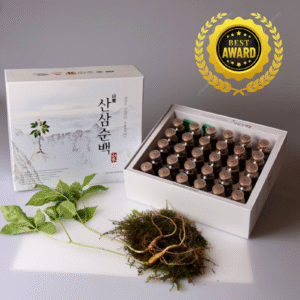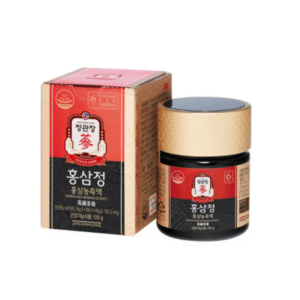
Introduction
Ginseng for stress management has gained strong attention in modern integrative medicine. Chronic stress affects hormone balance, immune health, and cognitive performance. Therefore, many people seek natural solutions supported by science. Ginseng, a traditional herbal adaptogen, has been studied for its role in helping the body adapt to stressors. Importantly, current research suggests ginseng may support stress resilience without acting as a sedative.
This article explores how ginseng works, what science says, how to use it safely, and who should avoid it.
Understanding Stress and Its Impact on the Body
Stress activates the hypothalamic–pituitary–adrenal (HPA) axis. This process releases cortisol and adrenaline. Short-term stress can be helpful. However, chronic stress increases the risk of:
- Fatigue and burnout
- Anxiety and mood imbalance
- Weakened immune response
- Poor sleep quality
- Cognitive decline
As a result, stress management strategies are essential for long-term health.
What Is Ginseng? A Medicinal Overview
Ginseng refers to plants from the Panax genus. The most studied types include:
- Panax ginseng (Korean or Asian ginseng)
- Panax quinquefolius (American ginseng)
The word Panax means “all-healing.” However, modern science evaluates its effects carefully.
Key Active Compounds
Ginseng contains ginsenosides, which influence:
- Neurotransmitter activity
- Cortisol regulation
- Inflammatory pathways
Because of these mechanisms, ginseng is classified as an adaptogen.
How Ginseng Supports Stress Management
1. Regulation of the Stress Response
Research indicates ginseng may help normalize cortisol levels. Therefore, it may reduce excessive stress responses rather than block them entirely.
A study published in Journal of Ginseng Research showed that ginseng modulated HPA axis activity in stressed adults.
Source: https://www.ncbi.nlm.nih.gov/pmc/articles/PMC5452220/
2. Support for Mental Performance Under Stress
Stress often impairs focus and memory. Several clinical studies report improved attention and mental clarity after ginseng supplementation.
Importantly, ginseng does not overstimulate the nervous system when used properly.
NIH reference:
https://www.nccih.nih.gov/health/ginseng
3. Antioxidant and Anti-Inflammatory Effects
Chronic stress increases oxidative stress. Ginseng’s antioxidant activity may help protect neurons and immune cells.
According to PubMed data, ginsenosides reduce inflammatory markers linked to psychological stress.
Source: https://pubmed.ncbi.nlm.nih.gov/31270970/
Types of Ginseng for Stress Management
Not all ginseng products act the same.
Korean Red Ginseng
- Steam-processed for higher ginsenoside content
- Traditionally used for fatigue and stress resilience
- Supported by multiple human trials
American Ginseng
- More calming profile
- Often used for mental stress and blood sugar balance
Choosing the correct type is essential for effective ginseng for stress management.
Scientific Evidence and Clinical Research
Clinical evidence supports moderate benefits, not miracle claims.
What Studies Show
- Reduced perceived stress scores
- Improved stress-related fatigue
- Better cognitive performance under pressure
What Studies Do Not Claim
- Instant stress elimination
- Replacement for therapy or medication
- Cure for anxiety disorders
WHO emphasizes herbal medicine as supportive, not curative.
WHO resource: https://www.who.int/teams/integrative-medicine
How to Use Ginseng Safely
Recommended Dosage (General Guidance)
- 200–400 mg standardized extract daily
- Use cycles (e.g., 6–8 weeks, then break)
However, dosage varies by product and health status.
Best Time to Take Ginseng
- Morning or early afternoon
- Avoid late evening use
This timing supports energy balance without sleep disruption.
Safety, Side Effects, and Who Should Avoid It
Ginseng is generally safe for healthy adults. However, caution is necessary.
Possible Side Effects
- Headache
- Digestive upset
- Sleep disturbance if overdosed
Avoid or Consult a Doctor If You Have
- Hormone-sensitive conditions
- Autoimmune disorders
- High blood pressure not controlled
- Pregnancy or breastfeeding
Always consult a healthcare professional before using ginseng.
Ginseng Compared to Other Stress-Support Herbs
| Herb | Primary Effect | Sedating |
|---|---|---|
| Ginseng | Adaptogenic balance | No |
| Ashwagandha | Cortisol reduction | Mild |
| Valerian | Sleep support | Yes |
Therefore, ginseng for stress management suits people needing focus and resilience rather than sedation.
Frequently Asked Questions (FAQ)
Is ginseng good for chronic stress?
Ginseng may support stress adaptation, but it does not replace medical care.
How long does ginseng take to work?
Most studies report benefits after 2–4 weeks of consistent use.
Can I take ginseng daily?
Yes, with cycling and professional guidance.
Does ginseng cause dependency?
No evidence suggests physical dependence when used correctly.
Conclusion
Ginseng offers evidence-based support for stress resilience, mental clarity, and physiological balance. When used responsibly, it can be a valuable part of a holistic stress-management strategy. However, it should complement—not replace—medical advice, lifestyle changes, and professional care.
Disclaimer: This article is for educational purposes only and is not a substitute for professional medical advice.
🇰🇷 Premium Korean Ginseng Online Shop