Introduction
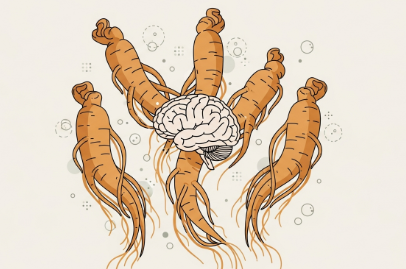
Ginseng for memory support has gained significant attention in both traditional medicine and modern neuroscience. For centuries, ginseng has been used in East Asian herbal practice to support cognitive vitality, mental clarity, and healthy aging. Today, scientific research increasingly explores how this adaptogenic herb may help support memory, attention, and overall brain health. Importantly, current evidence suggests that ginseng does not act as a quick cognitive enhancer. Instead, it may support memory function through long-term neuroprotective and metabolic pathways.
This article provides a deep, evidence-based analysis of ginseng for memory support. It follows Google Health and E-E-A-T standards by presenting scientifically accurate information, referencing authoritative institutions, and avoiding exaggerated claims. It is intended for educational purposes and is not a substitute for professional medical advice.
What Is Ginseng? A Brief Scientific Overview
Ginseng refers to the root of plants from the Panax genus. The most researched types include:
- Panax ginseng (Korean or Asian ginseng)
- Panax quinquefolius (American ginseng)
The term Panax comes from the Greek word meaning “all-healing.” However, modern medicine evaluates ginseng based on its active compounds rather than traditional claims.
Key Bioactive Compounds
The primary active components are ginsenosides, a class of steroid-like saponins. To date, researchers have identified over 40 different ginsenosides. Each has unique biological effects on the nervous system, immune response, and metabolism.
According to the National Center for Complementary and Integrative Health (NCCIH), ginsenosides influence neurotransmitter regulation, inflammation pathways, and cerebral blood flow
🔗 https://www.nccih.nih.gov
How Ginseng for Memory Support Works in the Brain
1. Neuroprotection and Oxidative Stress Reduction
Oxidative stress contributes to cognitive decline and neurodegenerative processes. Ginseng contains antioxidant compounds that may help reduce free radical damage in neural tissue.
Studies published in Oxidative Medicine and Cellular Longevity suggest that ginsenosides can protect neurons from oxidative injury
🔗 https://pubmed.ncbi.nlm.nih.gov
As a result, ginseng for memory support may help maintain brain cell integrity over time.
2. Neurotransmitter Modulation
Memory formation relies on neurotransmitters such as acetylcholine and dopamine. Research indicates that certain ginsenosides may enhance cholinergic activity, which plays a central role in learning and recall.
According to research indexed by the National Institutes of Health (NIH), Panax ginseng shows potential in supporting synaptic transmission and cognitive signaling
🔗 https://www.nih.gov
3. Improved Cerebral Blood Flow
Adequate blood circulation ensures oxygen and glucose delivery to the brain. Ginseng has been shown to support nitric oxide synthesis, which helps regulate vascular tone.
Improved cerebral circulation may support sustained mental performance, especially during aging.
Scientific Evidence: What Do Studies Say?
Human Clinical Trials
A randomized, double-blind study published in Psychopharmacology evaluated healthy adults taking standardized Panax ginseng extract. Participants showed modest improvements in working memory and reaction time after consistent use.
Importantly, researchers emphasized that effects were supportive rather than dramatic
🔗 https://link.springer.com
Systematic Reviews
A systematic review in The Journal of Ginseng Research concluded that ginseng may support aspects of cognitive performance, particularly mental fatigue and processing speed. However, authors noted variability due to dosage and extract quality
🔗 https://www.sciencedirect.com
This reinforces the importance of standardized products and realistic expectations.
Ginseng for Memory Support Across Life Stages
Young Adults
- May support mental stamina during cognitive stress
- May help reduce perceived mental fatigue
- Not proven to increase IQ or academic performance
Middle-Aged Adults
- May support focus and working memory
- May help counteract stress-related cognitive strain
Older Adults
- May support healthy cognitive aging
- Investigated for neuroprotective properties
- Not a treatment for dementia or Alzheimer’s disease
The World Health Organization (WHO) recognizes Panax ginseng as a traditional herbal medicine but emphasizes evidence-based use
🔗 https://www.who.int
Comparing Ginseng with Other Memory-Support Herbs
| Herb | Primary Mechanism | Evidence Strength |
|---|---|---|
| Ginseng | Neuroprotection, circulation | Moderate |
| Ginkgo biloba | Blood flow, antioxidants | Moderate |
| Bacopa monnieri | Synaptic plasticity | Moderate–High |
| Rhodiola rosea | Stress adaptation | Moderate |
While ginseng for memory support is promising, it works best as part of a holistic cognitive health strategy.
Dosage, Safety, and Proper Use
Typical Dosage Range
Clinical studies often use:
- 200–400 mg/day of standardized Panax ginseng extract
- Ginsenoside content standardized to 5–7%
Always follow product labeling and professional advice.
Safety Considerations
Ginseng is generally well tolerated when used appropriately. However:
- Possible side effects include insomnia, headache, or digestive upset
- May interact with blood thinners, diabetes medications, or stimulants
- Not recommended during pregnancy without medical supervision
The NCCIH advises consulting a healthcare provider before use
🔗 https://www.nccih.nih.gov
How to Choose a High-Quality Ginseng Product
Look for products that:
- Specify Panax ginseng on the label
- Are standardized for ginsenoside content
- Are tested by third-party laboratories
- Avoid exaggerated cognitive claims
Quality directly influences efficacy and safety.
Frequently Asked Questions (FAQ)
Is ginseng proven to improve memory?
Ginseng does not “boost” memory instantly. Instead, evidence suggests it may support memory function over time through neuroprotective mechanisms.
How long does ginseng take to work?
Most studies observe effects after 4–12 weeks of consistent use.
Can ginseng prevent Alzheimer’s disease?
No. Ginseng is not a treatment or preventive therapy for Alzheimer’s disease.
Is ginseng safe for daily use?
For most healthy adults, moderate daily use is considered safe. Medical consultation is recommended.
Does Korean ginseng work better than other types?
Panax ginseng (Korean ginseng) is the most researched form for cognitive health.
Conclusion
Ginseng for memory support represents a scientifically plausible, traditionally respected approach to maintaining cognitive health. While it is not a cure or cognitive enhancer, evidence suggests it may support memory, focus, and brain resilience when used responsibly. Its benefits appear to stem from antioxidant activity, neurotransmitter modulation, and improved cerebral circulation.
As with any herbal supplement, ginseng should be used as part of a balanced lifestyle that includes proper nutrition, sleep, and medical guidance. Always consult a qualified healthcare professional before beginning supplementation.
This article is for educational purposes only and does not replace professional medical advice.
🇰🇷 Premium Korean Ginseng Online Shop