Introduction
Many people living with diabetes search online for ways to stop insulin injections. This desire is understandable. Daily injections can feel exhausting, inconvenient, and emotionally heavy. However, stopping insulin is a serious medical decision. Therefore, it must be based on evidence, clinical evaluation, and professional supervision. This article explains what science really says about insulin therapy, when reduction may be possible, and why stopping insulin without guidance can be dangerous.
This content follows evidence-based medicine, global health guidelines, and Google Health standards. It does not promote unsafe claims. Instead, it helps readers understand realistic, medically supervised pathways.
Understanding Why Insulin Is Prescribed
Insulin is a life-saving hormone. The pancreas normally produces it to regulate blood glucose. In diabetes, this process fails.
Type 1 Diabetes
People with type 1 diabetes cannot produce insulin. The immune system destroys insulin-producing beta cells. As a result, insulin injections are essential for survival. There is no proven natural substitute.
According to the National Institutes of Health (NIH), stopping insulin in type 1 diabetes can lead to diabetic ketoacidosis and death.
Source: https://www.niddk.nih.gov
Type 2 Diabetes
Type 2 diabetes involves insulin resistance and progressive beta-cell dysfunction. Some people require insulin temporarily. Others may need it long term.
However, under strict medical supervision, some patients with type 2 diabetes may reduce insulin if metabolic control improves.
Can You Stop Insulin Injections Safely?
The short answer is: sometimes, but only under medical supervision.
Stopping insulin depends on several factors:
- Type of diabetes
- Duration of disease
- Remaining pancreatic function
- Lifestyle and nutrition
- Body weight and insulin sensitivity
- Medication adherence
The American Diabetes Association (ADA) clearly states that insulin should never be stopped without a physician’s approval.
Source: https://diabetes.org
Therefore, the goal is not to abruptly stop insulin injections. Instead, clinicians aim to optimize metabolic health.
Medical Risks of Stopping Insulin Without Supervision
Stopping insulin suddenly can cause serious harm.
Immediate Risks
- Severe hyperglycemia
- Diabetic ketoacidosis (DKA)
- Dehydration
- Electrolyte imbalance
Long-Term Risks
- Nerve damage
- Kidney disease
- Vision loss
- Cardiovascular complications
The World Health Organization (WHO) warns against non-medical discontinuation of insulin therapy.
Source: https://www.who.int
Because of these risks, insulin reduction must always be gradual and monitored.
Evidence-Based Ways Doctors May Reduce Insulin Use
In some type 2 diabetes cases, clinicians may reduce insulin dosage.
1. Structured Medical Nutrition Therapy
Nutrition plays a major role in insulin sensitivity.
Evidence supports:
- Balanced carbohydrate intake
- High-fiber diets
- Low glycemic index foods
- Adequate protein
According to PubMed-indexed studies, dietary intervention can reduce insulin requirements in insulin-resistant patients.
Source: https://pubmed.ncbi.nlm.nih.gov
2. Weight Management and Insulin Sensitivity
Excess adipose tissue worsens insulin resistance. Weight reduction improves glucose control.
Even a 5–10% weight reduction can lower insulin needs.
The NIH Diabetes Prevention Program confirms this benefit.
Source: https://www.niddk.nih.gov
3. Physical Activity
Regular exercise improves glucose uptake by muscles.
Recommended activities include:
- Brisk walking
- Resistance training
- Aerobic exercise
Exercise increases insulin sensitivity without increasing medication risk.
Herbal Medicine: What Science Actually Supports
Many people explore herbal options hoping to stop insulin injections. However, herbs are supportive, not replacements.
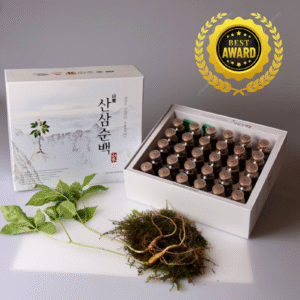
Korean Ginseng (Panax ginseng)
Korean ginseng has been studied for metabolic support.
Research suggests:
- Improved insulin sensitivity
- Antioxidant effects
- Support for glucose metabolism
A systematic review in Journal of Ginseng Research reported modest benefits in glycemic control.
Source: https://www.ncbi.nlm.nih.gov/pmc/articles/PMC5452228/
However, no herbal medicine can replace insulin in insulin-dependent diabetes.
Other Studied Botanicals
Evidence-supported herbs include:
- Berberine
- Cinnamon (Cinnamomum verum)
- Fenugreek
These may support glucose regulation. Still, they do not eliminate insulin needs.
Always consult a healthcare professional before using herbal supplements.
Why “Stopping Insulin” Is Often a Misleading Goal
The phrase stop insulin injections can be misleading. The real medical goal is metabolic stability.
Doctors focus on:
- Lower HbA1c levels
- Reduced glucose variability
- Improved insulin sensitivity
In many cases, insulin is not the problem. It is the solution.
Doctor-Guided Transition Plans
If insulin reduction is possible, physicians follow a protocol.
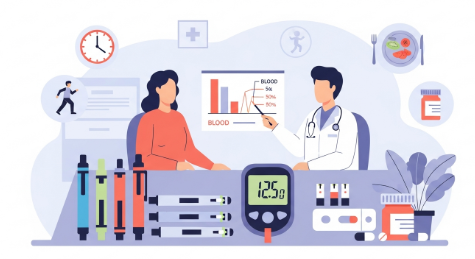
Typical Medical Steps
- Frequent blood glucose monitoring
- Gradual dose reduction
- Medication adjustments
- Nutritional counseling
- Lab testing (HbA1c, C-peptide)
This process may take months. It requires patience and compliance.
Psychological and Emotional Aspects
Living with insulin therapy can feel overwhelming. Emotional fatigue is real.
Support strategies include:
- Diabetes education programs
- Counseling
- Peer support groups
Mental health is an essential part of diabetes care.
Conclusion
Wanting to stop insulin injections is understandable. However, insulin is a critical medical therapy. For type 1 diabetes, stopping insulin is not safe. For some type 2 patients, insulin reduction may be possible, but only under medical supervision.
Evidence-based lifestyle changes, medical nutrition therapy, and supportive herbal medicine may improve metabolic health. Yet, they do not replace insulin. Always consult a qualified healthcare professional before making treatment changes.
Frequently Asked Questions (FAQ)
Can herbal medicine replace insulin?
No. Herbs may support glucose control but cannot replace insulin therapy.
Is it dangerous to stop insulin suddenly?
Yes. Sudden discontinuation can cause life-threatening complications.
Can type 2 diabetes be managed without insulin?
In some cases, yes. This depends on disease stage and medical supervision.
Should I talk to my doctor before reducing insulin?
Absolutely. Never adjust insulin without professional guidance.
Medical Disclaimer
This article is for educational purposes only. It does not replace professional medical advice, diagnosis, or treatment. Always consult your healthcare provider.
🇰🇷 Premium Korean Ginseng Online Shop