Introduction
Ginseng for diabetes support has gained attention as people look for natural ways to complement conventional diabetes care. Diabetes mellitus is a complex metabolic condition. It involves impaired insulin function, chronic inflammation, and oxidative stress. Because of this complexity, no single herb can replace medical treatment. However, research suggests that certain herbal medicines, including ginseng, may provide supportive benefits when used responsibly.
Ginseng has a long history in traditional Asian medicine. Today, it is also studied in modern clinical research. This article explains how ginseng may support diabetes management, what science says, and how to use it safely. The goal is to provide balanced, evidence-based information that respects medical guidelines and patient safety.
Understanding Diabetes and Blood Sugar Regulation
Diabetes is characterized by elevated blood glucose levels. Over time, high blood sugar can damage blood vessels, nerves, kidneys, and eyes. The two most common forms are:
- Type 1 diabetes, caused by autoimmune destruction of insulin-producing cells
- Type 2 diabetes, driven by insulin resistance and impaired insulin secretion
In type 2 diabetes, lifestyle factors play a major role. Diet, physical activity, and weight management remain the foundation of care. Herbal support, therefore, should be viewed as complementary, not curative.
Blood sugar regulation depends on several processes:
- Insulin secretion from the pancreas
- Insulin sensitivity in muscle and fat tissue
- Glucose absorption in the gut
- Glucose production in the liver
Because ginseng may influence some of these pathways, researchers have explored its potential supportive role.
What Is Ginseng? Types and Active Compounds
Ginseng refers to plants from the Panax genus. The most studied types include:
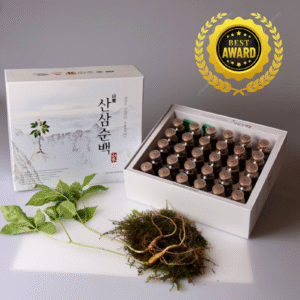
- Panax ginseng (Korean or Asian ginseng)
- Panax quinquefolius (American ginseng)
The main bioactive compounds in ginseng are called ginsenosides. These compounds have been studied for their effects on metabolism, inflammation, and oxidative stress.
Importantly, different ginseng species and preparations contain varying ginsenoside profiles. As a result, their effects may differ. This variation explains why study results are sometimes inconsistent.
Ginseng for Diabetes Support: What Science Says
Effects on Blood Glucose Levels
Several clinical and laboratory studies suggest that ginseng may modestly lower fasting blood glucose and post-meal glucose levels. According to research published in PubMed, American ginseng has shown potential in reducing postprandial glucose in people with type 2 diabetes.
Researchers believe ginseng may help by:
- Improving insulin sensitivity
- Slowing carbohydrate absorption
- Enhancing glucose uptake in cells
However, these effects are usually mild. They do not replace prescribed diabetes medications.
Impact on Insulin Sensitivity
Insulin resistance is a core problem in type 2 diabetes. Some studies indicate that ginsenosides may activate pathways involved in glucose transport. For example, activation of AMP-activated protein kinase (AMPK) may improve cellular glucose uptake.
Because of this, ginseng for diabetes support is often discussed as an adjunct to lifestyle modification. Still, results vary depending on dose, duration, and individual response.
Anti-Inflammatory and Antioxidant Effects
Chronic inflammation and oxidative stress contribute to diabetes complications. Ginseng has demonstrated antioxidant and anti-inflammatory properties in both animal and human studies.
Potential benefits include:
- Reduction of inflammatory markers
- Protection against oxidative damage
- Support for vascular health
These effects may indirectly support metabolic health. Organizations such as the National Institutes of Health (NIH) emphasize that antioxidant-rich interventions may play a supportive role in chronic disease prevention.
Nevertheless, antioxidants from whole foods remain the primary recommendation.
Safety Considerations and Possible Interactions
While ginseng is generally well tolerated, it is not risk-free. Safety is especially important for people with diabetes.
Possible Side Effects
Reported side effects may include:
- Headache
- Digestive upset
- Sleep disturbances
- Changes in blood pressure
These effects are usually mild but can become significant at high doses.
Drug Interactions
Ginseng may interact with:
- Insulin or oral hypoglycemic drugs
- Blood pressure medications
- Blood thinners
Because ginseng may lower blood sugar, combining it with diabetes medication could increase the risk of hypoglycemia. Therefore, medical supervision is essential.
The World Health Organization (WHO) and NIH recommend caution when combining herbal supplements with prescription drugs.
How to Use Ginseng Responsibly
If you are considering ginseng for diabetes support, responsible use is essential. Evidence does not support excessive dosing or long-term unsupervised use.
General Guidance
- Choose standardized products from reputable manufacturers
- Avoid exaggerated claims or “cure” language
- Monitor blood glucose regularly
- Start with low doses
Forms of ginseng include capsules, powders, teas, and extracts. Each form differs in concentration and bioavailability.
Who Should Avoid Ginseng?
Ginseng may not be suitable for:
- Pregnant or breastfeeding individuals
- People with hormone-sensitive conditions
- Those with unstable blood sugar control
Always consult a qualified healthcare professional before starting any herbal supplement.
Comparing Ginseng With Other Herbal Supports
Several herbs are studied for metabolic health. These include cinnamon, bitter melon, and fenugreek. Compared to these, ginseng is better known for its adaptogenic properties.
Key differences include:
- Cinnamon: stronger evidence for glucose lowering
- Bitter melon: insulin-like activity in some studies
- Ginseng: broader metabolic and anti-fatigue effects
Because of this, ginseng for diabetes support is often chosen for its holistic benefits rather than glucose control alone.
Practical Tips for Integrating Ginseng Into a Healthy Lifestyle
Herbal supplements work best when combined with proven lifestyle strategies. Therefore, consider the following:
- Maintain a balanced, low-glycemic diet
- Engage in regular physical activity
- Prioritize sleep and stress management
- Follow medical treatment plans
Ginseng may support energy and stress resilience. These benefits can indirectly help people maintain healthy habits.
Scientific References and Authoritative Sources
For readers who want to explore further, the following authoritative sources provide reliable information:
- National Institutes of Health (NIH): https://www.nccih.nih.gov
- PubMed (U.S. National Library of Medicine): https://pubmed.ncbi.nlm.nih.gov
- World Health Organization (WHO): https://www.who.int
- American Diabetes Association: https://diabetes.org
These organizations emphasize evidence-based care and patient safety.
Frequently Asked Questions (FAQ)
Is ginseng proven to treat diabetes?
No. Ginseng is not a treatment or cure for diabetes. It may offer supportive benefits alongside standard care.
Can ginseng replace diabetes medication?
No. Never stop or replace prescribed medication without medical guidance.
How long does it take to see effects?
Some studies report short-term effects on post-meal glucose. However, results vary widely.
Is Korean ginseng better than American ginseng?
Both types are studied. American ginseng is often researched for glucose control, while Korean ginseng is known for broader vitality effects.
Should I talk to my doctor before using ginseng?
Yes. Consultation with a healthcare professional is strongly recommended.
Conclusion
Ginseng for diabetes support is a topic of growing scientific interest. Research suggests that ginseng may modestly support blood sugar regulation, insulin sensitivity, and overall metabolic health. However, these benefits are supportive, not curative.
When used responsibly, ginseng may complement a healthy lifestyle and conventional diabetes care. Still, safety, quality, and medical supervision remain essential. Herbal medicine works best when guided by evidence and professional advice.
This article is for educational purposes only and is not a substitute for professional medical advice.
🇰🇷 Premium Korean Ginseng Online Shop