Introduction
Signs of immune weakness are often subtle at first, yet they can signal deeper imbalances in the body’s defense system. The immune system protects against infections, supports tissue repair, and maintains long-term health. However, when immune function declines, the body becomes more vulnerable to illness, inflammation, and slow recovery. Understanding these signs early allows for timely, evidence-based interventions that support immune resilience while avoiding exaggerated or unsafe health claims.
This article provides a medically accurate, research-backed explanation of immune weakness. It integrates conventional medical insights with validated perspectives from nutrition and herbal medicine. All information aligns with Google Health content guidelines and E-E-A-T standards.
Understanding the Immune System and Its Role
The immune system is a complex network of cells, tissues, and signaling molecules. It works continuously to distinguish harmful pathogens from healthy tissue. According to the National Institutes of Health (NIH), immunity includes two main branches: innate immunity and adaptive immunity.
Innate immunity acts as the first line of defense. It includes physical barriers such as skin and mucous membranes. Adaptive immunity, by contrast, develops memory responses through lymphocytes, including T cells and B cells.
When this system is compromised, the body may still function. However, efficiency drops. Over time, this decline leads to recognizable clinical patterns.
Common Signs of Immune Weakness
Recognizing Signs of immune weakness requires observing patterns, not isolated symptoms. Many of these indicators overlap with lifestyle stressors. Still, persistence or frequency matters.
1. Frequent or Recurrent Infections
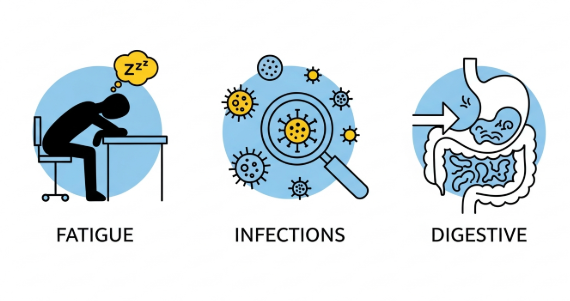
One of the most established markers involves repeated infections. These may include colds, flu, sinus infections, or urinary tract infections.
Clinical guidance from the World Health Organization (WHO) suggests that frequent infections may indicate reduced immune surveillance. This is especially relevant if recovery is slow.
Examples include:
- Catching colds more than four times per year.
- Infections that require repeated antibiotic treatment.
- Lingering symptoms after minor illnesses.
Source: https://www.who.int
2. Slow Wound Healing
Delayed wound healing reflects impaired immune coordination. Immune cells play a critical role in tissue repair and inflammation control.
When immunity is weakened:
- Cuts take longer to close.
- Bruises persist.
- Minor injuries become inflamed.
Research published in The Journal of Clinical Investigation highlights the role of immune mediators in collagen synthesis and angiogenesis.
Source: https://www.ncbi.nlm.nih.gov/pubmed
3. Chronic Fatigue and Low Energy
Persistent fatigue is not always related to sleep quality. In many cases, immune dysregulation increases inflammatory cytokines. This process disrupts energy metabolism.
Unlike temporary tiredness, immune-related fatigue:
- Persists despite rest.
- Worsens after minor illness.
- Affects concentration and motivation.
The NIH recognizes fatigue as a non-specific but important immune-related symptom when combined with other indicators.
Source: https://www.nih.gov
Digestive Issues and Immune Function
Approximately 70 percent of immune cells reside in the gut-associated lymphoid tissue. Therefore, gastrointestinal symptoms often accompany Signs of immune weakness.
Common digestive indicators include:
- Frequent diarrhea or constipation.
- Food sensitivities.
- Bloating and discomfort.
An imbalanced gut microbiota weakens immune signaling. According to Harvard Medical School, gut health strongly influences systemic immunity.
Source: https://www.health.harvard.edu
Skin, Hair, and Nail Changes
The skin functions as an immune organ. When immune defenses decline, dermatological changes may appear.
These include:
- Dry or inflamed skin.
- Frequent rashes or infections.
- Brittle nails and hair thinning.
Although these signs may also reflect nutrient deficiencies, immune involvement is often a contributing factor.
Stress, Sleep, and Immune Suppression
Chronic psychological stress suppresses immune response through cortisol dysregulation. Over time, this suppression contributes to measurable immune decline.
Studies in Psychoneuroendocrinology confirm that prolonged stress reduces lymphocyte activity.
Additionally, poor sleep interferes with immune memory formation. Adults sleeping fewer than six hours per night show increased infection risk.
Source: https://pubmed.ncbi.nlm.nih.gov
Nutritional Factors Linked to Immune Weakness
Micronutrient status plays a critical role in immune regulation. Deficiencies do not cause immediate illness. Instead, they gradually impair immune signaling.
Key nutrients include:
- Vitamin C
- Vitamin D
- Zinc
- Selenium
The NIH Office of Dietary Supplements emphasizes balanced intake through diet first, followed by supplementation when clinically indicated.
Source: https://ods.od.nih.gov
Herbal Medicine and Immune Support: Evidence-Based Perspective
Traditional herbal medicine has long focused on immune modulation rather than stimulation. Modern research now supports this nuanced view.
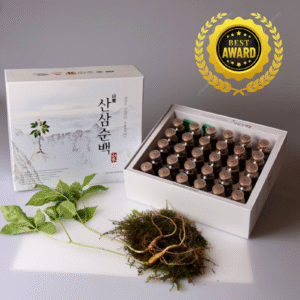
Korean Ginseng (Panax ginseng)
Korean ginseng has been studied extensively for immune balance. Clinical trials suggest it supports natural killer cell activity and reduces inflammation markers.
Importantly, ginseng does not replace medical treatment. Instead, it may complement a healthy lifestyle under professional guidance. Read also: Ginseng for Supporting Immune System Health: Benefits, Mechanisms, and Safe Use
Source: https://www.ncbi.nlm.nih.gov/pmc
When to Seek Medical Advice
Although lifestyle factors influence immunity, persistent Signs of immune weakness require medical evaluation.
Consult a healthcare professional if:
- Infections are severe or frequent.
- Fatigue is unexplained.
- Symptoms worsen over time.
This article does not substitute professional medical advice. Diagnosis and treatment should always involve qualified clinicians.
Conclusion
Immune weakness rarely appears overnight. Instead, it develops gradually through stress, nutrient imbalance, illness, or aging. By understanding these patterns, individuals can take informed, preventive steps. Evidence-based nutrition, adequate rest, and professional guidance remain central to immune health.
Frequently Asked Questions (FAQ)
What are the earliest signs of immune weakness?
Early signs include frequent infections, slow recovery, and persistent fatigue.
Can stress alone weaken the immune system?
Yes. Chronic stress suppresses immune signaling and increases infection risk.
Does herbal medicine cure immune weakness?
No. Herbal medicine may support immune balance but does not replace medical care.
When should I see a doctor?
Seek medical advice if symptoms persist or worsen.
🇰🇷 Premium Korean Ginseng Online Shop