Introduction
Chronic fatigue is a complex condition that affects physical stamina, mental clarity, and quality of life. As a result, many people explore complementary approaches alongside conventional care. Ginseng for chronic fatigue support has gained significant attention due to its long history in traditional medicine and growing scientific evidence. This article examines how ginseng may support energy regulation, stress adaptation, and overall vitality using an evidence-based and medically responsible perspective.
Importantly, this content is educational and does not replace professional medical advice. Always consult a qualified healthcare provider before starting any supplement.
Understanding Chronic Fatigue from a Medical Perspective
Chronic fatigue is not the same as everyday tiredness. Instead, it is persistent exhaustion that does not improve with rest. It may also worsen after physical or mental activity.
Common contributing factors include:
- Neuroendocrine imbalance
- Chronic inflammation
- Mitochondrial dysfunction
- Psychological stress
- Sleep disturbances
According to the U.S. National Institutes of Health (NIH), chronic fatigue syndromes often involve dysregulation of the hypothalamic-pituitary-adrenal (HPA) axis, which plays a central role in energy metabolism and stress response.
Source: https://www.ninds.nih.gov
Because of this complexity, supportive therapies must focus on systemic balance rather than short-term stimulation.
What Is Ginseng? A Scientifically Recognized Adaptogenic Herb
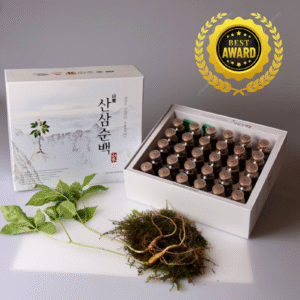
Ginseng refers primarily to plants in the Panax genus, particularly Panax ginseng (Korean ginseng). The term “Panax” means “all-healing,” reflecting its historical use in East Asian medicine.
Key bioactive compounds include:
- Ginsenosides (Rb1, Rg1, Rg3)
- Polysaccharides
- Peptides and polyacetylenes
These compounds are classified as adaptogens. Adaptogens help the body adapt to physical, emotional, and environmental stressors.
The World Health Organization (WHO) recognizes Panax ginseng as a medicinal plant with documented pharmacological activity.
Source: https://www.who.int
How Ginseng for Chronic Fatigue Support Works
1. Regulation of Energy Metabolism
Ginseng has shown potential to improve cellular energy production. Studies suggest that ginsenosides support mitochondrial efficiency, which is crucial for ATP synthesis.
A randomized controlled trial published in Journal of Ginseng Research found improved fatigue scores in adults using standardized ginseng extract.
Source: https://www.ncbi.nlm.nih.gov/pmc/articles/PMC5452225/
As a result, ginseng may support sustained energy rather than rapid stimulation.
2. HPA Axis and Stress Adaptation
Chronic fatigue often correlates with prolonged stress. Ginseng supports the HPA axis by modulating cortisol responses.
Importantly, this modulation is bidirectional. Therefore, it may help balance both elevated and suppressed stress hormone levels.
According to PubMed-indexed research, adaptogens like ginseng support resilience without overstimulation.
Source: https://pubmed.ncbi.nlm.nih.gov
3. Cognitive Fatigue and Mental Clarity
Mental fatigue is a major concern for many individuals with chronic exhaustion. Evidence indicates that ginseng may improve attention, working memory, and reaction time.
Clinical studies show improved cognitive performance in fatigued populations, especially under stress conditions.
Thus, ginseng for chronic fatigue support extends beyond physical energy into mental endurance.
Comparing Ginseng with Other Natural Fatigue Supports
| Supplement | Primary Action | Limitations |
|---|---|---|
| Caffeine | Central nervous system stimulant | May worsen crashes |
| Rhodiola | Stress adaptation | Shorter duration |
| CoQ10 | Mitochondrial support | Slower onset |
| Ginseng | Adaptogenic, systemic | Requires consistent use |
Unlike stimulants, ginseng works gradually. Consequently, it is often better tolerated for long-term support.
Safety Profile, Dosage, and Clinical Considerations
Recommended Dosage (General Guidance)
- Standardized extract: 200–400 mg/day
- Whole root preparations: follow manufacturer guidance
Clinical studies usually assess effects after 4–12 weeks of consistent use.
Safety and Contraindications
Ginseng is generally well tolerated when used appropriately. However, caution is advised for individuals who:
- Are pregnant or breastfeeding
- Take anticoagulants or hypoglycemic drugs
- Have autoimmune or hormone-sensitive conditions
Reported side effects are mild and may include insomnia or digestive upset.
NIH emphasizes that herbal supplements should be used under medical supervision.
Source: https://ods.od.nih.gov
Choosing High-Quality Ginseng Products
Quality determines clinical relevance. Therefore, consider these factors:
- Species clearly labeled (Panax ginseng)
- Standardized ginsenoside content
- Transparent sourcing and testing
- Compliance with Good Manufacturing Practices (GMP)
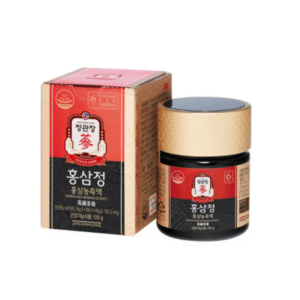
Korean red ginseng is often preferred due to its processing method, which increases certain bioactive compounds.
Integrating Ginseng into a Chronic Fatigue Support Plan
Ginseng works best as part of a holistic approach. For example:
- Balanced nutrition
- Sleep optimization
- Stress management strategies
- Medical evaluation for underlying causes
Therefore, ginseng for chronic fatigue support should complement, not replace, clinical care.
Conclusion
Ginseng has a strong historical foundation and growing scientific validation for its role in fatigue-related conditions. Evidence suggests it supports energy metabolism, stress adaptation, and cognitive resilience. When used responsibly, ginseng may offer meaningful support for individuals experiencing chronic fatigue.
Nevertheless, individual responses vary. Always consult a healthcare professional before starting any supplement.
Ginseng for Low Energy Levels — Evidence-Based Benefits, Safety, and Practical Use
Frequently Asked Questions (FAQ)
Is ginseng proven to cure chronic fatigue?
No. Ginseng does not cure chronic fatigue. However, studies suggest it may support energy and stress regulation.
How long does ginseng take to work?
Most studies report noticeable effects after 4–8 weeks of consistent use.
Can ginseng replace medical treatment?
No. It should be used as a complementary approach, not a substitute for medical care.
Is Korean ginseng better than other types?
Korean (Panax ginseng) is the most studied and widely used for fatigue-related support.
Can ginseng be taken daily?
Yes, when used within recommended dosages and under professional guidance.
🇰🇷 Premium Korean Ginseng Online Shop