Introduction
Interest in ginseng for brain performance has grown alongside rising concerns about focus, memory, and mental fatigue. Many adults seek natural options that support cognitive health without overstated claims. Ginseng, especially Panax ginseng (Korean ginseng), has a long history in traditional medicine. However, modern health guidance requires scientific validation. Therefore, this article reviews the current evidence, safety profile, and practical considerations for using ginseng to support brain performance, while aligning with global medical standards.
What Is Ginseng and Why Is It Studied for Cognitive Health?
Ginseng refers to several species in the Panax genus. The most studied form is Panax ginseng C.A. Meyer, also called Korean or Asian ginseng. Its bioactive compounds, known as ginsenosides, influence neurotransmitters, inflammation, and cerebral blood flow.
Historically, ginseng was used to combat fatigue and support mental clarity. Today, researchers evaluate these traditional claims through controlled trials. Importantly, ginseng is not classified as a drug. Instead, it is a botanical supplement that may support normal brain function when used appropriately.
Understanding Brain Performance from a Medical Perspective
Brain performance is a broad concept. Clinically, it includes several measurable domains:
- Attention and concentration
- Working and long-term memory
- Processing speed
- Mental energy and fatigue resistance
Cognitive performance naturally declines with age, stress, and poor sleep. Additionally, inflammation and oxidative stress can impair neuronal signaling. For this reason, many studies explore plant compounds with antioxidant and neuroprotective properties.
How Ginseng May Support Brain Performance
1. Effects on Neurotransmitters
Some ginsenosides influence acetylcholine and dopamine pathways. These neurotransmitters play a key role in attention and learning. According to research indexed on PubMed, ginseng may help regulate synaptic activity under stress conditions.
Source: https://pubmed.ncbi.nlm.nih.gov/
2. Cerebral Blood Flow and Oxygen Utilization
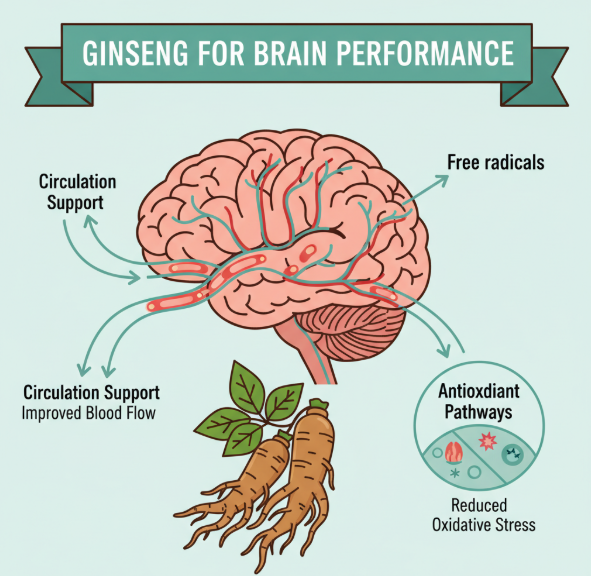
Healthy brain performance depends on adequate blood flow. Ginseng appears to support nitric oxide production, which helps regulate vascular tone. As a result, improved circulation may support alertness during mentally demanding tasks.
3. Antioxidant and Anti-Inflammatory Activity
Oxidative stress damages neurons over time. Ginseng contains compounds that neutralize free radicals. Studies published in the Journal of Ginseng Research suggest this mechanism may help protect cognitive function, especially in aging populations.
Source: https://www.sciencedirect.com/journal/journal-of-ginseng-research
Scientific Evidence on Ginseng for Brain Performance
Clinical evidence on ginseng for brain performance is mixed but promising. Importantly, most findings describe supportive effects rather than treatment outcomes.
Human Clinical Trials
- A randomized controlled trial reported improved working memory and calmness after short-term ginseng supplementation in healthy adults.
Source: https://pubmed.ncbi.nlm.nih.gov/19710012/ - Another study found modest improvements in reaction time and mental arithmetic performance.
Source: https://www.ncbi.nlm.nih.gov/
Systematic Reviews
Systematic reviews from institutions such as the National Institutes of Health (NIH) conclude that ginseng may enhance certain aspects of cognitive performance. However, results vary by dosage, extract quality, and study duration.
Source: https://www.nccih.nih.gov/
Therefore, ginseng should be viewed as a supportive supplement rather than a guaranteed cognitive enhancer.
Who May Consider Using Ginseng?
Ginseng may be appropriate for adults who experience:
- Mental fatigue related to stress
- Age-associated cognitive slowing
- Reduced focus during prolonged mental tasks
However, it is not intended for diagnosing or treating neurological conditions. Individuals with chronic illness should seek professional advice before use.
Dosage, Forms, and Quality Considerations
Common Forms of Ginseng
- Capsules or tablets
- Powdered root
- Liquid extracts
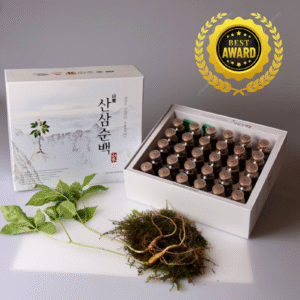
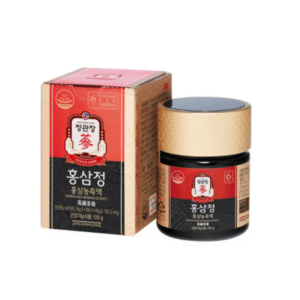
- Red ginseng concentrates
Standardized extracts often specify ginsenoside content. Clinical studies typically use doses ranging from 200–400 mg per day.
Safety and Interactions
Ginseng is generally well tolerated. Nevertheless, potential side effects include:
- Insomnia
- Headache
- Gastrointestinal discomfort
Ginseng may interact with anticoagulants, diabetes medications, and stimulants. For this reason, consultation with a healthcare provider is strongly advised.
Comparing Ginseng with Other Cognitive Supplements
| Supplement | Primary Evidence | Key Difference |
|---|---|---|
| Ginseng | Human trials, traditional use | Adaptogenic effects |
| Ginkgo biloba | Circulation-focused | More vascular emphasis |
| Caffeine | Strong stimulant evidence | Short-term stimulation |
| Omega-3 | Structural brain support | Long-term neural health |
Ginseng stands out for its adaptogenic profile. It supports balance rather than overstimulation.
Guidance from Health Authorities
While the World Health Organization (WHO) recognizes traditional use of ginseng, it emphasizes quality control and appropriate labeling.
Source: https://www.who.int/
Similarly, the NIH highlights the need for more large-scale trials. Nonetheless, existing data supports cautious, informed use.
Responsible Use and Medical Disclaimer
This article is for educational purposes only. It does not replace professional medical advice, diagnosis, or treatment. Always consult a qualified healthcare provider before starting any supplement, especially if you have existing health conditions or take prescription medications.
Conclusion
Scientific interest in ginseng for brain performance continues to expand. Current evidence suggests that high-quality ginseng may support attention, mental energy, and resilience to stress. However, benefits are modest and vary among individuals. When used responsibly, and under professional guidance, ginseng can be part of a broader cognitive health strategy that includes sleep, nutrition, and mental activity.
FAQ (Schema-Friendly)
Is ginseng proven to improve brain performance?
Clinical studies show supportive effects on attention and mental fatigue. Results vary by individual and dosage.
How long does ginseng take to work?
Some studies report effects within weeks. Long-term benefits require consistent use.
Can ginseng prevent cognitive decline?
There is no evidence that ginseng prevents neurological disease. It may support normal cognitive function.
Is ginseng safe for daily use?
For most healthy adults, short- to medium-term use is considered safe. Medical advice is recommended.
Which ginseng is best for cognitive support?
Panax ginseng, particularly standardized Korean red ginseng, is the most studied form.
🇰🇷 Premium Korean Ginseng Online Shop