Introduction
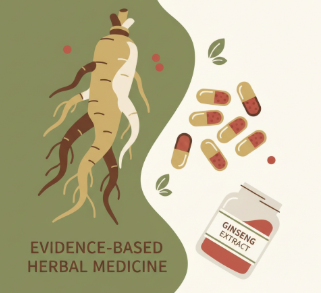
The advantage of ginseng has been recognized for centuries in traditional medicine and is now supported by growing scientific research. Ginseng is widely studied for its effects on energy, immune function, cognitive health, and metabolic balance. Importantly, modern clinical research helps explain how this medicinal herb works and who may benefit from its use. This article explores the advantage of ginseng using evidence-based sources, medical guidelines, and responsible health communication.
Ginseng is not a miracle cure. However, when used correctly, it may support overall wellness as part of a balanced lifestyle.
Understanding Ginseng: What Makes It Medicinal
Ginseng refers mainly to plants in the Panax genus. The most researched types include:
- Panax ginseng (Korean or Asian ginseng)
- Panax quinquefolius (American ginseng)
The word Panax means “all-healing” in Greek. While that term is symbolic, it reflects ginseng’s long history in herbal medicine.
Key Active Compounds: Ginsenosides
The advantage of ginseng comes primarily from compounds called ginsenosides. These bioactive molecules influence:
- Inflammatory pathways
- Immune signaling
- Neurotransmitter activity
- Cellular energy metabolism
According to research published in PubMed and Frontiers in Pharmacology, ginsenosides interact with multiple biological systems rather than targeting one organ alone.
Source: https://pubmed.ncbi.nlm.nih.gov/
Advantage of Ginseng for Energy and Fatigue Management
One well-documented advantage of ginseng is its role in reducing fatigue. Unlike stimulants, ginseng does not directly increase heart rate or cause dependency.
How It Supports Energy
- Enhances mitochondrial energy production
- Reduces oxidative stress
- Improves physical endurance
A randomized clinical trial published by the National Institutes of Health (NIH) found that standardized ginseng extracts reduced chronic fatigue symptoms in adults.
Source: https://www.ncbi.nlm.nih.gov/
Therefore, ginseng may support sustained energy without the crash linked to caffeine.
Cognitive and Mental Performance Benefits
Another important advantage of ginseng involves brain health and cognitive performance.
Potential Cognitive Effects
- Improved focus and attention
- Support for working memory
- Reduced mental fatigue
Research from Journal of Ginseng Research indicates that ginseng may modulate acetylcholine activity, a key neurotransmitter involved in memory and learning.
Source: https://www.sciencedirect.com/journal/journal-of-ginseng-research
However, effects vary by dosage and individual health status.
Immune System Support and Inflammation Control
Supporting immune resilience is another major advantage of ginseng.
Immune-Related Mechanisms
- Enhances natural killer (NK) cell activity
- Regulates cytokine production
- Supports antioxidant defenses
The World Health Organization (WHO) recognizes Panax ginseng as a traditional herbal medicine for supporting vitality and immune function.
Source: https://www.who.int/
As a result, ginseng may help the body respond more effectively to physical stressors.
Metabolic Health and Blood Sugar Balance
The advantage of ginseng also extends to metabolic regulation.
Evidence-Based Findings
- Improved insulin sensitivity
- Reduced post-meal glucose spikes
- Support for metabolic balance
A systematic review in Diabetes & Metabolism Journal found that ginseng supplementation modestly improved fasting blood glucose levels in some populations.
Source: https://www.e-dmj.org/
That said, ginseng should not replace prescribed diabetes medication.
Comparing Korean and American Ginseng
Not all ginseng works the same way.
| Feature | Korean Ginseng | American Ginseng |
|---|---|---|
| Traditional use | Vitality, stamina | Calm energy, stress |
| Ginsenoside profile | Higher Rg1 | Higher Re |
| Energy effect | More stimulating | More balancing |
Understanding these differences helps users select the right type.
Safety, Dosage, and Responsible Use
Despite the advantage of ginseng, safe use is essential.
General Safety Guidelines
- Typical dosage: 200–400 mg standardized extract daily
- Avoid long-term continuous use without breaks
- Consult a healthcare professional if pregnant
Possible side effects include insomnia, headaches, or digestive upset in sensitive individuals.
⚠ Medical Disclaimer:
This article is for educational purposes only. It is not a substitute for professional medical advice, diagnosis, or treatment.
Frequently Asked Questions (FAQ)
Is ginseng safe for daily use?
Short-term daily use is generally safe for healthy adults. Long-term use should be supervised by a professional.
How long does it take to feel the effects?
Some people notice benefits within 2–4 weeks. Results vary by individual.
Can ginseng replace medication?
No. Ginseng is a supportive supplement, not a replacement for medical treatment.
Does ginseng interact with drugs?
Yes. It may interact with blood thinners, diabetes medications, or stimulants.
Conclusion
The advantage of ginseng lies in its broad, multi-system support rather than dramatic short-term effects. Scientific evidence supports its role in energy management, immune function, cognitive health, and metabolic balance. When used responsibly and supported by medical guidance, ginseng can be a valuable addition to a wellness-focused lifestyle.
🇰🇷 Premium Korean Ginseng Online Shop