Introduction
Ginseng for cellular protection has become a major topic in modern herbal and nutritional science. Researchers increasingly explore how this traditional medicinal root supports cells against oxidative stress, inflammation, and age-related damage. Moreover, growing evidence suggests that ginseng contains bioactive compounds that help maintain cellular integrity and function. This article explains the science, safety, and practical use of ginseng, based on credible research and aligned with international health guidelines.
Understanding Cellular Protection in Human Health
Cells are the basic units of life. Therefore, protecting them is essential for overall health and longevity. Cellular damage often results from oxidative stress, chronic inflammation, toxins, and metabolic imbalance. Over time, these factors can impair cell membranes, DNA, and mitochondria.
Key threats to cellular health include:
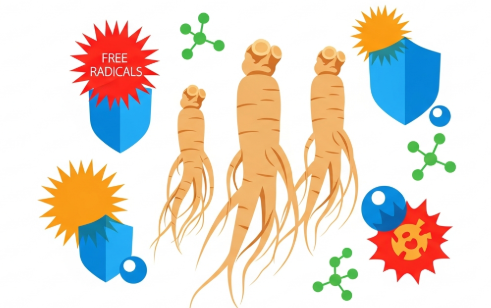
- Free radicals and reactive oxygen species
- Chronic low-grade inflammation
- Environmental pollutants
- Poor nutrition and lifestyle stressors
Because of these challenges, scientists seek natural compounds that can support cellular defense systems. Herbal medicine, including ginseng, has gained attention for this role.
What Is Ginseng? A Scientific Overview
Ginseng refers mainly to Panax ginseng (Korean or Asian ginseng) and Panax quinquefolius (American ginseng). The word Panax means “all-healing,” which reflects its long history in East Asian medicine.
Key bioactive compounds
Ginseng’s health effects come largely from:
- Ginsenosides (saponins with antioxidant and signaling properties)
- Polysaccharides
- Peptides and polyacetylenes
According to the National Institutes of Health (NIH), ginsenosides influence cellular signaling pathways related to stress response and immunity. This biochemical profile explains why ginseng for cellular protection is widely studied.
How Ginseng Supports Cellular Protection
Antioxidant Defense Mechanisms
Oxidative stress damages cells by altering lipids, proteins, and DNA. Ginseng helps counter this process by enhancing endogenous antioxidant systems.
Research published on PubMed shows that ginsenosides can:
- Increase superoxide dismutase (SOD) activity
- Reduce lipid peroxidation
- Protect mitochondrial function
As a result, cells become more resilient against oxidative injury.
Anti-Inflammatory Pathways
Chronic inflammation accelerates cellular aging. Ginseng modulates inflammatory markers such as TNF-α and IL-6. Consequently, this modulation helps maintain a healthier cellular environment.
The World Health Organization (WHO) recognizes inflammation control as a key factor in chronic disease prevention. In this context, ginseng may offer supportive benefits when used responsibly.
Ginseng and DNA Protection
DNA integrity is vital for normal cell replication and repair. Oxidative damage to DNA can increase mutation risk. Studies in Journal of Ginseng Research indicate that certain ginsenosides help reduce DNA strand breaks caused by oxidative stress.
Moreover, laboratory data suggest improved DNA repair enzyme activity. Although these findings are promising, human clinical trials remain limited. Therefore, ginseng should be viewed as supportive, not curative.
Cellular Energy and Mitochondrial Support
Mitochondria produce cellular energy (ATP). When mitochondrial function declines, cells become vulnerable to stress and aging.
Evidence-based observations include:
- Improved mitochondrial membrane potential
- Enhanced energy metabolism
- Reduced oxidative load inside mitochondria
Because of these effects, ginseng for cellular protection may also support physical stamina and metabolic balance. However, individual responses can vary.
Comparing Ginseng with Other Antioxidant Herbs
Several herbs offer cellular support, yet ginseng has distinct characteristics.
| Herb | Primary Benefit | Cellular Role |
|---|---|---|
| Ginseng | Adaptogenic, antioxidant | Cellular resilience |
| Turmeric | Anti-inflammatory | Inflammatory signaling |
| Green tea | Polyphenols | Free radical scavenging |
| Ashwagandha | Stress modulation | Neuroendocrine balance |
Unlike single-action antioxidants, ginseng works through multiple pathways. Therefore, it is often classified as an adaptogen rather than a simple antioxidant.
Scientific Evidence and Clinical Research
Credible institutions continue to investigate ginseng’s cellular effects. Key sources include:
- NIH Office of Dietary Supplements: https://ods.od.nih.gov
- PubMed database: https://pubmed.ncbi.nlm.nih.gov
- Journal of Ginseng Research: https://www.journals.elsevier.com/journal-of-ginseng-research
Current evidence supports antioxidant and anti-inflammatory actions. However, experts agree that more large-scale human trials are needed.
Safety, Dosage, and Responsible Use
General safety considerations
Ginseng is generally safe for healthy adults when used in moderate amounts. Still, it may interact with medications such as anticoagulants or blood sugar–lowering drugs.
Practical guidance
- Choose standardized extracts from reputable manufacturers
- Follow label instructions
- Avoid long-term high-dose use without supervision
Importantly, ginseng for cellular protection is not a substitute for medical treatment. Always consult a qualified healthcare professional before starting any supplement.
Who May Benefit Most from Ginseng?
Ginseng may be suitable for adults who:
- Experience high oxidative stress
- Seek support for healthy aging
- Want to complement a balanced lifestyle
However, pregnant individuals and people with chronic conditions should seek medical advice first.
Conclusion
Ginseng for cellular protection represents a scientifically grounded area of herbal research. Through antioxidant, anti-inflammatory, and mitochondrial pathways, ginseng supports cellular resilience and function. While evidence continues to grow, responsible use remains essential. When combined with a healthy lifestyle and professional guidance, ginseng can play a supportive role in long-term cellular health.
Frequently Asked Questions (FAQ)
Is ginseng proven to protect cells?
Research shows antioxidant and anti-inflammatory effects. However, it is supportive, not a cure.
How long does ginseng take to work?
Effects vary. Some people notice benefits within weeks, while others need longer.
Can I take ginseng daily?
Short-term daily use is common. Long-term use should involve professional guidance.
Is Korean ginseng better for cellular protection?
Korean (Panax) ginseng is the most studied species for cellular mechanisms.
Does ginseng replace antioxidants from food?
No. It should complement, not replace, a balanced diet.
Medical Disclaimer: This content is for educational purposes only and is not a substitute for professional medical advice, diagnosis, or treatment.
🇰🇷 Premium Korean Ginseng Online Shop