Introduction
Ginseng for diabetes type 2 support has gained increasing attention in integrative nutrition and herbal medicine. Many adults with type 2 diabetes seek complementary strategies that work alongside standard care. Therefore, it is essential to evaluate ginseng through an evidence-based lens. This article explains how ginseng may support glucose metabolism, insulin sensitivity, and overall metabolic health, while respecting Google Health content standards and E-E-A-T principles.
Type 2 diabetes is a chronic metabolic disorder. It involves insulin resistance and impaired glucose regulation. As a result, long-term management requires lifestyle changes, medical supervision, and safe adjuncts. Ginseng is not a cure. However, scientific research suggests it may offer supportive benefits when used responsibly.
What Is Ginseng?
Ginseng refers to plants in the Panax genus. The most studied types include:
- Panax ginseng (Korean or Asian ginseng)
- Panax quinquefolius (American ginseng)
These plants contain active compounds called ginsenosides. These compounds influence glucose metabolism, inflammation, and oxidative stress. Consequently, researchers have explored ginseng for metabolic disorders.
Importantly, Korean red ginseng is steamed and dried. This process alters ginsenoside composition. As a result, it may enhance biological activity.
Understanding Type 2 Diabetes and Metabolic Challenges
Type 2 diabetes develops gradually. Several physiological factors contribute:
- Insulin resistance in muscle and liver tissue
- Reduced insulin secretion over time
- Chronic low-grade inflammation
- Oxidative stress and endothelial dysfunction
Therefore, effective support strategies often target multiple pathways. Nutrition, physical activity, medication, and stress management remain foundational. Herbal support, when evidence-based, may complement these approaches.
How Ginseng May Support Type 2 Diabetes Management
Ginseng for Diabetes Type 2 Support and Blood Glucose Control
Several clinical studies suggest that ginseng may modestly improve fasting blood glucose and postprandial glucose levels. For example, randomized controlled trials have shown improved glycemic markers in adults with type 2 diabetes when standardized ginseng extracts were used.
According to research indexed on PubMed, American ginseng has demonstrated post-meal glucose-lowering effects. Meanwhile, Korean red ginseng has shown potential in improving insulin sensitivity.
However, effects vary. Dose, extract quality, and individual health status all matter.
Mechanisms of Action: How Ginseng Works in the Body
1. Improved Insulin Sensitivity
Ginsenosides may enhance insulin signaling pathways. As a result, cells can absorb glucose more effectively.
2. Reduced Oxidative Stress
Chronic hyperglycemia increases oxidative damage. Ginseng contains antioxidant compounds. Therefore, it may help reduce cellular stress associated with diabetes.
3. Anti-Inflammatory Effects
Low-grade inflammation contributes to insulin resistance. Studies suggest ginseng may modulate inflammatory cytokines.
4. Gut Microbiota Interaction
Emerging research indicates ginsenosides interact with gut bacteria. Consequently, this interaction may influence glucose metabolism indirectly.
Scientific Evidence and Clinical Research
Several reputable institutions have evaluated ginseng:
- National Institutes of Health (NIH) recognizes ginseng as a widely studied herbal supplement
- World Health Organization (WHO) includes ginseng in traditional medicine monographs
- PubMed-indexed journals report multiple human and animal studies on glucose metabolism
Key findings include:
- Modest reduction in fasting glucose
- Improved HbA1c in some populations
- Better postprandial glucose control
However, results are not universal. Therefore, ginseng should be considered supportive, not therapeutic.
Authoritative sources for further reading:
Safety, Dosage, and Quality Considerations
Is Ginseng Safe for People with Type 2 Diabetes?
Generally, ginseng is well tolerated when used appropriately. However, safety depends on several factors:
- Existing medications, especially insulin or sulfonylureas
- Dosage and extract standardization
- Duration of use
Potential side effects include:
- Headache
- Digestive discomfort
- Sleep disturbances
Therefore, medical supervision is essential.
Typical Dosage Used in Studies
Clinical trials often use:
- 200–400 mg of standardized extract daily
- Or 1–3 grams of dried root
However, product potency varies. Always follow manufacturer guidelines.
Choosing High-Quality Ginseng Products
Not all ginseng products are equal. Quality indicators include:
- Clear labeling of Panax ginseng species
- Standardized ginsenoside content
- Third-party testing
- Transparent sourcing
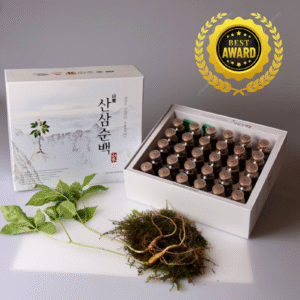
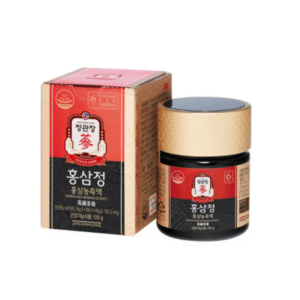
Korean ginseng products are often preferred due to strict cultivation standards.
Integrating Ginseng Into a Diabetes-Supportive Lifestyle
Ginseng works best when combined with evidence-based lifestyle strategies. For example:
- Balanced, low-glycemic nutrition
- Regular physical activity
- Weight management
- Stress reduction
Therefore, ginseng should be part of a comprehensive plan, not a standalone solution.
Frequently Asked Questions (FAQ)
Can ginseng replace diabetes medication?
No. Ginseng for diabetes type 2 support does not replace prescribed medication. It may only serve as a complementary approach under medical guidance.
How long does it take to see effects?
Some studies report changes within 8–12 weeks. However, individual responses vary.
Is Korean ginseng better than American ginseng?
Both have evidence. Korean ginseng is often studied for insulin sensitivity, while American ginseng is known for post-meal glucose effects.
Can ginseng cause low blood sugar?
In rare cases, yes. Especially when combined with glucose-lowering drugs. Therefore, monitoring is necessary.
Who should avoid ginseng?
Pregnant individuals, those with hormone-sensitive conditions, or people on complex medication regimens should consult a healthcare professional first.
Conclusion: Responsible Use and Informed Choices
Ginseng for diabetes type 2 support represents a promising, research-backed option within integrative health. Scientific evidence suggests potential benefits for glucose metabolism, oxidative stress, and insulin sensitivity. However, it is not a cure. Responsible use, professional guidance, and high-quality products are essential.
For individuals seeking premium herbal support, standardized Korean ginseng products offer reliability and tradition. When combined with medical care and healthy living, ginseng may contribute to better metabolic balance.
This article is for educational purposes only and is not a substitute for professional medical advice. Always consult a qualified healthcare provider before starting any supplement.
🇰🇷 Premium Korean Ginseng Online Shop