Introduction
Ginseng for cardiovascular wellness has gained global attention as more people seek natural, evidence-based ways to support heart health. For centuries, ginseng has been used in traditional medicine systems across Asia. Today, modern research continues to explore its role in circulation, blood vessel function, and overall cardiovascular balance. Importantly, this article reviews ginseng through a scientific and medical lens, aligned with current health guidelines and research standards.
Cardiovascular disease remains one of the leading causes of death worldwide, according to the World Health Organization (WHO). Therefore, preventive strategies that combine lifestyle management, medical care, and supportive nutrition are increasingly relevant. Ginseng is not a cure, yet it may contribute to a broader cardiovascular wellness approach when used responsibly.
Understanding Ginseng and Its Active Compounds
Ginseng refers primarily to plants from the Panax genus, including Panax ginseng (Korean ginseng) and Panax quinquefolius (American ginseng). The word Panax means “all-healing,” although modern science evaluates this claim carefully.
The primary bioactive compounds in ginseng are called ginsenosides. These compounds influence cellular signaling, inflammation, and oxidative stress. As a result, researchers are interested in their potential cardiovascular effects.
Key characteristics of ginsenosides include:
- Modulation of nitric oxide production
- Antioxidant activity
- Anti-inflammatory properties
- Support for endothelial function
According to research indexed on PubMed, different ginsenosides act on distinct molecular pathways, which may explain varied health effects.
How Ginseng May Support Cardiovascular Wellness
Ginseng for Cardiovascular Wellness and Blood Circulation
One reason ginseng for cardiovascular wellness is studied relates to blood flow regulation. Several studies suggest ginsenosides may help support nitric oxide synthesis. Nitric oxide plays a critical role in relaxing blood vessels.
Improved vessel relaxation may support:
- Healthy circulation
- Balanced blood pressure
- Vascular elasticity
A review published in Journal of Ginseng Research indicates that ginseng may positively influence endothelial cells, which line blood vessels. However, results vary depending on dosage, preparation, and individual health status.
Potential Role in Blood Pressure Regulation
High blood pressure is a major cardiovascular risk factor. Some clinical studies suggest that ginseng may support normal blood pressure in certain populations. Importantly, results are modest and not universal.
Research highlights include:
- Mild blood pressure support in adults with prehypertension
- Improved arterial stiffness markers in small trials
- No replacement for prescribed antihypertensive medication
The National Institutes of Health (NIH) emphasizes that herbal supplements should not replace medical treatment. Therefore, ginseng should be viewed as a complementary option only.
Antioxidant and Anti-Inflammatory Effects on Heart Health
Oxidative stress and chronic inflammation contribute significantly to cardiovascular disease progression. Ginseng contains antioxidant compounds that may help neutralize free radicals.
Potential antioxidant benefits include:
- Reduced oxidative damage to blood vessels
- Support for lipid metabolism balance
- Protection of endothelial cells
A study available via PubMed reports that ginsenosides may inhibit inflammatory markers linked to atherosclerosis development. Nevertheless, large-scale clinical trials are still limited.
Ginseng, Cholesterol, and Metabolic Health
Cardiovascular wellness also depends on metabolic balance. Several studies have examined ginseng’s effects on lipid profiles.
Observed research outcomes include:
- Possible reduction in LDL oxidation
- Modest improvements in total cholesterol
- Support for glucose metabolism
Since diabetes and dyslipidemia increase heart disease risk, these effects may indirectly support cardiovascular wellness. However, responses differ between individuals.
Safety, Dosage, and Clinical Considerations
Is Ginseng Safe for Cardiovascular Use?
For most healthy adults, ginseng is considered safe when consumed in appropriate amounts. Common side effects may include headache, digestive upset, or sleep disturbances.
Important safety considerations:
- Possible interaction with blood thinners
- Potential effect on blood pressure medications
- Not recommended during pregnancy without medical advice
According to the European Medicines Agency and NIH, consultation with a healthcare professional is essential before starting ginseng, especially for individuals with heart conditions.
Recommended Dosage and Forms
Ginseng is available in several forms:
- Capsules or tablets
- Liquid extracts
- Powdered root
- Functional beverages
Clinical studies often use standardized extracts containing defined ginsenoside levels. Typical research dosages range from 200–400 mg per day. However, individualized guidance remains critical.
Comparing Ginseng with Other Herbal Heart Supports
Ginseng is often compared with herbs such as garlic, hawthorn, and green tea.
Comparison highlights:
- Ginseng: Adaptogenic, circulation support
- Garlic: Cholesterol and blood pressure support
- Hawthorn: Traditional cardiac tonic
- Green tea: Antioxidant and metabolic support
Each herb works through different mechanisms. Therefore, ginseng for cardiovascular wellness should be considered part of a broader, personalized strategy.
Who May Benefit Most from Ginseng?
Ginseng may be suitable for:
- Adults seeking preventive cardiovascular support
- Individuals experiencing fatigue related to circulation
- People focused on healthy aging
However, it is not appropriate for everyone. People with arrhythmias, hormone-sensitive conditions, or those taking anticoagulants should exercise caution.
Frequently Asked Questions (FAQ)
Is ginseng proven to prevent heart disease?
No. Ginseng does not prevent heart disease. It may support cardiovascular wellness as part of a healthy lifestyle.
Can I take ginseng with heart medication?
You should consult a healthcare professional first, as interactions are possible.
How long does it take to notice effects?
Some studies observe changes within weeks, but results vary widely.
Is Korean ginseng better for heart health?
Korean ginseng is well studied, yet effectiveness depends on quality, dosage, and individual response.
Scientific References and Authoritative Sources
- World Health Organization (WHO): https://www.who.int
- National Institutes of Health (NIH): https://www.nih.gov
- PubMed (U.S. National Library of Medicine): https://pubmed.ncbi.nlm.nih.gov
- Journal of Ginseng Research: https://www.sciencedirect.com/journal/journal-of-ginseng-research
Conclusion
Ginseng for cardiovascular wellness represents a promising, research-supported herbal option when used responsibly. Its antioxidant, circulatory, and metabolic effects may complement medical care and healthy lifestyle choices. However, it is not a substitute for professional medical advice, diagnosis, or treatment.
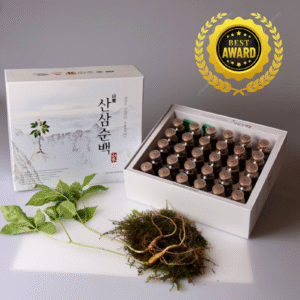
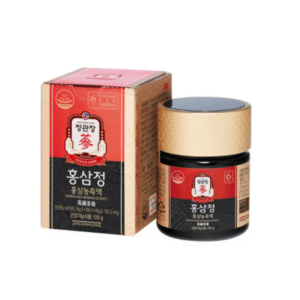
For readers seeking premium quality, standardized products, choosing trusted sources is essential. High-quality Korean ginseng products are carefully cultivated, tested, and formulated to meet international safety standards. When combined with expert guidance, they may support long-term cardiovascular wellness naturally and responsibly.
🇰🇷 Premium Korean Ginseng Online Shop