Introduction
Ginseng for blood flow support has gained increasing attention in both traditional herbal medicine and modern clinical research. For centuries, ginseng has been used in East Asian medical systems to promote vitality, circulation, and overall cardiovascular balance. Today, scientific studies are exploring how specific compounds in ginseng may support healthy blood circulation, vascular function, and endothelial health. This article provides an evidence-based, medically responsible discussion of how ginseng may help support blood flow, while also addressing safety, dosage considerations, and clinical limitations.
Importantly, this content is for educational purposes only and is not a substitute for professional medical advice.
Understanding Blood Flow and Circulatory Health
Healthy blood flow is essential for delivering oxygen, nutrients, and hormones to tissues throughout the body. When circulation is impaired, it can affect energy levels, physical performance, and overall cardiovascular wellness.
Key factors that influence blood flow include:
- Vascular tone and elasticity
- Endothelial function (the health of blood vessel lining)
- Nitric oxide production
- Blood viscosity and platelet activity
As people age, or when lifestyle risk factors are present, circulatory efficiency may decline. Therefore, nutritional and botanical strategies that support vascular health are often explored as complementary approaches.
What Is Ginseng? A Clinical Overview
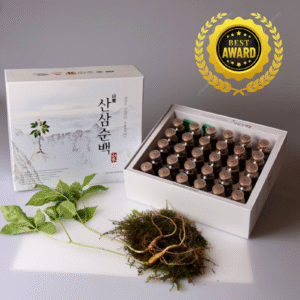
Ginseng refers primarily to the roots of Panax ginseng (Korean ginseng) and Panax quinquefolius (American ginseng). Among these, Korean ginseng is the most studied for circulation-related benefits.
Active compounds in ginseng:
- Ginsenosides (Rb1, Rg1, Rg3, and others)
- Polysaccharides
- Peptides and polyacetylenes
Ginsenosides are considered the primary bioactive components responsible for ginseng’s physiological effects. Research published in PubMed and NIH-backed journals suggests that these compounds may influence vascular signaling pathways.
How Ginseng for Blood Flow Support Works Scientifically
1. Supports Nitric Oxide Production
Nitric oxide (NO) plays a central role in vasodilation. It helps blood vessels relax, improving circulation. Several studies indicate that ginsenosides may stimulate endothelial nitric oxide synthase (eNOS).
- Improved vasodilation
- Enhanced endothelial responsiveness
- Better oxygen delivery to tissues
A review published in Journal of Ginseng Research highlights ginseng’s role in NO-mediated vascular relaxation.
Source: https://www.ncbi.nlm.nih.gov/pmc/articles/PMC5452225/
2. Supports Endothelial Function
The endothelium regulates blood vessel tone and inflammation. Oxidative stress can impair this function. Ginseng’s antioxidant properties may help protect endothelial cells.
- Reduces oxidative stress markers
- Supports vascular integrity
- Helps maintain normal blood vessel elasticity
The World Health Organization (WHO) recognizes ginseng as a traditional herbal medicine with adaptogenic properties.
Clinical Evidence on Ginseng and Circulation
Human Studies and Observations
Several controlled trials have examined ginseng’s effects on circulation-related parameters.
Key findings include:
- Improved peripheral circulation markers
- Support for healthy blood pressure ranges (not a treatment)
- Enhanced exercise-related blood flow response
A randomized trial published in Atherosclerosis Journal observed improved arterial stiffness markers after ginseng supplementation.
Source: https://pubmed.ncbi.nlm.nih.gov/25011793/
However, researchers emphasize that results vary depending on dosage, extract standardization, and individual health status.
Additional Health Benefits Linked to Circulatory Support
While the main focus is ginseng for blood flow support, circulation is interconnected with other body systems.
Related benefits under investigation:
- Physical endurance and reduced fatigue
- Cognitive alertness linked to cerebral blood flow
- Support for metabolic efficiency
These effects are considered supportive, not therapeutic. Ginseng should not be positioned as a cure or treatment for cardiovascular disease.
Who May Consider Ginseng for Blood Flow Support?
Ginseng may be considered by adults who:
- Experience occasional cold extremities
- Seek circulatory support during aging
- Want to maintain active lifestyles
However, it is not suitable for everyone.
Individuals who should consult a healthcare professional first:
- People with cardiovascular conditions
- Those taking blood thinners or blood pressure medication
- Pregnant or breastfeeding women
The National Institutes of Health (NIH) advises caution with herbal supplements due to possible interactions.
Source: https://www.nccih.nih.gov/health/ginseng
Dosage, Forms, and Quality Considerations
Common Forms of Ginseng:
- Whole root
- Capsules or tablets
- Liquid extracts
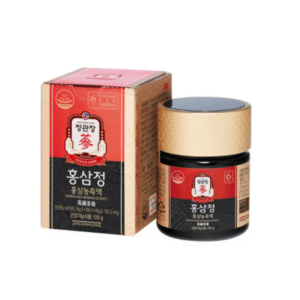
- Red ginseng concentrates
Evidence-based dosage ranges:
- 200–400 mg standardized extract daily
- Follow manufacturer guidelines and clinical studies
Quality is critical. Look for:
- Standardized ginsenoside content
- Third-party testing
- Transparent sourcing
Korean red ginseng is often preferred due to its extensive clinical research background.
Safety, Side Effects, and Medical Disclaimer
Ginseng is generally well tolerated when used appropriately. Mild side effects may include:
- Digestive discomfort
- Headache
- Sleep disturbances
Serious adverse effects are rare but possible with misuse or high doses.
Medical Disclaimer:
This article is for informational purposes only and does not replace medical advice. Always consult a licensed healthcare provider before starting any herbal supplement, especially for circulatory or cardiovascular concerns.
Frequently Asked Questions (FAQ)
Is ginseng clinically proven to improve blood circulation?
Research suggests supportive effects on vascular function, but it is not a medical treatment.
How long does ginseng take to show effects?
Most studies observe effects after 4–8 weeks of consistent use.
Can ginseng replace prescription medication?
No. Ginseng should never replace prescribed cardiovascular treatments.
Is Korean ginseng better than other types?
Korean ginseng is the most studied for circulation-related benefits.
Conclusion: Choosing Ginseng Responsibly
Scientific research increasingly supports the traditional use of ginseng for blood flow support as part of a balanced wellness approach. By supporting nitric oxide production, endothelial health, and antioxidant defense, ginseng may help maintain healthy circulation when used responsibly.
For best results, choose high-quality, standardized Korean ginseng products from trusted suppliers. When combined with a healthy lifestyle, professional guidance, and informed use, ginseng can be a valuable addition to circulatory wellness strategies.
If you are seeking premium-quality products with verified sourcing and safety standards, explore trusted Korean ginseng specialists that align tradition with modern science.
🇰🇷 Premium Korean Ginseng Online Shop