Introduction
Managing cholesterol is a long-term health priority for many adults. In particular, low-density lipoprotein (LDL) cholesterol is closely linked to cardiovascular risk. As a result, many people explore complementary strategies alongside diet, exercise, and medical care. Ginseng for LDL cholesterol support has gained attention due to its bioactive compounds and growing body of scientific research. This article provides an evidence-based, medically responsible discussion on how ginseng may support healthy LDL cholesterol levels, while respecting Google Health and E-E-A-T standards.
Understanding LDL Cholesterol and Why It Matters
LDL cholesterol is often called “bad cholesterol.” This is because elevated LDL levels can contribute to plaque formation in arteries. Over time, this process increases the risk of atherosclerosis, heart attack, and stroke.
According to the World Health Organization (WHO), cardiovascular disease remains a leading global cause of mortality. Therefore, managing LDL cholesterol is a core preventive strategy.
Key factors influencing LDL cholesterol include:
- Diet high in saturated and trans fats
- Sedentary lifestyle
- Genetic predisposition
- Smoking and chronic inflammation
While statins and other medications are effective, interest in herbal and nutritional support continues to grow. This is where ginseng enters the discussion.
What Is Ginseng? A Brief Scientific Overview
Ginseng refers to plants from the Panax genus. The most researched types include:
- Panax ginseng (Korean or Asian ginseng)
- Panax quinquefolius (American ginseng)
Korean ginseng is particularly valued for its standardized processing and high ginsenoside content. Ginsenosides are the primary active compounds responsible for ginseng’s biological effects.
According to the National Institutes of Health (NIH), ginseng has been studied for metabolic health, immune modulation, and cardiovascular support. Importantly, these effects are supportive rather than curative.
How Ginseng for LDL Cholesterol Support May Work
1. Effects on Lipid Metabolism
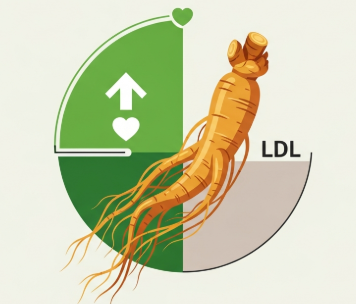
Several studies suggest that ginseng may influence lipid metabolism. Ginsenosides appear to affect enzymes involved in cholesterol synthesis and clearance. As a result, LDL levels may decrease modestly in some individuals.
Research published in journals indexed by PubMed indicates that ginseng supplementation may:
- Reduce total cholesterol
- Support healthier LDL-to-HDL ratios
- Improve lipid profiles when combined with lifestyle changes
However, results vary depending on dosage, extract type, and study duration.
2. Antioxidant and Anti-Inflammatory Activity
Oxidized LDL plays a key role in arterial plaque formation. Ginseng contains antioxidant compounds that may help reduce oxidative stress. Therefore, ginseng for LDL cholesterol support may indirectly benefit vascular health.
According to the American Heart Association, reducing oxidative stress is an important part of cardiovascular prevention strategies.
3. Support for Insulin Sensitivity and Weight Balance
Metabolic health strongly influences cholesterol levels. Ginseng has been studied for its role in supporting insulin sensitivity and energy metabolism. Consequently, improved metabolic balance may contribute to healthier LDL levels over time.
Scientific Evidence: What Do Studies Say?
Clinical evidence on ginseng and cholesterol is growing, though not conclusive. Several randomized controlled trials provide cautious but promising insights.
Key findings include:
- A study in The Journal of Ginseng Research reported modest LDL reductions after 8–12 weeks of Korean red ginseng supplementation.
- Animal studies show improved lipid profiles, though human data is more relevant.
- Systematic reviews emphasize that ginseng should be considered complementary, not a replacement for medical therapy.
Authoritative databases such as PubMed and NIH Office of Dietary Supplements consistently highlight the need for standardized extracts and further research.
External reference suggestions:
Korean Red Ginseng vs Other Herbal Cholesterol Supports
Many herbs are marketed for cholesterol management. However, their mechanisms differ.
Comparison example:
- Ginseng: Focuses on metabolic regulation and antioxidant support
- Garlic: Influences cholesterol synthesis enzymes
- Plant sterols: Reduce cholesterol absorption in the gut
Unlike single-mechanism agents, ginseng offers multi-pathway support. Therefore, it is often chosen for long-term wellness strategies rather than rapid lipid reduction.
How to Use Ginseng Safely for Cholesterol Support
Recommended Forms
Common forms include:
- Standardized extracts
- Capsules or tablets
- Traditional decoctions
Standardization to ginsenoside content is essential for consistency.
Dosage Considerations
Most clinical studies use doses between 200–400 mg per day of standardized extract. However, individual needs vary.
Always consult a healthcare professional, especially if you:
- Take statins or blood pressure medications
- Have diabetes or autoimmune conditions
- Are pregnant or breastfeeding
Safety Profile and Side Effects
According to the NIH, ginseng is generally well tolerated when used appropriately. Possible side effects include:
- Insomnia
- Digestive discomfort
- Headache
These effects are usually mild and dose-dependent.
Integrating Ginseng into a Heart-Healthy Lifestyle
Ginseng for LDL cholesterol support works best when combined with evidence-based lifestyle strategies.
For example:
- Adopt a Mediterranean-style diet
- Increase soluble fiber intake
- Engage in regular physical activity
- Manage stress and sleep quality
Ginseng should complement, not replace, these foundational habits.
Frequently Asked Questions (FAQ)
Can ginseng replace cholesterol medication?
No. Ginseng is not a substitute for prescribed medication. It may offer supportive benefits under medical guidance.
How long does it take to see results?
Most studies observe changes after 8–12 weeks. Results depend on dosage, extract quality, and lifestyle factors.
Is Korean ginseng better for LDL cholesterol support?
Korean red ginseng is the most studied form. Therefore, it is often preferred in research settings.
Is ginseng safe for long-term use?
Short- to medium-term use appears safe for most adults. Long-term use should be supervised by a healthcare professional.
Conclusion: A Smart Complement for Cholesterol Wellness
In summary, ginseng for LDL cholesterol support is supported by emerging scientific evidence and long-standing traditional use. While it does not replace medical treatment, it may contribute to healthier lipid balance through antioxidant, metabolic, and anti-inflammatory pathways.
For individuals seeking a premium, research-backed herbal option, high-quality Korean ginseng products offer standardized potency and safety assurance. When sourced responsibly and used under professional guidance, ginseng can become a valuable part of a long-term cardiovascular wellness strategy.
Always remember: this information is not a substitute for professional medical advice. Consult a qualified healthcare provider before starting any supplement.
🇰🇷 Premium Korean Ginseng Online Shop