Introduction
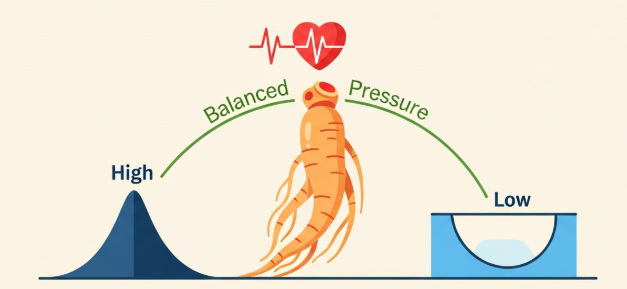
High blood pressure remains one of the most common cardiovascular risk factors worldwide. As a result, many people now explore complementary approaches alongside medical care. Ginseng for healthy blood pressure has attracted scientific interest because of its bioactive compounds and long history in traditional medicine. This article reviews the evidence, safety profile, and practical considerations of ginseng, using an evidence-based and medically responsible approach.
Important note: This article is for educational purposes only and is not a substitute for professional medical advice, diagnosis, or treatment.
Understanding Blood Pressure and Why It Matters
Blood pressure reflects the force of blood against artery walls. When levels remain elevated, the heart and blood vessels experience continuous strain. Over time, this increases the risk of heart attack, stroke, kidney disease, and vision loss.
According to the World Health Organization (WHO), hypertension affects more than one billion adults globally. Moreover, many individuals remain undiagnosed. Therefore, prevention and lifestyle support play a crucial role.
Key factors influencing blood pressure include:
- Sodium intake
- Body weight and physical activity
- Stress and sleep quality
- Genetics and age
Because lifestyle changes are foundational, interest in supportive botanicals such as ginseng continues to grow.
What Is Ginseng? A Scientific Overview
Ginseng refers to plants in the Panax genus. The most studied type is Panax ginseng, also known as Korean or Asian ginseng. Its root contains active compounds called ginsenosides, which influence vascular and metabolic pathways.
Traditionally, ginseng has been used to support:
- Energy and fatigue resistance
- Cognitive performance
- Immune modulation
- Stress adaptation
Today, modern research focuses on its potential cardiovascular effects, including vascular tone and endothelial function.
How Ginseng May Support Blood Pressure Regulation
Mechanisms Explained
Research suggests several biological mechanisms through which ginseng may help maintain normal blood pressure levels:
- Nitric oxide modulation: Ginsenosides may enhance nitric oxide production, supporting healthy blood vessel relaxation.
- Antioxidant activity: Ginseng reduces oxidative stress, which contributes to arterial stiffness.
- Stress response balance: Adaptogenic properties may lower stress-related blood pressure spikes.
Because hypertension has multiple causes, these combined effects are clinically relevant.
What the Research Says
Several human and animal studies have examined ginseng’s cardiovascular impact:
- A randomized controlled trial published in the Journal of Human Hypertension reported modest improvements in systolic blood pressure among healthy adults.
- Research indexed on PubMed indicates improved endothelial function after standardized ginseng supplementation.
- The National Institutes of Health (NIH) acknowledges ginseng’s vascular effects, while emphasizing the need for further trials.
External sources for further reading:
https://pubmed.ncbi.nlm.nih.gov
https://www.nih.gov
https://www.who.int
Importantly, ginseng does not replace antihypertensive medication. Instead, it may offer supportive benefits when used responsibly.
Ginseng for Healthy Blood Pressure: What Makes Korean Ginseng Different?
Korean red ginseng undergoes steaming and drying. This process alters its ginsenoside profile, potentially enhancing bioavailability.
Compared with other varieties:
- American ginseng (Panax quinquefolius) is more calming.
- Korean ginseng (Panax ginseng) is more stimulating and extensively researched for circulation.
Therefore, Korean ginseng is often selected when discussing ginseng for healthy blood pressure, especially in middle-aged adults.
Proper Dosage, Forms, and Usage Guidelines
Common Forms
Ginseng is available in several forms:
- Capsules or tablets (standardized extracts)
- Powdered root
- Herbal teas
- Liquid extracts
Standardized extracts are preferred for consistent dosing.
Typical Dosage Range
Clinical studies often use:
- 200–400 mg per day of standardized extract
- Taken for 8–12 weeks
However, individual needs vary. Consequently, consultation with a healthcare provider is essential.
Best Practices
To use ginseng safely:
- Take it earlier in the day to avoid sleep disruption.
- Start with a lower dose.
- Avoid combining with stimulants without guidance.
Safety, Side Effects, and Drug Interactions
Although generally well tolerated, ginseng is not suitable for everyone.
Possible Side Effects
- Headache
- Insomnia
- Digestive discomfort
- Nervousness in sensitive individuals
Potential Interactions
Ginseng may interact with:
- Blood pressure medications
- Blood thinners such as warfarin
- Diabetes medications
The NIH Office of Dietary Supplements recommends medical supervision, especially for people with chronic conditions.
Who May Benefit Most from Ginseng?
Ginseng may be appropriate for:
- Adults with borderline or stress-related blood pressure elevations
- Individuals seeking cardiovascular wellness support
- People experiencing fatigue linked to lifestyle stress
However, it is not recommended for:
- Pregnant or breastfeeding women
- Individuals with uncontrolled hypertension
- People with hormone-sensitive conditions
Therefore, professional guidance remains critical.
Lifestyle Synergy: Maximizing Results Naturally
Ginseng works best as part of a comprehensive lifestyle plan. Consider combining it with:
- A DASH-style eating pattern
- Regular aerobic exercise
- Sodium reduction
- Stress management practices
When these factors align, botanical support becomes more meaningful.
Frequently Asked Questions (FAQ)
Can ginseng lower high blood pressure naturally?
Ginseng may support normal blood pressure through vascular and antioxidant mechanisms. However, it does not replace medical treatment.
How long does ginseng take to show effects?
Most studies observe changes after 8–12 weeks of consistent use.
Is ginseng safe with blood pressure medication?
Sometimes. However, interactions are possible. Always consult a healthcare professional.
Which ginseng is best for cardiovascular health?
Korean red ginseng is the most studied for circulation and vascular support.
Can I take ginseng daily?
Yes, when used within recommended doses and under professional guidance.
Conclusion: Making an Informed Choice
Scientific evidence suggests that ginseng for healthy blood pressure may offer supportive benefits when used responsibly. Its antioxidant, vascular, and stress-modulating effects align with modern cardiovascular prevention strategies. Nevertheless, safety and medical oversight remain essential.
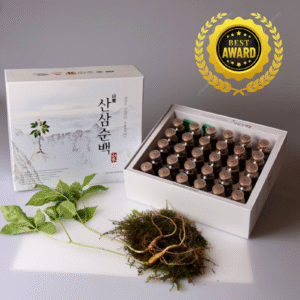
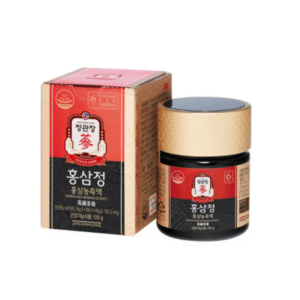
If you seek a high-quality herbal supplement rooted in tradition and science, premium Korean ginseng products offer standardized quality and traceable sourcing. When combined with healthy lifestyle habits, ginseng can become a valuable part of your wellness journey.
🇰🇷 Premium Korean Ginseng Online Shop