Introduction
Erectile dysfunction (ED) is a common men’s health issue with complex origins. Understanding the causes of ED is essential for prevention, early intervention, and effective treatment. Although ED becomes more common with age, it is not an inevitable part of aging. Instead, it often reflects underlying medical conditions, lifestyle habits, hormonal imbalances, or psychological stressors. Therefore, identifying the root causes helps men protect both sexual performance and long-term cardiovascular health.
This article explains the causes of ED using evidence-based medical data and clinical research. It also explores supportive nutritional and herbal strategies, including Korean ginseng, within safe and responsible health guidelines.
What Is Erectile Dysfunction?
Erectile dysfunction is defined as the persistent inability to achieve or maintain an erection sufficient for satisfactory sexual performance. According to the National Institutes of Health (NIH), ED affects more than 30 million men in the United States alone. Importantly, ED is often an early warning sign of systemic health problems rather than an isolated sexual issue.
Primary Causes of ED
1. Vascular and Cardiovascular Causes of ED
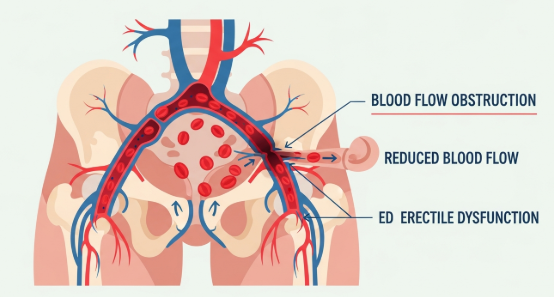
One of the most common causes of ED involves impaired blood flow. An erection depends on healthy arteries and proper endothelial function.
Key vascular factors include:
- Atherosclerosis (plaque buildup in arteries)
- High blood pressure
- High cholesterol
- Coronary artery disease
Because penile arteries are smaller than coronary arteries, reduced blood flow often appears earlier as ED. For this reason, the American Heart Association recognizes ED as a potential early marker of cardiovascular disease.
Scientific reference:
https://www.heart.org/en/health-topics/erectile-dysfunction-and-heart-disease
2. Hormonal Imbalances and ED
Hormones play a crucial role in sexual desire and erectile function. Low testosterone, also called hypogonadism, is a well-established contributor to ED.
Hormonal-related causes of ED include:
- Low testosterone levels
- Thyroid disorders
- Elevated prolactin
- Insulin resistance
Testosterone supports nitric oxide production, which relaxes blood vessels. Therefore, reduced hormone levels can impair both libido and erection quality.
NIH reference:
https://www.ncbi.nlm.nih.gov/books/NBK279031/
3. Neurological Causes of ED
Nerve signaling between the brain and the penis must function properly for an erection. Damage to these pathways can disrupt erectile response.
Common neurological causes of ED:
- Diabetes-related neuropathy
- Stroke
- Parkinson’s disease
- Spinal cord injuries
- Multiple sclerosis
Diabetes is especially important. Chronic high blood sugar damages nerves and blood vessels simultaneously, which explains why diabetic men have higher ED prevalence.
PubMed reference:
https://pubmed.ncbi.nlm.nih.gov/30353229/
4. Psychological and Emotional Causes of ED
Mental health strongly influences sexual performance. While physical causes are common, psychological factors can independently cause or worsen ED.
Psychological causes include:
- Chronic stress
- Anxiety and performance anxiety
- Depression
- Relationship conflict
- Trauma
Stress increases cortisol, which interferes with testosterone and nitric oxide signaling. Moreover, anxiety creates a feedback loop that reinforces ED symptoms.
WHO mental health overview:
https://www.who.int/health-topics/mental-health
5. Lifestyle-Related Causes of ED
Lifestyle choices directly affect vascular health, hormone balance, and nerve function. Therefore, they are major modifiable causes of ED.
Key lifestyle contributors:
- Smoking
- Excessive alcohol consumption
- Obesity
- Sedentary behavior
- Poor sleep quality
Smoking damages blood vessels and reduces nitric oxide availability. Meanwhile, obesity increases inflammation and estrogen levels, which suppress testosterone.
CDC reference:
https://www.cdc.gov/chronicdisease/resources/publications/factsheets/erectile-dysfunction.htm
Medications and Medical Treatments That Cause ED
Certain prescription drugs list ED as a side effect. These medications may interfere with blood flow, nerve signaling, or hormone balance.
Common drug-related causes of ED:
- Antihypertensives (beta-blockers, diuretics)
- Antidepressants (SSRIs)
- Antiandrogens
- Chemotherapy drugs
Men should never stop medications without medical guidance. Instead, physicians can adjust dosages or explore alternatives.
Can Herbal Medicine Support ED Management?
Herbal medicine does not replace medical treatment. However, some herbs may support erectile function when used responsibly.
Korean Ginseng and Male Sexual Health
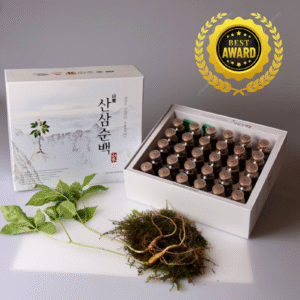
Korean red ginseng (Panax ginseng) is one of the most studied herbs for male vitality. Research suggests it may support erectile function by improving nitric oxide synthesis and reducing oxidative stress.
Potential benefits include:
- Improved endothelial function
- Enhanced energy metabolism
- Reduced fatigue and stress
A systematic review published in The Journal of Sexual Medicine reported modest improvements in erectile function with standardized ginseng extracts.
PubMed reference:
https://pubmed.ncbi.nlm.nih.gov/20807339/
Importantly, ginseng does not act like pharmaceutical drugs. Instead, it supports overall physiological resilience.
When to See a Doctor
ED lasting longer than three months requires medical evaluation. Because the causes of ED often involve systemic disease, early diagnosis can prevent serious complications.
Seek professional care if ED occurs with:
- Chest pain
- Shortness of breath
- Fatigue
- Sudden hormonal changes
This article is for educational purposes only and is not a substitute for professional medical advice. Always consult a licensed healthcare provider.
Frequently Asked Questions (FAQ)
What are the most common causes of ED?
The most common causes of ED include cardiovascular disease, diabetes, hormonal imbalance, psychological stress, and unhealthy lifestyle habits.
Can ED be reversed naturally?
Some causes of ED improve with lifestyle changes, stress management, and nutritional support. However, medical evaluation remains essential.
Is ED a normal part of aging?
Aging increases risk, but ED is not inevitable. Many older men maintain normal erectile function with good health.
Does ginseng cure ED?
No. Ginseng may support sexual health, but it does not cure ED. It should complement, not replace, medical care.
Conclusion
Understanding the causes of ED empowers men to take control of their health. ED is often a signal, not a failure. It reflects vascular health, hormonal balance, mental well-being, and lifestyle quality. Therefore, addressing ED improves more than sexual performance—it improves overall longevity.
Also read: Ginseng for Men’s Vitality: Evidence-Based Benefits, Safety, and How It Works
Alongside medical guidance, evidence-based herbal support like premium Korean ginseng can be a valuable part of a holistic wellness strategy. When sourced responsibly and used correctly, ginseng supports energy, circulation, and vitality. For men seeking long-term solutions, investing in high-quality ginseng products is a proactive step toward better health and confidence.
🇰🇷 Premium Korean Ginseng Online Shop