Introduction
Decreased vitality due to diabetes is a common yet often underrecognized concern among people living with type 1 or type 2 diabetes. Many individuals report persistent fatigue, reduced physical stamina, mental fog, and lower motivation. Importantly, these symptoms do not stem from aging alone. Instead, they reflect complex metabolic, vascular, hormonal, and inflammatory changes linked to chronic hyperglycemia. Therefore, understanding the medical causes and safe support strategies is essential for long-term well-being.
This article provides a science-based explanation of why vitality declines in diabetes and explores evidence-supported lifestyle and herbal options, including Korean ginseng, within a safe and responsible framework.
Understanding Vitality in a Medical Context
Vitality refers to sustained physical energy, mental clarity, and the ability to perform daily activities without excessive fatigue. Clinically, vitality depends on:
- Efficient glucose metabolism
- Healthy mitochondrial function
- Balanced hormones
- Adequate blood circulation
- Controlled inflammation
When diabetes disrupts these systems, vitality often declines. As a result, patients may experience exhaustion despite adequate rest.
Why Decreased Vitality Due to Diabetes Occurs
Decreased vitality due to diabetes develops from multiple interrelated mechanisms. Rather than a single cause, it reflects cumulative physiological stress.
1. Impaired Cellular Energy Production
Glucose is the body’s main energy source. However, insulin resistance prevents glucose from entering cells efficiently. Consequently, cells experience energy starvation even when blood glucose remains high.
According to the National Institutes of Health (NIH), insulin resistance reduces mitochondrial efficiency and ATP production, which directly contributes to fatigue.
Source: https://www.ncbi.nlm.nih.gov/pmc/articles/PMC5452224/
2. Chronic Low-Grade Inflammation
Diabetes is associated with elevated inflammatory markers such as C-reactive protein and interleukin-6. Over time, inflammation interferes with neuromuscular signaling and muscle recovery. Therefore, physical endurance declines.
The World Health Organization (WHO) recognizes inflammation as a contributor to diabetes-related fatigue and functional impairment.
Source: https://www.who.int/news-room/fact-sheets/detail/diabetes
3. Hormonal Dysregulation
Poor glycemic control affects cortisol, testosterone, estrogen, and thyroid hormones. As a result, patients may experience:
- Low motivation
- Reduced muscle strength
- Mental fatigue
Importantly, these hormonal shifts further worsen insulin resistance, creating a vicious cycle.
4. Reduced Blood Flow and Oxygen Delivery
Diabetes damages endothelial cells lining blood vessels. Consequently, microcirculation becomes impaired. Less oxygen reaches muscles and the brain, leading to weakness and cognitive fatigue.
Research published in Diabetes Care confirms that vascular dysfunction plays a central role in reduced physical performance.
Source: https://diabetesjournals.org/care
Clinical Symptoms Associated With Reduced Vitality
Patients experiencing decreased vitality often report overlapping symptoms, including:
- Persistent daytime fatigue
- Difficulty concentrating
- Muscle weakness
- Reduced exercise tolerance
- Slow recovery after physical activity
Although these symptoms vary, they significantly affect quality of life.
Lifestyle Strategies That Support Energy in Diabetes
Before considering supplements, evidence-based lifestyle interventions remain foundational.
Nutrition Optimization
Balanced meals stabilize blood glucose and improve cellular energy. Focus on:
- Low-glycemic carbohydrates
- Lean protein
- Healthy fats
- Adequate micronutrients
The American Diabetes Association emphasizes consistent meal timing and nutrient density.
Source: https://diabetes.org/healthy-living
Physical Activity
Regular moderate exercise improves insulin sensitivity and mitochondrial efficiency. Even 30 minutes of brisk walking improves perceived energy levels.
Sleep and Stress Management
Sleep deprivation worsens insulin resistance. Meanwhile, chronic stress elevates cortisol. Therefore, sleep hygiene and stress reduction remain critical.
Role of Herbal Medicine in Supporting Vitality
Traditional herbal medicine has long focused on restoring systemic balance. However, modern use must align with clinical evidence and safety standards.
Korean Ginseng (Panax ginseng): Scientific Overview
Korean ginseng contains active compounds called ginsenosides. These compounds have been studied for metabolic and adaptogenic properties.
According to reviews indexed in PubMed, ginseng may:
- Support glucose metabolism
- Improve fatigue resistance
- Enhance mitochondrial activity
- Modulate inflammatory pathways
Source: https://pubmed.ncbi.nlm.nih.gov/32768960/
Importantly, ginseng does not replace diabetes treatment. Instead, it may support overall vitality when used responsibly.
How Ginseng May Relate to Decreased Vitality Due to Diabetes
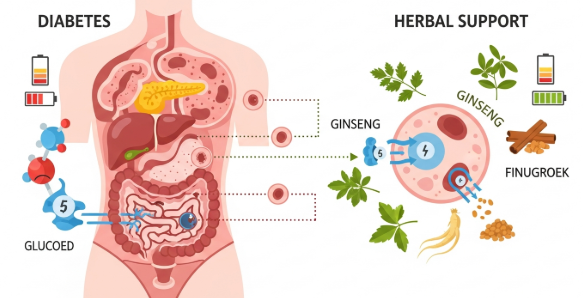
Research suggests that standardized ginseng extracts may support energy by:
- Improving insulin sensitivity
- Enhancing nitric oxide-mediated blood flow
- Supporting stress adaptation
Therefore, ginseng addresses several underlying contributors to decreased vitality due to diabetes without making disease claims.
Safety and Clinical Considerations
While generally well-tolerated, ginseng may interact with medications, including insulin and anticoagulants. Therefore:
- Consult a healthcare professional first
- Use standardized, high-quality products
- Avoid excessive dosages
The NIH advises caution and professional guidance.
Source: https://www.nccih.nih.gov/health/asian-ginseng
Frequently Asked Questions (FAQ)
Is decreased vitality due to diabetes common?
Yes. Fatigue and low energy are frequently reported among people with diabetes, especially when glucose control is inconsistent.
Can supplements replace diabetes medication?
No. Supplements do not replace prescribed treatments. They may serve as supportive measures under medical supervision.
Is Korean ginseng safe for people with diabetes?
When standardized and properly dosed, Korean ginseng is generally considered safe. However, medical consultation is essential.
How long does it take to notice vitality improvements?
Lifestyle changes may show benefits within weeks. Herbal support varies by individual response.
Conclusion: Supporting Energy Through Science and Tradition
Decreased vitality due to diabetes reflects complex physiological disruptions rather than inevitable decline. Fortunately, evidence-based strategies can support energy, resilience, and daily performance. While nutrition, movement, and medical care remain primary, high-quality herbal support such as Korean ginseng offers a scientifically studied complementary option.
Read also: Ginseng Benefits for Men’s Vitality and Stamina: Scientific Evidence, Safety, and How It Works
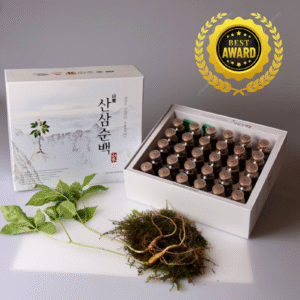
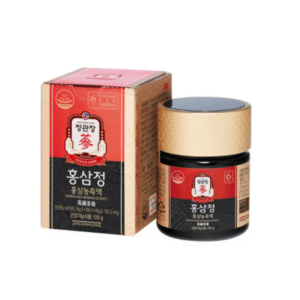
For individuals seeking a trusted source, choosing premium, standardized Korean ginseng products ensures quality, safety, and consistency. When integrated responsibly, ginseng aligns with both traditional wisdom and modern research, supporting vitality without compromising medical care.
🇰🇷 Premium Korean Ginseng Online Shop