Introduction
Maintaining cardiovascular wellness is one of the most important investments adults can make in their long-term health. These heart health tips for adults are grounded in medical evidence, nutritional science, and responsible herbal medicine. Moreover, they are designed to help you reduce risk factors, improve daily vitality, and support healthy aging. As heart disease remains the leading cause of death worldwide, proactive prevention is no longer optional—it is essential.
Importantly, heart health is influenced by lifestyle, diet, stress management, and metabolic balance. Therefore, understanding how these elements interact allows adults to take informed, sustainable action. This article provides comprehensive, science-backed guidance aligned with Google Health and E-E-A-T standards.
Medical disclaimer: This article is for educational purposes only and is not a substitute for professional medical advice. Always consult a qualified healthcare provider before making health or supplement decisions.
Why Heart Health Matters More After Age 30
As adults enter their 30s, subtle physiological changes begin to affect the cardiovascular system. For instance, arterial elasticity gradually declines, and metabolic efficiency may decrease. Consequently, blood pressure, cholesterol levels, and blood sugar often rise without obvious symptoms.
According to the World Health Organization (WHO), cardiovascular disease accounts for nearly 32% of global deaths each year. Many of these cases are preventable through lifestyle modification and early intervention. Therefore, adopting structured heart health tips for adults can significantly lower lifetime risk.
Key age-related cardiovascular risk factors include:
- Sedentary behavior
- Poor dietary patterns
- Chronic psychological stress
- Smoking and excessive alcohol intake
- Insulin resistance and obesity
Because these factors often accumulate silently, preventive action is critical.
Evidence-Based Nutrition for Cardiovascular Protection
Focus on Whole, Anti-Inflammatory Foods
Diet plays a central role in heart health. In fact, research consistently shows that dietary patterns rich in whole foods reduce cardiovascular events. The American Heart Association (AHA) strongly recommends diets emphasizing fruits, vegetables, whole grains, and healthy fats.
Key dietary principles include:
- Increase fiber intake: Soluble fiber helps lower LDL cholesterol.
- Choose healthy fats: Omega-3 fatty acids from fish and nuts support arterial health.
- Limit refined sugars: Excess sugar increases triglycerides and inflammation.
Moreover, replacing processed foods with whole options improves endothelial function, which directly affects blood flow.
Authoritative sources:
https://www.heart.org
https://www.ncbi.nlm.nih.gov/pmc/articles/PMC5452224/
Physical Activity: A Cornerstone of Heart Health
How Much Exercise Do Adults Really Need?
Regular physical activity strengthens the heart muscle and improves circulation. According to the Centers for Disease Control and Prevention (CDC), adults should aim for:
- At least 150 minutes of moderate-intensity aerobic activity per week, or
- 75 minutes of vigorous-intensity activity, plus
- Muscle-strengthening activities twice weekly
Importantly, consistency matters more than intensity. Even brisk walking can significantly reduce cardiovascular risk when performed regularly.
Additionally, exercise improves insulin sensitivity and reduces systemic inflammation. Therefore, it complements dietary strategies effectively.
Stress, Sleep, and the Heart–Mind Connection
Chronic Stress as a Hidden Cardiac Risk
Stress activates the hypothalamic-pituitary-adrenal (HPA) axis, increasing cortisol and blood pressure. Over time, this contributes to arterial damage and arrhythmias. The National Institutes of Health (NIH) recognizes chronic stress as a modifiable cardiovascular risk factor.
Practical stress-reduction strategies include:
- Mindfulness-based meditation
- Controlled breathing exercises
- Regular physical movement
- Adequate sleep hygiene
Furthermore, adults who sleep fewer than six hours per night have a higher incidence of hypertension and coronary artery disease.
Supporting research:
https://www.nih.gov
https://pubmed.ncbi.nlm.nih.gov/32413159/
Herbal Medicine and Heart Health: What Science Supports
Korean Ginseng as a Cardiovascular Support Herb
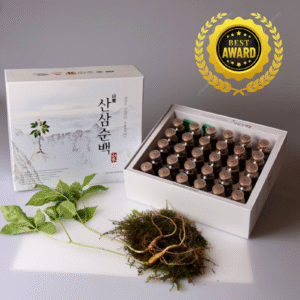
Within evidence-based herbal medicine, Panax ginseng (Korean ginseng) has gained attention for its cardiometabolic benefits. Clinical studies suggest that ginsenosides—the active compounds in ginseng—may support:
- Healthy blood circulation
- Endothelial nitric oxide production
- Stress adaptation and energy balance
A systematic review published in Journal of Ginseng Research reports that Korean ginseng may help improve lipid profiles and reduce oxidative stress when used responsibly.
However, it is crucial to emphasize that ginseng is supportive, not curative. Therefore, it should complement—not replace—medical treatment.
Scientific references:
https://www.ncbi.nlm.nih.gov/pmc/articles/PMC5452224/
https://pubmed.ncbi.nlm.nih.gov/31122550/
Managing Blood Pressure and Cholesterol Naturally
Lifestyle First, Medication When Needed
High blood pressure and dyslipidemia are primary contributors to heart disease. Fortunately, lifestyle changes can significantly improve both markers.
Effective strategies include:
- Reducing sodium intake below 2,300 mg per day
- Increasing potassium-rich foods such as leafy greens
- Maintaining a healthy body weight
- Avoiding tobacco exposure
In addition, herbal adaptogens like Korean ginseng may support vascular tone under professional guidance. Nonetheless, adults should always consult a healthcare provider before combining herbs with prescription medication.
Heart Health Tips for Adults in Daily Life
Integrating heart-healthy habits into daily routines ensures long-term success. These heart health tips for adults are practical, sustainable, and evidence-based:
- Schedule regular health screenings
- Prepare meals at home more often
- Walk after meals to support glucose control
- Limit ultra-processed foods
- Consider clinically studied herbal supplements
By making small, consistent changes, adults can dramatically improve cardiovascular resilience.
Frequently Asked Questions (FAQ)
Is Korean ginseng safe for heart health?
When used appropriately, Korean ginseng is generally safe for healthy adults. However, individuals with hypertension or on medication should consult a doctor first.
How often should adults check heart health markers?
Most adults should check blood pressure annually and lipid profiles every 4–6 years, or more frequently if risk factors exist.
Can lifestyle changes really prevent heart disease?
Yes. Large population studies confirm that diet, exercise, and stress management significantly reduce cardiovascular events.
Are supplements enough to protect the heart?
No. Supplements support health but cannot replace a balanced diet, physical activity, or medical care.
Conclusion: Invest in Your Heart, Invest in Your Future
Your heart works tirelessly every second of your life. Therefore, caring for it is an act of long-term self-respect and responsibility. By applying these heart health tips for adults, you empower yourself to age with strength, clarity, and vitality.
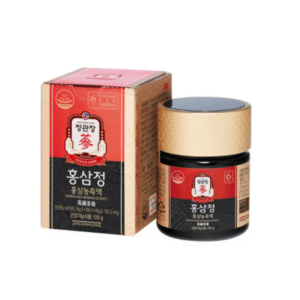
Importantly, combining evidence-based nutrition, movement, stress management, and trusted herbal support creates a holistic foundation for cardiovascular wellness. For adults seeking natural support rooted in centuries of tradition and modern science, premium Korean ginseng offers a meaningful addition to a heart-conscious lifestyle.
Choose health today—so your heart can carry you confidently into tomorrow.
🇰🇷 Premium Korean Ginseng Online Shop