Introduction
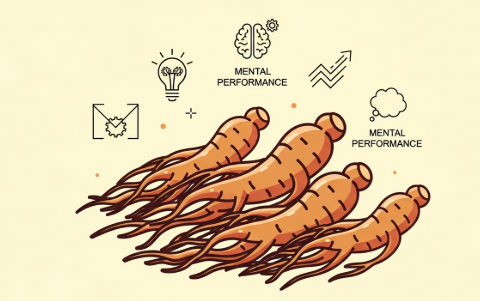
Interest in ginseng for mental performance continues to grow among professionals, students, and aging adults. Many people seek natural ways to support focus, memory, and mental stamina. Ginseng, especially Korean (Panax ginseng), has a long history in traditional medicine. Today, modern science evaluates its cognitive effects with controlled trials and neurobiological research. This article examines the evidence, explains mechanisms, addresses safety, and offers practical guidance grounded in reputable health standards.
What Is Ginseng and Why Korean Ginseng Matters
Ginseng refers to plants in the Panax genus. The most studied varieties are:
- Panax ginseng (Korean or Asian ginseng)
- Panax quinquefolius (American ginseng)
Korean ginseng is unique due to its ginsenoside profile. Ginsenosides are bioactive compounds believed to influence brain signaling, stress responses, and energy metabolism. Moreover, Korean ginseng is traditionally steamed and dried (red ginseng), which alters ginsenoside composition and may enhance biological activity.
Reputable institutions such as the National Institutes of Health (NIH) recognize Panax ginseng as one of the most researched herbal medicines. However, effects depend on dose, extract quality, and individual health status.
How Ginseng for Mental Performance Works in the Brain
Neurochemical and Physiological Pathways
Research suggests several mechanisms that explain how ginseng for mental performance may work:
- Modulation of neurotransmitters
Ginsenosides may influence acetylcholine, dopamine, and serotonin pathways. These neurotransmitters play roles in memory, motivation, and attention. - Improved cerebral blood flow
Some studies show enhanced nitric oxide production, which can support blood circulation in the brain. - Stress adaptation (adaptogenic effect)
Ginseng may help regulate the hypothalamic-pituitary-adrenal (HPA) axis. As a result, mental fatigue under stress may reduce. - Antioxidant and anti-inflammatory activity
Oxidative stress contributes to cognitive decline. Ginsenosides demonstrate antioxidant properties in laboratory and animal models.
These mechanisms align with current neurobiology. Still, benefits are subtle rather than dramatic.
Scientific Evidence: What Clinical Studies Actually Show
Memory, Attention, and Mental Fatigue
Several human trials provide moderate evidence:
- A randomized, double-blind study published in Psychopharmacology reported improved working memory and reaction time after standardized Panax ginseng extract.
- Research indexed on PubMed indicates short-term improvements in attention and calmness, particularly under mental stress.
- A systematic review in Journal of Ginseng Research concluded that ginseng may support cognitive performance, although results vary by dosage and population.
Importantly, most studies emphasize support, not treatment of disease. Ginseng does not cure neurological disorders.
Suggested reading:
https://pubmed.ncbi.nlm.nih.gov
https://www.ncbi.nlm.nih.gov/nih
https://www.who.int
Comparing Ginseng with Other Natural Cognitive Supports
| Supplement | Primary Benefit | Evidence Strength |
|---|---|---|
| Korean ginseng | Mental stamina, stress resilience | Moderate |
| Ginkgo biloba | Blood flow, memory | Moderate |
| Caffeine | Alertness | Strong (short-term) |
| Omega-3 fatty acids | Brain health | Strong (long-term) |
Unlike stimulants, ginseng tends to act gently. Therefore, many users prefer it for sustained mental performance without jitteriness.
Who May Benefit from Ginseng for Mental Performance
Ginseng may be suitable for:
- Professionals facing prolonged mental workload
- Students during examination periods
- Adults experiencing stress-related mental fatigue
- Healthy aging individuals seeking cognitive support
However, people with chronic illnesses should consult healthcare professionals first.
Safety, Dosage, and Responsible Use
General Safety Profile
According to the NIH Office of Dietary Supplements, Panax ginseng is generally well tolerated when used appropriately. Mild side effects may include:
- Headache
- Digestive discomfort
- Sleep disturbance at high doses
Typical Dosage Range
Clinical trials often use:
- 200–400 mg/day of standardized extract (4–7% ginsenosides)
Avoid combining ginseng with stimulants or anticoagulants without medical advice.
Important disclaimer:
This article is for educational purposes only. It is not a substitute for professional medical advice, diagnosis, or treatment.
Choosing High-Quality Korean Ginseng Products
Quality determines outcomes. When selecting a product, look for:
- Standardized ginsenoside content
- Transparent sourcing from Korea
- GMP-certified manufacturing
- Third-party testing
Inferior products may contain insufficient active compounds.
Frequently Asked Questions (FAQ)
Is ginseng for mental performance safe for daily use?
For most healthy adults, moderate daily use is considered safe. Nonetheless, periodic breaks are advisable.
How long does it take to notice cognitive effects?
Some users report effects within one to two weeks. However, results vary.
Can ginseng replace prescription cognitive medication?
No. Ginseng supports general mental performance but does not treat medical conditions.
Is Korean ginseng better than American ginseng?
Korean ginseng tends to be more stimulating, while American ginseng is milder.
Can older adults use ginseng safely?
Many older adults tolerate ginseng well. Medical consultation is still recommended.
Conclusion: Supporting Your Mind Naturally and Responsibly
Mental clarity and focus matter deeply in modern life. Ginseng for mental performance offers a scientifically explored, traditionally respected option for those seeking natural cognitive support. While it is not a miracle solution, high-quality Korean ginseng may gently enhance mental stamina, resilience, and clarity when used responsibly.
If you value your mental energy and long-term brain health, choose authentic Korean ginseng from trusted sources. Your mind deserves nourishment grounded in both tradition and science.
🇰🇷 Premium Korean Ginseng Online Shop