

Introduction
Ginseng for heart health support has gained serious scientific attention in recent years. Many adults now look for natural ways to protect cardiovascular function while reducing long-term health risks. Therefore, researchers have examined ginseng for its effects on blood pressure, cholesterol, inflammation, and circulation. Importantly, this article reviews the evidence with a medical and herbal science lens, not marketing claims. As a result, you will understand what ginseng can realistically do, who may benefit, and how to use it safely.
Heart disease remains the leading global cause of death, according to the World Health Organization (WHO). Consequently, lifestyle interventions and supportive herbal strategies matter more than ever. Ginseng, especially Korean Panax ginseng, has emerged as a promising complementary option when used responsibly.
Understanding Cardiovascular Health and Its Challenges
Cardiovascular health refers to the proper function of the heart and blood vessels. It involves blood pressure regulation, lipid balance, endothelial function, and inflammatory control. When these systems weaken, the risk of heart disease rises.
Common contributors to poor heart health include:
- High blood pressure
- Elevated LDL cholesterol
- Chronic inflammation
- Oxidative stress
- Insulin resistance
- Sedentary lifestyle
Therefore, heart health support often requires a multi-factor approach. Diet, physical activity, stress control, and evidence-based supplements work best together.
What Is Ginseng? A Brief Scientific Overview
Ginseng refers to plants in the Panax genus. The most researched type for cardiovascular effects is Panax ginseng, also called Korean ginseng.
Its primary active compounds are ginsenosides. These bioactive molecules influence nitric oxide production, inflammation pathways, lipid metabolism, and glucose regulation. As a result, ginseng affects several mechanisms linked to cardiovascular risk.
According to the National Institutes of Health (NIH), Panax ginseng is among the most studied herbal medicines worldwide. Notably, its effects depend on dosage, preparation, and duration of use.
Ginseng for Heart Health Support: What Science Says
1. Blood Pressure Regulation
Several clinical studies suggest that ginseng may help regulate blood pressure, especially in people with mild hypertension.
- Ginsenosides improve endothelial nitric oxide production
- Improved nitric oxide supports healthy blood vessel dilation
- Better vessel flexibility reduces vascular resistance
A randomized controlled trial published in Journal of Human Hypertension reported modest reductions in systolic blood pressure with standardized ginseng extract.
However, results vary. Therefore, ginseng should complement, not replace, medical therapy.
2. Cholesterol and Lipid Profile Improvement
Dyslipidemia significantly increases heart disease risk. Interestingly, ginseng may support lipid balance.
Research findings include:
- Reduced LDL oxidation
- Improved HDL functionality
- Lower triglyceride levels in some populations
A systematic review indexed on PubMed indicates that Panax ginseng shows lipid-modulating effects, especially when combined with dietary improvements.
Nevertheless, effects remain moderate. Thus, ginseng works best alongside heart-healthy nutrition.
3. Anti-Inflammatory and Antioxidant Protection
Chronic inflammation damages arterial walls over time. Oxidative stress accelerates plaque formation. Fortunately, ginseng exhibits both anti-inflammatory and antioxidant properties.
Mechanisms include:
- Downregulation of inflammatory cytokines
- Reduction of reactive oxygen species
- Protection of endothelial cells
According to studies published in Nutrients and Oxidative Medicine and Cellular Longevity, ginsenosides help protect vascular tissues from oxidative injury.
4. Circulation and Endothelial Function
Healthy circulation depends on flexible, responsive blood vessels. Ginseng supports microcirculation and endothelial signaling.
Key benefits include:
- Improved blood flow
- Reduced platelet aggregation
- Support for vascular elasticity
As a result, many clinicians view ginseng for heart health support as especially relevant for middle-aged adults with early cardiovascular risk markers.
5. Blood Sugar Control and Heart Risk Reduction
Insulin resistance directly increases cardiovascular risk. Interestingly, Korean ginseng shows glucose-modulating effects.
Evidence suggests:
- Improved insulin sensitivity
- Reduced post-meal glucose spikes
- Lower inflammation linked to metabolic syndrome
The American Diabetes Association acknowledges that glycemic control indirectly supports heart health. Therefore, ginseng’s metabolic effects matter for cardiovascular prevention.
Korean Ginseng vs Other Ginseng Types
Not all ginseng products are equal. Korean red ginseng undergoes steaming, which alters ginsenoside profiles.
Comparison overview:
| Type | Strength | Cardiovascular Evidence |
|---|---|---|
| Korean Red Ginseng | High | Strong |
| American Ginseng | Moderate | Moderate |
| Siberian Ginseng | Different species | Limited |
Therefore, standardized Korean ginseng extracts are preferred for cardiovascular support.
Safety, Dosage, and Medical Considerations
Although ginseng is generally safe, medical guidance remains essential.
Recommended general usage:
- 200–400 mg standardized extract daily
- Cycles of 8–12 weeks with breaks
- Avoid late-day dosing due to stimulation
Important precautions:
- Consult a physician if you take blood pressure or anticoagulant medication
- Avoid during pregnancy unless medically advised
- Discontinue before surgery
According to the NIH Office of Dietary Supplements, adverse effects remain uncommon when used appropriately.
What Major Health Organizations Say
- World Health Organization (WHO): Recognizes Panax ginseng as a traditional medicine with emerging clinical evidence
- NIH: Supports continued research into cardiovascular and metabolic benefits
- PubMed-indexed journals: Report consistent antioxidant and endothelial effects
However, no major authority claims ginseng cures heart disease. This distinction matters.
How to Choose High-Quality Korean Ginseng
Quality determines effectiveness. Therefore, look for:
- Standardized ginsenoside content
- Third-party testing
- Transparent sourcing from Korea
- Minimal fillers or additives
Avoid products with exaggerated claims. Instead, trust brands aligned with clinical research.
Emotional and Practical Conclusion: A Thoughtful Path to Heart Support
Heart health is deeply personal. It reflects years of habits, stress, and choices. While no supplement replaces medical care, ginseng for heart health support offers a scientifically grounded, natural option for those seeking balance and prevention.
Choosing Korean ginseng means choosing tradition supported by modern science. It means caring for your heart today, not after warning signs appear. Most importantly, it means investing in vitality for yourself and those who depend on you.
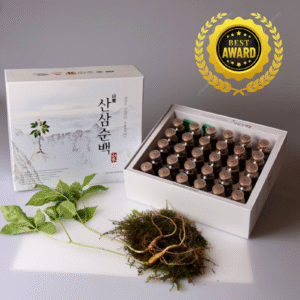
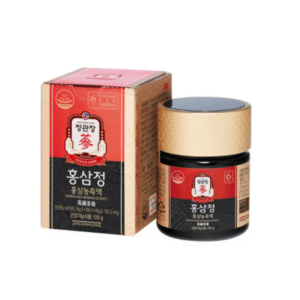
If you are ready to support your heart naturally, responsibly, and confidently, premium Korean ginseng may be the companion your wellness journey deserves.
🇰🇷 Premium Korean Ginseng Online Shop




Medical Disclaimer:
This article is for educational purposes only. It is not a substitute for professional medical advice, diagnosis, or treatment. Always consult a qualified healthcare provider before starting any supplement.