Maintaining stable blood glucose levels is a central pillar of long-term metabolic health. For this reason, interest in natural support strategies continues to grow. A ginseng supplement for blood sugar balance has gained attention among researchers, clinicians, and consumers, particularly when derived from Korean ginseng (Panax ginseng). This article examines the scientific evidence, mechanisms, safety considerations, and practical use of Korean ginseng in supporting healthy blood sugar regulation, while aligning with current medical and nutritional guidelines.
Understanding Blood Sugar Balance and Why It Matters
Blood sugar balance refers to the body’s ability to regulate glucose levels within a healthy range. When glucose control is impaired, it may contribute to insulin resistance, metabolic syndrome, and type 2 diabetes.
According to the World Health Organization (WHO), the global prevalence of diabetes has risen steadily over the past decades, making preventive strategies increasingly important. Lifestyle factors such as diet, physical activity, and weight management remain foundational. However, complementary approaches, including evidence-based herbal supplementation, are now being explored more seriously.
Importantly, natural supplements are not intended to replace medical treatment. Instead, they may provide supportive benefits when used responsibly and under professional guidance.
What Is Korean Ginseng (Panax ginseng)?
Korean ginseng, also known as Asian ginseng, is a perennial plant native to Korea and parts of Northeast Asia. It has been used in traditional Korean and Chinese medicine for over 2,000 years.
The primary active compounds in Korean ginseng are ginsenosides, a diverse group of saponins responsible for many of its biological effects. Modern pharmacological research suggests that these compounds influence glucose metabolism, insulin sensitivity, and inflammation.
Unlike American ginseng (Panax quinquefolius), Korean ginseng is considered more stimulating and metabolically active. As a result, it is often studied for its effects on energy regulation and glycemic control.
How a Ginseng Supplement for Blood Sugar Balance Works
1. Improving Insulin Sensitivity
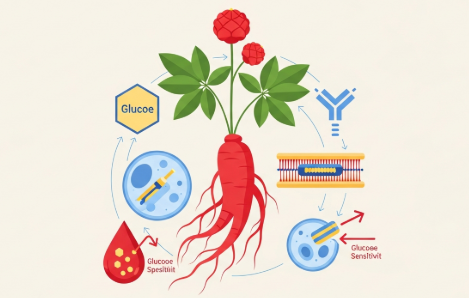
Several studies indicate that ginsenosides may enhance insulin signaling pathways. Improved insulin sensitivity allows glucose to move more efficiently from the bloodstream into cells.
For example, research indexed in PubMed shows that certain ginsenosides activate AMP-activated protein kinase (AMPK), a key enzyme involved in glucose uptake and energy metabolism.
Source: https://pubmed.ncbi.nlm.nih.gov/
2. Supporting Glucose Uptake in Cells
Korean ginseng appears to promote glucose transporter activity, particularly GLUT4, in muscle and adipose tissue. As a result, circulating blood glucose levels may be reduced after meals.
This mechanism is especially relevant for individuals with impaired glucose tolerance.
3. Modulating Inflammation and Oxidative Stress
Chronic low-grade inflammation is closely linked to insulin resistance. Korean ginseng exhibits antioxidant and anti-inflammatory properties, which may indirectly support healthier glucose regulation.
The National Institutes of Health (NIH) acknowledges that oxidative stress plays a role in metabolic disorders, highlighting the relevance of antioxidant-rich interventions.
Source: https://www.nih.gov/
Scientific Evidence Supporting Korean Ginseng
Clinical and preclinical studies provide growing support for the use of a ginseng supplement for blood sugar balance.
Key findings include:
- A randomized controlled trial published in Diabetes Care reported improved postprandial glucose levels in adults consuming Korean ginseng extract.
Source: https://diabetesjournals.org/ - A systematic review in The Journal of Ginseng Research concluded that Panax ginseng shows modest but consistent benefits for fasting blood glucose.
Source: https://www.journals.elsevier.com/journal-of-ginseng-research - Animal studies demonstrate enhanced insulin secretion and reduced hepatic glucose production.
While results are promising, researchers emphasize variability based on dosage, extract standardization, and individual metabolic status.
Who May Benefit Most from Korean Ginseng?
A ginseng supplement for blood sugar balance may be particularly relevant for:
- Adults with prediabetes
- Individuals with insulin resistance
- People experiencing energy fluctuations related to glucose swings
- Those seeking complementary metabolic support alongside diet and exercise
However, people with diagnosed diabetes should never adjust medication or supplementation without consulting a healthcare professional.
Dosage, Forms, and Quality Considerations
Common Supplement Forms
- Standardized extracts (capsules or tablets)
- Powdered root
- Liquid extracts or tonics
Clinical studies often use standardized extracts containing 4–7% ginsenosides, with typical doses ranging from 200–400 mg per day.
Quality Matters
When choosing Korean ginseng, consider the following:
- Clear identification of Panax ginseng
- Standardized ginsenoside content
- Third-party testing
- Reputable manufacturing practices
Low-quality products may lack active compounds or contain contaminants.
Safety, Side Effects, and Precautions
Korean ginseng is generally well tolerated when used appropriately. Nevertheless, some individuals may experience:
- Mild insomnia
- Headache
- Digestive discomfort
- Changes in blood pressure
Additionally, ginseng may interact with:
- Antidiabetic medications
- Anticoagulants
- Stimulants
For this reason, the NIH and other health authorities advise consulting a qualified healthcare provider before starting supplementation.
Source: https://www.nccih.nih.gov/
Medical Disclaimer:
This article is for educational purposes only and does not replace professional medical advice, diagnosis, or treatment.
Comparing Korean Ginseng with Other Natural Options
| Supplement | Primary Action | Evidence Strength |
|---|---|---|
| Korean ginseng | Insulin sensitivity, glucose uptake | Moderate |
| Cinnamon extract | Slows carbohydrate digestion | Moderate |
| Berberine | AMPK activation | Strong |
| Chromium | Insulin function support | Mixed |
Korean ginseng stands out due to its multitarget metabolic effects and long history of traditional use.
Practical Tips for Best Results
To maximize benefits:
- Combine supplementation with balanced meals
- Prioritize fiber and protein intake
- Maintain regular physical activity
- Monitor blood glucose when recommended
Consistency and lifestyle alignment remain essential.
Conclusion: A Natural Ally for Metabolic Health
A ginseng supplement for blood sugar balance, particularly when sourced from premium Korean ginseng, offers a scientifically supported, tradition-backed option for metabolic support. While it is not a cure or replacement for medical care, evidence suggests meaningful benefits when used responsibly.
If you are seeking a natural way to support glucose balance while honoring both modern science and centuries of herbal wisdom, Korean ginseng may be a valuable addition. Choose high-quality products, stay informed, and work with your healthcare provider to make the best decision for your long-term health.
Now is the time to invest in your metabolic well-being with trusted Korean ginseng—where tradition meets evidence.
🇰🇷 Premium Korean Ginseng Online Shop