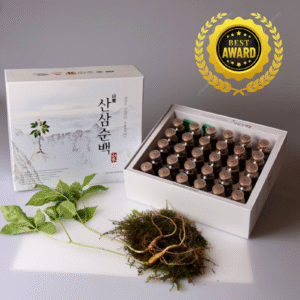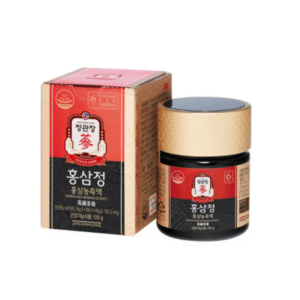
Inflammation is a natural defense mechanism. However, when inflammation becomes chronic, it can contribute to many modern diseases. For this reason, interest in natural anti-inflammatory agents continues to grow. Ginseng for inflammation reduction has gained strong scientific attention due to its bioactive compounds and long history in traditional medicine. This article provides an evidence-based, medically accurate, and authoritative review of how ginseng may help reduce inflammation safely and effectively.
Understanding Inflammation and Why It Matters
Inflammation is the immune system’s response to injury, infection, or harmful stimuli. In acute cases, it supports healing. However, chronic inflammation can persist for months or years. As a result, it may increase the risk of serious health conditions.
Common conditions linked to chronic inflammation include:
- Arthritis and joint disorders
- Cardiovascular disease
- Type 2 diabetes
- Neurodegenerative disorders
- Autoimmune diseases
Therefore, reducing inflammation is not only about symptom relief. It is also about long-term health protection.
What Is Ginseng? A Brief Scientific Overview
Ginseng refers primarily to plants from the Panax genus. The most researched type is Panax ginseng, often called Korean or Asian ginseng. This herb has been used for over 2,000 years in East Asian medicine.
From a scientific perspective, ginseng contains active compounds called ginsenosides. These compounds are responsible for many of its pharmacological effects.
According to the National Center for Complementary and Integrative Health (NCCIH), ginseng has been studied for immune modulation, inflammation control, and metabolic health.
Source: https://www.nccih.nih.gov
How Ginseng Supports Inflammation Reduction
Anti-Inflammatory Mechanisms of Ginsenosides
Modern research shows that ginsenosides interact with several inflammatory pathways. Importantly, they do not suppress the immune system aggressively. Instead, they help regulate it.
Key mechanisms include:
- Inhibition of pro-inflammatory cytokines such as TNF-α and IL-6
- Reduction of NF-κB pathway activation
- Decreased production of inflammatory enzymes like COX-2 and iNOS
Because of these actions, ginseng for inflammation reduction works at the molecular level.
A peer-reviewed review published in Journal of Ginseng Research confirms these effects.
Source: https://pubmed.ncbi.nlm.nih.gov
Scientific Evidence Supporting Ginseng’s Anti-Inflammatory Effects
Clinical and Preclinical Studies
Several studies support the role of ginseng in reducing inflammation:
- Arthritis models: Animal studies show reduced joint swelling and inflammatory markers.
- Metabolic inflammation: Human trials suggest improved inflammatory profiles in people with insulin resistance.
- Neuroinflammation: Laboratory studies indicate protective effects on brain cells.
For example, a study published in Frontiers in Pharmacology demonstrated that Korean red ginseng significantly reduced systemic inflammation markers.
Source: https://www.frontiersin.org
While results are promising, researchers emphasize the need for standardized dosing and high-quality products.
Korean Ginseng vs Other Herbal Anti-Inflammatories
Many herbs claim anti-inflammatory benefits. However, Korean ginseng stands out due to its depth of research.
| Herb | Key Active Compounds | Evidence Strength | Safety Profile |
|---|---|---|---|
| Korean Ginseng | Ginsenosides | Strong | High when used properly |
| Turmeric | Curcumin | Strong | Moderate bioavailability |
| Ginger | Gingerols | Moderate | Generally safe |
| Boswellia | Boswellic acids | Moderate | Generally safe |
Compared to others, ginseng offers systemic benefits beyond inflammation. Therefore, it supports overall resilience.
Conditions That May Benefit from Ginseng for Inflammation Reduction
Joint and Musculoskeletal Health
Inflammation plays a central role in arthritis. Research suggests ginseng may help reduce joint discomfort by modulating inflammatory responses.
Cardiovascular Inflammation
Chronic vascular inflammation contributes to heart disease. Studies indicate ginseng may improve endothelial function while reducing inflammatory stress.
Metabolic and Immune-Related Inflammation
Low-grade inflammation is common in obesity and metabolic syndrome. Ginseng may help rebalance immune signaling in these conditions.
However, ginseng is not a replacement for medical treatment. Always consult a healthcare professional.
Safety, Dosage, and Responsible Use
Is Ginseng Safe?
According to the World Health Organization (WHO), Panax ginseng is generally safe when used appropriately.
Source: https://www.who.int
Possible mild side effects include:
- Insomnia if taken late in the day
- Digestive discomfort in sensitive individuals
- Interaction with blood thinners or diabetes medications
Recommended Dosage
Clinical studies often use:
- 200–400 mg of standardized ginseng extract daily
- Cycles of 8–12 weeks, followed by a break
Quality matters. Therefore, choose products tested for purity and ginsenoside content.
Choosing High-Quality Korean Ginseng Products
Not all ginseng products are equal. To experience the benefits of ginseng for inflammation reduction, product quality is critical.
Look for:
- Korean-grown Panax ginseng
- Standardized ginsenoside content
- Third-party testing and certification
- Transparent labeling
Premium Korean ginseng is often steamed and dried to enhance bioavailability.
Image Suggestions (For SEO Optimization)
Using optimized images improves engagement and search visibility.
- File name: ginseng-for-inflammation-reduction-root.jpg
- Alt Text: Korean ginseng supporting inflammation reduction
- Caption: Korean ginseng root known for anti-inflammatory properties
- Description: High-quality Korean ginseng root traditionally used to support healthy inflammatory responses
Frequently Asked Questions
Can ginseng replace anti-inflammatory medication?
No. Ginseng supports inflammation balance but does not replace prescribed treatments.
How long does it take to see results?
Some people notice benefits within weeks. However, effects vary by individual.
Is Korean ginseng better than American ginseng?
Korean ginseng tends to have stronger stimulating and anti-inflammatory effects due to its ginsenoside profile.
Conclusion: A Natural Path Toward Balance and Vitality
Chronic inflammation quietly affects millions of people worldwide. While modern medicine plays a vital role, nature also offers powerful allies. Ginseng for inflammation reduction stands out due to its deep scientific backing, historical use, and holistic benefits.
By choosing premium Korean ginseng, you are not only supporting inflammation balance. You are investing in long-term vitality, resilience, and quality of life. Let your body experience the wisdom of tradition supported by modern science.
Now is the time to choose purity, authenticity, and evidence-based herbal support.
🇰🇷 Premium Korean Ginseng Online Shop