
Introduction
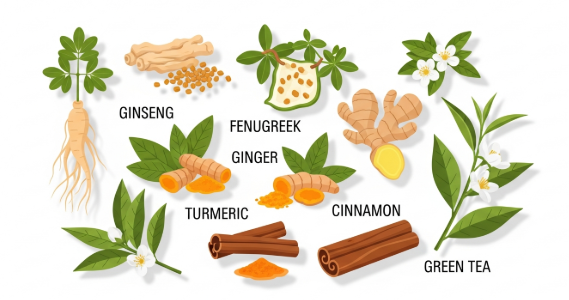
Metabolic health is a foundational aspect of long-term wellbeing, influencing energy levels, weight regulation, cardiovascular risk, and glucose control. In recent years, interest in herbs for metabolic health has increased, especially among individuals seeking complementary, evidence-based approaches to support diet and lifestyle interventions. Importantly, herbal medicine does not replace medical care. Instead, when used appropriately, specific herbs may support metabolic processes through well-documented biochemical pathways.
This article examines scientifically studied herbs that may contribute to metabolic health. It integrates current evidence from reputable institutions such as the National Institutes of Health (NIH), World Health Organization (WHO), and peer-reviewed journals indexed in PubMed. Throughout, safe medical language is used, and exaggerated claims are avoided.
Understanding Metabolic Health From a Medical Perspective
Metabolic health refers to the body’s ability to maintain optimal levels of:
- Blood glucose
- Blood lipids (cholesterol and triglycerides)
- Blood pressure
- Waist circumference and body composition
When these parameters are well regulated, the risk of insulin resistance, type 2 diabetes, metabolic syndrome, and cardiovascular disease is lower. Lifestyle factors, including nutrition, physical activity, sleep, and stress management, remain primary interventions. However, certain medicinal herbs may offer supportive effects.
How Herbs May Support Metabolic Pathways
Many herbs influence metabolic health through well-studied mechanisms. These include:
- Improving insulin sensitivity
- Modulating lipid metabolism
- Reducing chronic low-grade inflammation
- Supporting mitochondrial energy production
- Influencing gut microbiota composition
Because of these actions, herbs for metabolic health are often studied as adjuncts to dietary and clinical management strategies.
Cinnamon (Cinnamomum verum): Blood Sugar Regulation
Cinnamon is among the most researched herbs for glucose metabolism. Several clinical studies suggest that cinnamon may help improve fasting blood glucose and insulin sensitivity.
Proposed mechanisms include:
- Enhanced insulin receptor signaling
- Reduced postprandial glucose absorption
- Modulation of carbohydrate-digesting enzymes
A systematic review published in Diabetes Care and indexed on PubMed reports modest but consistent benefits, particularly in individuals with impaired glucose tolerance. However, cinnamon should not replace prescribed diabetes treatment.
Turmeric (Curcuma longa): Inflammation and Metabolic Balance
Chronic inflammation plays a central role in metabolic dysfunction. Curcumin, the primary bioactive compound in turmeric, has been widely studied for its anti-inflammatory and antioxidant effects.
Evidence-based benefits include:
- Reduction of inflammatory markers such as CRP
- Improved lipid profiles in some populations
- Support for liver metabolic enzymes
According to the NIH National Center for Complementary and Integrative Health (NCCIH), curcumin shows promise, although bioavailability remains a limitation. Formulations combined with piperine are often studied to enhance absorption.
Fenugreek (Trigonella foenum-graecum): Glycemic and Lipid Support
Fenugreek seeds contain soluble fiber and saponins that may influence glucose and lipid metabolism. Clinical trials suggest fenugreek may:
- Reduce post-meal blood glucose spikes
- Improve insulin sensitivity
- Support healthy cholesterol levels
The WHO monographs on medicinal plants recognize fenugreek’s traditional use for metabolic disorders. Nevertheless, gastrointestinal side effects may occur in some individuals.
Berberine-Containing Herbs: Insulin Sensitivity and Lipids
Berberine is an alkaloid found in herbs such as Berberis vulgaris. It has gained scientific attention due to its effects on AMP-activated protein kinase (AMPK), a key metabolic regulator.
Research highlights include:
- Improved insulin sensitivity comparable to some medications
- Reduction in LDL cholesterol and triglycerides
- Support for gut microbiota balance
Studies published in journals like Metabolism and indexed by PubMed emphasize berberine’s potential. However, it may interact with medications and should be used under professional supervision.
Ginger (Zingiber officinale): Energy Expenditure and Weight Support
Ginger is traditionally used for digestive health, yet modern research also links it to metabolic support.
Potential metabolic effects include:
- Enhanced thermogenesis
- Improved insulin sensitivity
- Reduction in inflammatory cytokines
A meta-analysis in Critical Reviews in Food Science and Nutrition suggests ginger may modestly support weight and glycemic parameters when combined with lifestyle changes.
Comparative Overview of Key Herbs
| Herb | Primary Metabolic Action | Evidence Strength |
|---|---|---|
| Cinnamon | Blood glucose regulation | Moderate |
| Turmeric | Inflammation reduction | Moderate–Strong |
| Fenugreek | Glucose and lipid modulation | Moderate |
| Berberine | Insulin sensitivity, lipids | Strong |
| Ginger | Energy balance, inflammation | Moderate |
This table highlights that no single herb addresses all aspects of metabolic health. Instead, combinations guided by clinical context may be considered.
Safety, Dosage, and Clinical Considerations
Although herbs for metabolic health are widely available, safety remains essential. Key considerations include:
- Variability in supplement quality
- Potential herb–drug interactions
- Differences in individual response
The NIH and WHO consistently advise consulting a qualified healthcare professional before initiating herbal supplementation, especially for individuals with diabetes, cardiovascular disease, or those taking prescription medications.
The Role of Diet and Lifestyle Alongside Herbal Support
Herbal interventions are most effective when integrated into a comprehensive metabolic health plan. This includes:
- A balanced, fiber-rich diet
- Regular physical activity
- Adequate sleep
- Stress management
Without these foundations, the benefits of herbal support remain limited.
Brief Note on Korean Ginseng and Metabolic Health
Korean ginseng (Panax ginseng) has been studied for its potential effects on energy metabolism and insulin sensitivity. Some evidence suggests mild benefits through modulation of glucose uptake and stress-related metabolic pathways. However, current research supports its role as a complementary option rather than a primary metabolic therapy. Claims beyond this remain unsupported by strong clinical evidence.
Read also: Ginseng for Blood Sugar Balance: Scientific Evidence, Benefits, and Safe Use
Conclusion
Scientific interest in herbs for metabolic health continues to grow, driven by a need for integrative, evidence-based strategies. Herbs such as cinnamon, turmeric, fenugreek, berberine-containing plants, and ginger demonstrate biologically plausible and clinically studied effects on metabolic pathways. Nonetheless, they are not cures. Responsible use, guided by healthcare professionals and supported by lifestyle interventions, remains essential for safe and effective metabolic support.