
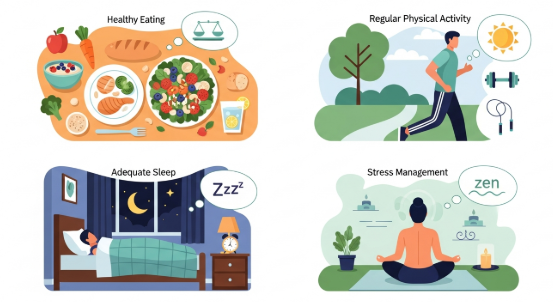
Maintaining healthy blood sugar levels is essential for metabolic stability, cardiovascular protection, and long-term disease prevention. Natural ways to balance blood sugar have gained strong scientific interest because lifestyle-based approaches can reduce insulin resistance and lower the risk of type 2 diabetes. Importantly, these strategies work best when applied consistently and under professional guidance, especially for individuals with prediabetes or diabetes.
This article provides a comprehensive, evidence-based overview of nutritional, lifestyle, and herbal approaches that support stable blood glucose regulation. The recommendations align with guidance from authoritative organizations such as the World Health Organization (WHO), the National Institutes of Health (NIH), and peer-reviewed research indexed in PubMed.
Understanding Blood Sugar Regulation
Blood sugar, or blood glucose, refers to the concentration of glucose circulating in the bloodstream. Glucose is the body’s primary energy source. However, its levels must remain within a narrow range.
When blood sugar rises after meals, the pancreas releases insulin. Insulin allows cells to absorb glucose. Over time, poor diet, chronic stress, and physical inactivity may impair insulin sensitivity. As a result, glucose remains elevated in the blood.
According to the WHO, prolonged high blood sugar increases the risk of diabetes, heart disease, nerve damage, and kidney dysfunction. Therefore, supporting glucose balance through natural interventions is both preventive and therapeutic.
Natural Ways to Balance Blood Sugar Through Diet
Nutrition plays a central role in blood glucose control. Dietary patterns influence insulin sensitivity, post-meal glucose spikes, and long-term metabolic outcomes.
1. Prioritize Low-Glycemic Foods
Low-glycemic foods raise blood sugar slowly and steadily. This reduces insulin demand and improves metabolic stability.
Examples include:
- Whole grains such as oats and barley
- Legumes like lentils and chickpeas
- Non-starchy vegetables
- Berries and apples
Research published in The American Journal of Clinical Nutrition shows that low-glycemic diets improve glycemic control and reduce HbA1c levels.
2. Increase Dietary Fiber Intake
Fiber slows carbohydrate absorption and enhances insulin sensitivity. Soluble fiber is particularly effective.
High-fiber foods include:
- Chia seeds
- Flaxseeds
- Oats
- Beans and peas
The NIH recommends at least 25–38 grams of fiber daily for adults. Meeting this target supports long-term glucose regulation.
3. Balance Macronutrients at Every Meal
Meals containing protein, healthy fats, and complex carbohydrates lead to slower glucose absorption.
For example:
- Combine rice with vegetables and fish
- Add olive oil or avocado to salads
- Pair fruit with nuts or yogurt
Balanced meals are among the most reliable natural ways to balance blood sugar, especially after carbohydrate intake.
The Role of Physical Activity in Glucose Control
Exercise increases glucose uptake by muscle cells, independent of insulin. Therefore, physical activity improves blood sugar control even in insulin-resistant individuals.
Types of Effective Exercise
| Exercise Type | Benefit for Blood Sugar |
|---|---|
| Brisk walking | Lowers post-meal glucose |
| Resistance training | Improves insulin sensitivity |
| High-intensity intervals | Reduces fasting glucose |
| Yoga | Reduces stress-related glucose spikes |
The WHO recommends at least 150 minutes of moderate exercise per week. Even short daily walks after meals can significantly lower postprandial glucose levels.
Stress Management and Sleep Quality
Stress hormones such as cortisol increase blood sugar by stimulating glucose release from the liver. Chronic stress, therefore, disrupts glycemic balance.
Effective Stress-Reduction Strategies
- Mindfulness meditation
- Deep breathing exercises
- Progressive muscle relaxation
- Adequate sleep routines
Studies published in Psychoneuroendocrinology confirm that stress reduction improves insulin sensitivity and fasting glucose levels.
Sleep is equally important. Adults sleeping fewer than six hours per night show higher insulin resistance. Consistent sleep schedules support hormonal balance and metabolic health.
Evidence-Based Herbs and Nutrients for Blood Sugar Support
Certain herbs and micronutrients have demonstrated glucose-lowering effects in clinical studies. These should complement, not replace, medical care.
Cinnamon (Cinnamomum verum)
Cinnamon improves insulin signaling and reduces fasting blood sugar. A meta-analysis in Diabetes Care found modest but consistent benefits.
Magnesium
Magnesium deficiency is linked to insulin resistance. Leafy greens, nuts, and seeds are excellent sources.
Berberine
Berberine activates AMPK, a key metabolic regulator. Research suggests effects comparable to first-line glucose-lowering medications, under supervision.
These compounds support natural ways to balance blood sugar, particularly when combined with diet and exercise.
Gut Health and Blood Sugar Regulation
The gut microbiota influences glucose metabolism, inflammation, and insulin sensitivity. Dysbiosis may worsen metabolic disorders.
Supporting a Healthy Gut
- Consume fermented foods such as yogurt and kimchi
- Increase prebiotic fiber intake
- Limit ultra-processed foods
Research in Nature Reviews Endocrinology highlights the gut microbiome as a target for metabolic disease prevention.
Weight Management and Insulin Sensitivity
Excess visceral fat contributes to insulin resistance. Even modest weight loss improves glycemic control.
Clinical data show that a 5–10% reduction in body weight can significantly lower fasting glucose and HbA1c levels. Sustainable lifestyle changes are more effective than restrictive diets.
Medical Safety and Professional Guidance
While lifestyle-based approaches are effective, they are not substitutes for medical treatment when needed. Individuals taking glucose-lowering medications should consult healthcare professionals before making major dietary or supplement changes.
Organizations such as the American Diabetes Association and the NIH emphasize integrated care that combines lifestyle strategies with medical oversight.
A Note on Korean Ginseng and Blood Sugar
Korean ginseng (Panax ginseng) has been studied for its potential effects on glucose metabolism. Some clinical trials suggest mild improvements in post-meal glucose and insulin sensitivity. However, results remain inconsistent. Therefore, ginseng should be viewed only as a supportive option, not a primary treatment.
Conclusion
Stable blood sugar is foundational to long-term health. Evidence clearly shows that natural ways to balance blood sugar—including balanced nutrition, regular exercise, stress management, and targeted herbal support—can significantly improve metabolic outcomes. These approaches are most effective when personalized and guided by healthcare professionals.
By applying science-backed strategies consistently, individuals can support healthy glucose regulation while reducing the risk of chronic disease.