
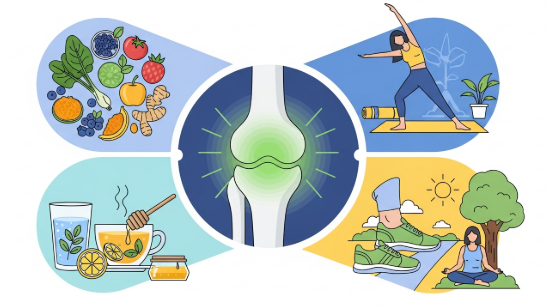
Joint inflammation is a common problem that affects millions of people worldwide. It plays a central role in conditions such as osteoarthritis, rheumatoid arthritis, gout, and chronic overuse injuries. Many people now seek natural ways to reduce joint inflammation because long-term medication use may cause side effects. Fortunately, science supports several non-pharmacological strategies that can help manage inflammation safely and effectively.
This article explains natural, evidence-based approaches to joint inflammation. It integrates nutritional science, lifestyle medicine, and herbal research. All recommendations align with guidance from credible institutions such as the National Institutes of Health (NIH), World Health Organization (WHO), and peer-reviewed journals indexed in PubMed.
Understanding Joint Inflammation: What Happens in the Body?
Joint inflammation occurs when the immune system triggers a protective response. This response involves cytokines, prostaglandins, and inflammatory enzymes. While inflammation helps heal injuries, chronic activation damages cartilage and surrounding tissues.
Common symptoms include:
- Joint pain and stiffness
- Swelling and warmth
- Reduced range of motion
- Morning stiffness lasting more than 30 minutes
Several factors increase inflammatory burden. These include poor diet, obesity, sedentary behavior, chronic stress, and metabolic disorders. Therefore, addressing inflammation requires a whole-body approach rather than symptom suppression alone.
Diet-Based Natural Ways to Reduce Joint Inflammation
Anti-Inflammatory Nutrition: The Foundation of Joint Health
Diet strongly influences inflammatory pathways. Research published in The American Journal of Clinical Nutrition shows that dietary patterns can either amplify or suppress inflammation.
Key anti-inflammatory foods include:
- Fatty fish rich in omega-3 fatty acids
- Colorful fruits and vegetables
- Whole grains and legumes
- Extra virgin olive oil
In contrast, refined carbohydrates and trans fats increase inflammatory markers such as C-reactive protein (CRP).
Omega-3 Fatty Acids and Joint Inflammation
Omega-3 fatty acids reduce inflammation by inhibiting pro-inflammatory eicosanoids. Clinical trials supported by the NIH confirm that EPA and DHA reduce joint pain and stiffness, especially in inflammatory arthritis.
Best dietary sources include:
- Salmon
- Sardines
- Mackerel
- Chia seeds and flaxseeds
Consistent intake improves joint lubrication and cartilage protection.
Spices and Phytochemicals with Anti-Inflammatory Effects
Certain spices provide potent bioactive compounds. Curcumin, found in turmeric, inhibits NF-κB signaling, a key inflammatory pathway. Gingerols in ginger also reduce inflammatory prostaglandins.
Evidence from randomized trials published in Phytotherapy Research supports their role in reducing joint pain. However, absorption matters. Combining turmeric with black pepper enhances curcumin bioavailability.
Lifestyle Interventions That Support Joint Inflammation Reduction
Regular Physical Activity and Joint Mobility
Exercise may seem counterintuitive during joint pain. However, movement reduces inflammation by improving circulation and synovial fluid production.
Recommended low-impact activities include:
- Walking
- Swimming
- Cycling
- Yoga and tai chi
According to the WHO, regular moderate exercise reduces inflammatory biomarkers while improving joint stability.
Weight Management and Inflammatory Load
Adipose tissue releases inflammatory cytokines such as TNF-α and IL-6. Excess weight increases mechanical stress on joints, particularly the knees and hips.
Studies in Arthritis & Rheumatology demonstrate that even modest weight loss significantly reduces joint inflammation and pain. Therefore, sustainable weight management is a critical component of natural joint care.
Sleep and Stress Regulation
Chronic sleep deprivation elevates systemic inflammation. Stress also activates cortisol dysregulation, which worsens immune imbalance.
Evidence-based strategies include:
- Maintaining a consistent sleep schedule
- Practicing mindfulness or breathing exercises
- Reducing screen exposure before bedtime
The NIH emphasizes sleep as a cornerstone of inflammatory disease prevention.
Herbal and Natural Supplements: What Science Supports?
Boswellia Serrata and Joint Health
Boswellia contains boswellic acids that inhibit 5-lipoxygenase, an enzyme involved in inflammation. Clinical studies show reduced pain and improved joint function within weeks.
Glucosamine and Chondroitin: Mixed Evidence
These compounds support cartilage structure. Some trials report modest benefits, while others show minimal effect. According to NIH reviews, benefits may depend on individual response and disease severity.
Collagen Peptides for Cartilage Support
Collagen provides amino acids needed for cartilage repair. Research in Current Medical Research and Opinion suggests collagen supplementation improves joint discomfort when combined with exercise.
Table: Evidence-Based Natural Interventions for Joint Inflammation
| Intervention | Primary Mechanism | Level of Evidence |
|---|---|---|
| Omega-3 fatty acids | Cytokine inhibition | Strong (RCTs) |
| Curcumin | NF-κB suppression | Moderate–Strong |
| Exercise | Reduced CRP, improved mobility | Strong |
| Weight loss | Lower adipokines | Strong |
| Boswellia | Enzyme inhibition | Moderate |
The Gut–Joint Connection and Inflammation
Emerging research highlights the gut microbiome’s role in inflammatory diseases. Dysbiosis increases intestinal permeability, allowing endotoxins to enter circulation.
Probiotic-rich foods such as yogurt, kefir, and fermented vegetables support microbial balance. Fiber intake also promotes short-chain fatty acid production, which reduces systemic inflammation.
PubMed-indexed studies increasingly link gut health with joint symptom severity, particularly in autoimmune arthritis.
Natural Ways to Reduce Joint Inflammation Safely
While natural strategies are effective, safety remains essential. Herbal supplements may interact with medications. Therefore, individuals with chronic disease should consult healthcare professionals before starting new regimens.
Key safety principles include:
- Avoiding megadoses of supplements
- Choosing standardized, third-party-tested products
- Monitoring symptom changes objectively
Evidence-based natural care complements, rather than replaces, medical treatment.
A Brief Note on Korean Ginseng and Joint Inflammation
Korean ginseng contains ginsenosides with mild anti-inflammatory properties. Experimental studies suggest modulation of oxidative stress and immune signaling. However, clinical evidence for joint inflammation remains limited. Therefore, ginseng should be viewed as a supportive option rather than a primary intervention.
Conclusion: Integrating Science-Based Natural Strategies
Natural ways to reduce joint inflammation rely on synergy. Diet, movement, weight control, sleep, and selected herbal support work best together. Scientific evidence supports these strategies when applied consistently and responsibly.
By adopting evidence-based lifestyle changes and consulting qualified healthcare providers, individuals can reduce inflammation, protect joint structure, and improve long-term mobility safely.
Scientific References
- National Institutes of Health (NIH) – Arthritis & Inflammatory Conditions
- World Health Organization (WHO) – Physical Activity Guidelines
- PubMed – Curcumin and Joint Inflammation Studies
- American Journal of Clinical Nutrition
- Arthritis & Rheumatology