
Introduction
Healthy aging support is a central goal of modern preventive medicine and nutritional science. As life expectancy increases worldwide, the focus has shifted toward preserving function, independence, and quality of life rather than simply extending lifespan. According to the World Health Organization (WHO), healthy aging is defined as the process of developing and maintaining the functional ability that enables well-being in older age. Therefore, effective healthy aging support requires an integrated approach that combines nutrition, lifestyle, and evidence-based supplementation while avoiding exaggerated or unproven health claims.
This article explores scientifically grounded strategies for healthy aging support, drawing on research from reputable institutions such as the WHO, National Institutes of Health (NIH), and peer-reviewed journals indexed in PubMed.
Understanding the Biology of Aging
Aging is a complex biological process influenced by genetics, environment, and lifestyle. At the cellular level, aging involves several interconnected mechanisms.
Key Biological Drivers of Aging
- Oxidative stress: An imbalance between free radicals and antioxidants damages cells over time.
- Chronic low-grade inflammation (“inflammaging”): Persistent inflammation accelerates tissue degeneration.
- Mitochondrial dysfunction: Reduced cellular energy production affects muscle, brain, and organ function.
- Hormonal changes: Declines in anabolic hormones impact bone density and muscle mass.
Importantly, these processes are modifiable. Research published in Nature Reviews Molecular Cell Biology shows that nutrition and lifestyle can significantly influence these pathways.
Nutrition as the Foundation of Healthy Aging Support
Nutrition plays a foundational role in healthy aging support. Adequate nutrient intake helps maintain muscle mass, cognitive function, and metabolic health.
Essential Nutrients for Aging Adults
| Nutrient | Role in Aging | Food Sources |
|---|---|---|
| Protein | Preserves muscle mass | Fish, eggs, legumes |
| Omega-3 fatty acids | Supports heart and brain health | Fatty fish, flaxseed |
| Vitamin D | Bone and immune health | Sunlight, fortified foods |
| Calcium | Skeletal strength | Dairy, leafy greens |
| B vitamins | Cognitive and energy metabolism | Whole grains, meat |
According to the NIH, older adults often underconsume protein and micronutrients, which increases frailty risk. Therefore, dietary quality matters as much as calorie intake.
Lifestyle Interventions That Promote Longevity
While nutrition is critical, lifestyle behaviors strongly influence long-term outcomes.
Physical Activity and Functional Health
Regular movement is one of the most powerful tools for healthy aging support. Even moderate activity produces measurable benefits.
- Improves insulin sensitivity
- Maintains bone density
- Enhances balance and mobility
- Reduces cardiovascular risk
The WHO recommends at least 150 minutes of moderate-intensity physical activity per week for older adults.
Sleep and Circadian Health
Sleep quality declines with age. However, adequate sleep remains essential.
Consistent sleep supports:
- Immune regulation
- Cognitive performance
- Hormonal balance
Poor sleep is associated with increased dementia risk, according to studies published in The Lancet Neurology.
Cognitive Health and Brain Aging
Cognitive decline is one of the most common concerns associated with aging. However, brain aging is not inevitable.
Evidence-Based Brain Support Strategies
- Lifelong learning and mental stimulation
- Social engagement
- Adequate omega-3 intake
- Cardiovascular risk management
A large cohort study from Harvard Medical School found that individuals with strong social ties experienced slower cognitive decline. Therefore, mental health and community engagement are integral to healthy aging support.
The Role of Gut Health in Aging
Emerging research highlights the gut microbiome as a key regulator of aging processes.
How Gut Health Influences Aging
- Modulates immune response
- Affects nutrient absorption
- Influences inflammation levels
Dietary fiber, fermented foods, and polyphenol-rich plants support microbial diversity. According to research indexed on PubMed, gut microbiome diversity is associated with better physical function in older adults.
Evidence-Based Supplements for Healthy Aging Support
Supplements may play a supportive role when dietary intake is insufficient. However, they should complement—not replace—healthy habits.
Supplements with Scientific Support
- Vitamin D: Reduces fracture risk in deficient individuals
- Omega-3s: Associated with cardiovascular and cognitive benefits
- Magnesium: Supports muscle and nerve function
Importantly, the NIH emphasizes individualized assessment before supplementation. Excessive or unnecessary use may cause harm.
Herbal Medicine and Aging: A Cautious Perspective
Herbal medicine has a long history in traditional health systems. Some botanicals are being studied for their role in healthy aging support.
Korean Ginseng: Limited but Emerging Evidence
Korean ginseng (Panax ginseng) has been researched for its effects on fatigue, immune modulation, and cognitive function. Small clinical studies suggest potential benefits related to stress resilience and energy metabolism. However, major health organizations caution that evidence remains limited and inconsistent.
According to the National Center for Complementary and Integrative Health (NCCIH), ginseng should not be used as a substitute for medical care. Individuals with chronic conditions or those taking medications should consult a healthcare professional before use.
Comparing Lifestyle vs. Supplement-Based Approaches
| Aspect | Lifestyle Interventions | Supplements |
|---|---|---|
| Evidence strength | Strong | Moderate |
| Long-term impact | High | Supportive |
| Risk level | Low | Variable |
| Personalization | High | Requires guidance |
This comparison highlights why lifestyle strategies remain the cornerstone of healthy aging support.
Safety, Personalization, and Medical Guidance
Healthy aging strategies must be individualized. Age-related needs vary based on genetics, health status, and environment.
Therefore:
- Avoid one-size-fits-all solutions
- Be cautious with anti-aging claims
- Seek guidance from qualified healthcare professionals
The WHO and NIH consistently stress that no supplement or herb can reverse aging. However, informed choices can meaningfully improve health trajectories.
Conclusion
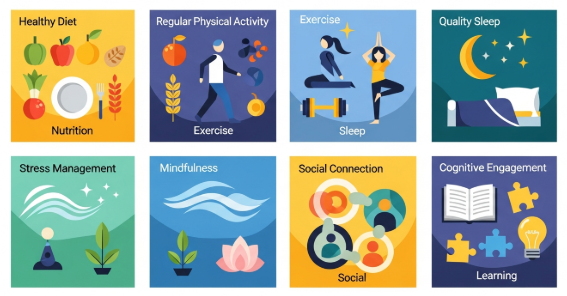
Healthy aging support is best achieved through a comprehensive, evidence-based approach. Balanced nutrition, regular physical activity, cognitive engagement, and adequate sleep form the foundation of longevity and functional independence. Supplements and herbal products may offer additional support in specific contexts, but they should be used cautiously and under professional guidance.
Ultimately, healthy aging is not about avoiding age. Instead, it is about optimizing resilience, vitality, and well-being across the lifespan.
Read also: Ginseng for Healthy Aging: Evidence-Based Benefits, Safety, and How to Use It Wisely