Feeling tired after eating is a common complaint. Many people notice a sudden drop in energy shortly after meals. This experience can disrupt productivity, mood, and daily performance. In some cases, it may signal underlying metabolic or digestive issues. In other cases, it reflects lifestyle and dietary patterns that are easy to adjust.
This article explains why you may feel tired after eating, what science says about blood sugar and digestion, and how herbal approaches—especially Korean ginseng—may support healthier energy regulation when used responsibly.
Why Do You Feel Tired After Eating?
Feeling tired after eating, often called postprandial fatigue, happens when the body shifts into digestion mode. Blood flow increases to the digestive tract. At the same time, hormones involved in metabolism and satiety rise.
However, excessive fatigue is not considered normal. According to metabolic research, persistent post-meal tiredness may reflect blood sugar instability, insulin response issues, or nutrient imbalances.
Common contributing mechanisms include:
- Rapid blood glucose spikes followed by drops
- Excessive insulin release
- Heavy or unbalanced meals
- Poor gut motility
- Chronic stress and inflammation
Understanding the cause is essential before choosing any intervention.
Blood Sugar Imbalance and Post-Meal Fatigue
One of the most studied reasons people feel tired after eating is blood sugar fluctuation.
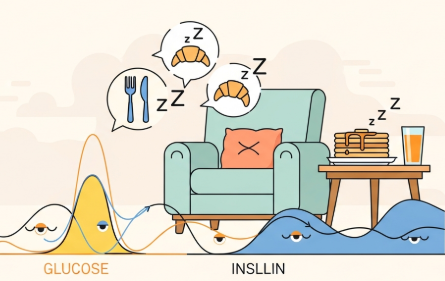
After a meal rich in refined carbohydrates, glucose enters the bloodstream quickly. The pancreas responds by releasing insulin. When this response overshoots, blood sugar can fall too fast. This sudden drop often leads to:
- Sleepiness
- Brain fog
- Weakness
- Food cravings
Research indexed in PubMed shows that reactive hypoglycemia is common in people with insulin resistance or early metabolic dysfunction.
In contrast, meals balanced with fiber, protein, and healthy fats slow glucose absorption. As a result, energy levels remain more stable.
Digestive Load and Nervous System Response
Digestion is an energy-intensive process. Large meals, especially those high in fat, demand significant digestive effort. Consequently, the parasympathetic nervous system becomes dominant.
This state, often called “rest and digest,” promotes calmness and relaxation. However, when digestive capacity is compromised, fatigue becomes excessive.
Factors that worsen digestive-related tiredness include:
- Low stomach acid
- Poor enzyme production
- Food intolerances
- Inflammatory gut conditions
Scientific reviews from the National Institutes of Health confirm that digestive inefficiency can directly affect post-meal energy and cognitive performance.
Hormonal Signals That Increase Sleepiness
Certain hormones released after meals promote satiety and relaxation. These include serotonin and cholecystokinin (CCK). While essential, excessive release may intensify sleepiness.
Meals very high in simple carbohydrates increase tryptophan transport to the brain. This process raises serotonin production. For sensitive individuals, this shift contributes to feeling tired after eating.
Therefore, meal composition matters as much as meal size.
Chronic Stress, Adrenal Load, and Energy Crashes
Chronic stress alters cortisol rhythms. Over time, this dysregulation reduces the body’s ability to maintain stable energy.
When cortisol response is impaired, the body struggles to regulate blood sugar after meals. As a result, fatigue appears more quickly and lasts longer.
The World Health Organization recognizes chronic stress as a contributor to metabolic and cardiovascular disorders. Managing stress is, therefore, part of managing post-meal fatigue.
The Role of Korean Ginseng in Post-Meal Energy
Korean ginseng (Panax ginseng) has been studied for decades for its adaptogenic properties. Adaptogens help the body respond to stress while supporting physiological balance.
Importantly, Korean ginseng has shown potential effects on:
- Glucose metabolism
- Insulin sensitivity
- Cognitive alertness
- Fatigue resistance
Several clinical studies suggest that standardized Korean ginseng extracts may help stabilize blood sugar responses after meals. This stabilization may reduce the likelihood of feeling tired after eating.
Unlike stimulants, ginseng does not force energy production. Instead, it supports regulatory systems involved in energy balance.
Scientific Evidence Supporting Korean Ginseng
A systematic review published in peer-reviewed journals indexed by PubMed indicates that Panax ginseng may modestly improve postprandial glucose control in adults.
Additionally, research supported by NIH-funded studies shows that ginsenosides—the active compounds in Korean ginseng—interact with glucose transporters and insulin signaling pathways.
However, these effects are supportive, not curative. Korean ginseng works best when combined with dietary improvements and medical guidance.
Comparing Korean Ginseng with Other Herbal Options
Several herbs are traditionally used for fatigue. However, not all address post-meal energy regulation.
| Herb | Primary Action | Evidence for Blood Sugar |
|---|---|---|
| Korean ginseng | Adaptogenic, metabolic support | Moderate |
| Green tea | Stimulant, antioxidant | Low |
| Ashwagandha | Stress modulation | Indirect |
| Rhodiola | Mental fatigue | Limited |
Korean ginseng stands out because it targets both stress response and metabolic balance. This dual action is relevant for people who feel tired after eating.
How to Use Korean Ginseng Safely
Proper use is essential. Quality, dosage, and timing matter.
Evidence-based guidelines suggest:
- Choose standardized extracts (3–7% ginsenosides)
- Start with low doses (200–400 mg/day)
- Take earlier in the day
- Avoid combining with strong stimulants
People with diabetes, hypertension, or those taking medication should consult a healthcare professional first.
This article does not replace professional medical advice.
Dietary Strategies to Reduce Post-Meal Fatigue
Herbal support works best alongside nutrition changes.
Effective strategies include:
- Eat smaller, balanced meals
- Combine carbohydrates with protein
- Increase fiber intake
- Avoid sugary drinks
- Chew slowly
These changes reduce digestive stress and stabilize blood sugar.
When to See a Healthcare Professional
Feeling tired after eating occasionally is normal. However, persistent fatigue may indicate:
- Insulin resistance
- Thyroid disorders
- Anemia
- Food intolerances
Medical evaluation is essential in these cases. Always seek professional guidance before starting supplements.
Conclusion: Choosing Korean Ginseng for Sustainable Energy
If you often feel tired after eating, your body may be asking for better balance. Nutrition, stress management, and digestive health all play roles.
Korean ginseng offers a scientifically studied herbal option that supports metabolic regulation and stress adaptation. When chosen carefully and used responsibly, it may help restore steady energy after meals.
Choose products that are standardized, transparently sourced, and tested for quality. Most importantly, listen to your body and work with healthcare professionals.
Your energy matters. Feeling clear, focused, and alive after meals is possible—with the right support.
Ginseng for Low Energy and Tiredness: Scientific Benefits, Safety, and How Korean Ginseng Restores Vitality
🇰🇷 Premium Korean Ginseng Online Shop