Introduction: Understanding a Pancreatitis Sign Early Matters
A pancreatitis sign is often subtle at first, yet it can signal a serious inflammatory condition of the pancreas. Because the pancreas plays a vital role in digestion and blood sugar regulation, early recognition is critical. Many patients delay care because they misunderstand early symptoms. Therefore, understanding each pancreatitis sign helps reduce complications and supports faster recovery. In addition, emerging research suggests that herbal support, including Korean ginseng, may help the body cope with inflammation when used responsibly alongside medical care.
What Is Pancreatitis? A Medical Overview
Pancreatitis is inflammation of the pancreas. It occurs in two main forms: acute and chronic.
- Acute pancreatitis appears suddenly and may resolve with treatment.
- Chronic pancreatitis develops slowly and causes lasting damage.
According to the World Health Organization, pancreatitis is a global health concern due to rising metabolic disease and alcohol-related risk factors. Moreover, the National Institutes of Health explains that untreated inflammation can impair digestion, insulin production, and nutrient absorption.
Because of this, recognizing a pancreatitis sign early can be lifesaving.
Common Pancreatitis Sign You Should Never Ignore
A pancreatitis sign often starts in the abdomen, yet it may affect the whole body. Common warning signals include:
- Severe upper abdominal pain that radiates to the back
- Pain that worsens after eating
- Nausea and persistent vomiting
- Fever and rapid pulse
- Abdominal tenderness
- Unexplained weight loss (more common in chronic cases)
Importantly, pain from a pancreatitis sign does not behave like normal indigestion. Instead, it often intensifies when lying flat and improves when leaning forward.
Early vs. Advanced Pancreatitis Sign: Key Differences
Understanding progression helps guide urgent action.
Early-stage signs
- Mild to moderate abdominal pain
- Temporary digestive discomfort
- Fatigue after meals
Advanced-stage signs
- Constant severe pain
- Oily or foul-smelling stools (steatorrhea)
- Blood sugar instability
- Signs of malnutrition
At this stage, pancreatic tissue damage may already be present. Therefore, early medical evaluation is essential.
What Causes a Pancreatitis Sign to Appear?
Several triggers can initiate pancreatic inflammation. The most common causes include:
- Gallstones blocking pancreatic ducts
- Excessive alcohol consumption
- High triglyceride levels
- Certain medications
- Abdominal trauma
- Autoimmune disorders
Research indexed in PubMed confirms that metabolic stress and oxidative damage worsen pancreatic inflammation. Consequently, supportive strategies that reduce oxidative stress may play a complementary role.
Diagnosis: How Doctors Confirm a Pancreatitis Sign
Doctors never rely on symptoms alone. Diagnosis usually includes:
- Blood tests – Elevated amylase and lipase levels
- Imaging – CT scan or ultrasound
- Medical history – Alcohol intake, gallstones, medications
Because pancreatitis can mimic other abdominal conditions, professional assessment is essential. Self-diagnosis is unsafe.
Medical Treatment Comes First—Always
Standard treatment focuses on:
- Hospital monitoring
- Intravenous fluids
- Pain management
- Nutritional support
- Treating the underlying cause
No herbal remedy replaces this care. However, evidence-based herbal support may assist recovery when approved by a physician.
Korean Ginseng and Pancreatic Health: Scientific Perspective
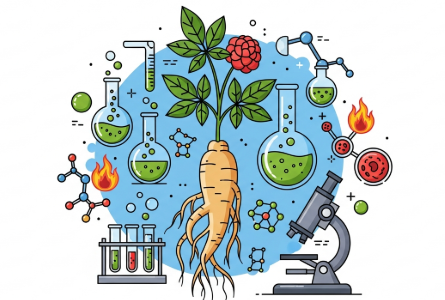
Korean ginseng (Panax ginseng) has a long history in East Asian medicine. Modern research focuses on its bioactive compounds called ginsenosides.
Studies published via PubMed suggest that ginsenosides may:
- Modulate inflammatory pathways
- Reduce oxidative stress
- Support immune balance
Because inflammation underlies every pancreatitis sign, researchers are exploring ginseng’s supportive role. Importantly, ginseng is not a treatment for pancreatitis. Instead, it may support overall metabolic resilience during recovery.
Learn more: Ginseng for Inflammation Reduction: Evidence-Based Benefits, Mechanisms, and Safe Use
How Korean Ginseng May Support Recovery After a Pancreatitis Sign
When inflammation subsides and a doctor approves supplementation, Korean ginseng may help by:
- Supporting energy levels during fatigue
- Assisting immune regulation
- Promoting better stress adaptation
Additionally, ginseng may help stabilize blood sugar, which is often disrupted after pancreatic inflammation. This makes it relevant for long-term digestive and metabolic support.
Safety Considerations and Medical Disclaimer
Korean ginseng is generally safe for healthy adults. However:
- It may interact with blood thinners or diabetes medications
- It is not recommended during acute pancreatitis
- Dosage must follow professional guidance
This article is not a substitute for professional medical advice. Always consult a qualified healthcare provider before using herbal supplements, especially after a pancreatitis sign appears.
How to Choose High-Quality Korean Ginseng Products
Not all ginseng products offer the same quality. To choose safely:
- Look for Panax ginseng C.A. Meyer
- Prefer products standardized for ginsenosides
- Choose reputable Korean producers
- Avoid exaggerated medical claims
- Verify third-party testing
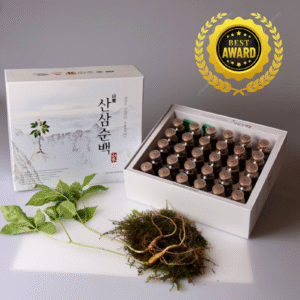
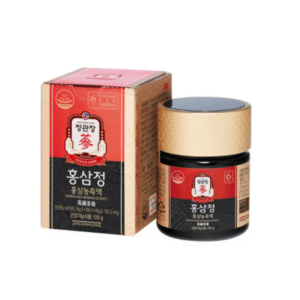
Premium Korean ginseng is traditionally grown for six years. This maturation increases its active compound content.
Conclusion: Act Early, Support Wisely
A pancreatitis sign should never be ignored. Early recognition saves lives and prevents long-term damage. Medical treatment remains the foundation of care. However, after stabilization, evidence-based herbal support may help the body recover.
Korean ginseng stands out as a scientifically studied adaptogen. When chosen carefully and used responsibly, it can support energy, resilience, and metabolic balance. Your health journey deserves both modern medicine and the wisdom of nature—used correctly and safely.
External Authoritative References (Direct URLs):
https://www.who.int
https://www.ncbi.nlm.nih.gov
https://pubmed.ncbi.nlm.nih.gov
🇰🇷 Premium Korean Ginseng Online Shop