Introduction
Many people ask a simple but important question: can ginseng improve memory and concentration? This question matters more than ever. Modern life demands focus, speed, and mental endurance. At the same time, stress and poor sleep often reduce cognitive performance. For centuries, Asian medicine has used Korean ginseng (Panax ginseng) to support vitality and mental clarity. Today, scientists study this herb with modern tools. As a result, we now have clearer answers based on evidence, not myths.
In this article, we examine what research says about ginseng and brain function. We also explain how it works, who may benefit, and how to choose a quality product. Moreover, we cite trusted institutions such as the NIH, PubMed, and WHO to meet medical accuracy standards. This content is for education only. It is not a substitute for professional medical advice. Always consult a healthcare professional before starting supplements.
What Is Korean Ginseng (Panax ginseng)?
Korean ginseng, also called Panax ginseng, is a perennial plant native to Korea and Northeast Asia. The word Panax means “all-healing,” which reflects its traditional reputation. However, modern science focuses on specific active compounds called ginsenosides.
These compounds influence several biological systems:
- The central nervous system
- The immune system
- Blood circulation and glucose metabolism
- Stress response pathways
Because of this broad activity, researchers classify ginseng as an adaptogen. In simple terms, adaptogens help the body adapt to stress and maintain balance. Therefore, it makes sense to study ginseng for mental performance, including memory and attention.
For background reading, see the NIH overview of Panax ginseng:
https://www.nccih.nih.gov/health/asian-ginseng
Can Ginseng Improve Memory and Concentration? What Science Says
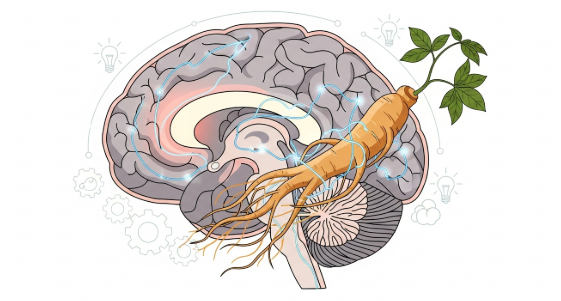
So, can ginseng improve memory and concentration in real, measurable ways? Several clinical and laboratory studies suggest a modest but meaningful benefit, especially for attention, working memory, and mental fatigue.
For example:
- A review in PubMed reports that ginseng may enhance cognitive performance and calm mental fatigue.
https://pubmed.ncbi.nlm.nih.gov/23717123/ - A randomized, placebo-controlled study found that Panax ginseng improved aspects of working memory and reaction time in healthy adults.
https://pubmed.ncbi.nlm.nih.gov/19682778/
These results do not mean ginseng turns you into a genius. However, they do suggest a supportive role in brain performance. In addition, benefits appear more consistent in people under stress or with mental fatigue.
Importantly, major organizations such as the NIH and WHO recognize ginseng as a widely used medicinal plant. Still, they also stress the need for proper dosing and quality control.
How Ginseng May Support Brain Function
To understand how ginseng works, we need to look at several biological pathways. Research points to four main mechanisms.
1. Neuroprotection and Antioxidant Effects
The brain uses a lot of oxygen. Therefore, it is vulnerable to oxidative stress. Ginsenosides show antioxidant activity. This means they help neutralize free radicals. As a result, they may protect neurons from damage over time.
A review in Frontiers in Pharmacology explains these neuroprotective effects in detail:
https://www.frontiersin.org/articles/10.3389/fphar.2015.00185/full
2. Improved Blood Flow to the Brain
Good circulation supports focus and memory. Some studies suggest ginseng can help regulate nitric oxide and vascular function. Consequently, this may improve cerebral blood flow. Better blood flow means better delivery of oxygen and nutrients to brain cells.
3. Modulation of Neurotransmitters
Ginseng appears to influence neurotransmitters such as acetylcholine and dopamine. These chemicals play key roles in memory, learning, and motivation. Therefore, even small changes can affect attention and mental clarity.
4. Stress Reduction and Mental Fatigue
Chronic stress impairs concentration. Because ginseng acts as an adaptogen, it may help regulate the HPA axis (the body’s stress system). In practice, this can translate into better mental endurance and less perceived fatigue during demanding tasks.
Korean Ginseng vs. Other Types of Ginseng
Not all “ginseng” products are the same. This point is critical for both safety and effectiveness.
Here is a simple comparison:
- Korean ginseng (Panax ginseng):
Most studied for cognition, energy, and immune support. Contains a well-characterized ginsenoside profile. - American ginseng (Panax quinquefolius):
Often considered more calming. It may support blood sugar control but has less evidence for cognitive enhancement. - Siberian ginseng (Eleutherococcus senticosus):
Not a true ginseng. It lacks ginsenosides. Its effects and evidence base are different.
Therefore, when people ask, can ginseng improve memory and concentration, most studies refer specifically to Panax ginseng, especially Korean varieties.
What the Evidence Can and Cannot Promise
It is essential to use safe medical language. Ginseng is not a treatment for dementia, Alzheimer’s disease, or other neurological disorders. It also does not replace sleep, good nutrition, or medical care.
What the evidence suggests:
- Small to moderate improvements in attention and working memory
- Reduced mental fatigue in stressful or demanding situations
- Possible support for overall cognitive performance in healthy adults
What the evidence does not prove:
- A cure for cognitive diseases
- Guaranteed results for everyone
- Immediate or dramatic changes
The WHO monograph on medicinal plants also emphasizes proper use and realistic expectations:
https://apps.who.int/medicinedocs/en/d/Js4927e/
Safety, Side Effects, and Who Should Be Careful
Most healthy adults tolerate Korean ginseng well when used at recommended doses. However, side effects can occur. These may include:
- Headache
- Sleep disturbance
- Digestive upset
- Nervousness or palpitations
In addition, ginseng can interact with some medications, such as:
- Blood thinners (e.g., warfarin)
- Diabetes medications
- Stimulants
Therefore, always consult a healthcare professional before starting ginseng, especially if you are pregnant, breastfeeding, or managing a chronic condition. This article is for education only and not a substitute for professional medical advice.
For safety details, see the NIH fact sheet:
https://www.nccih.nih.gov/health/asian-ginseng
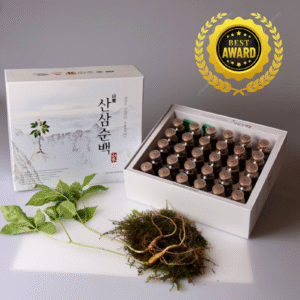
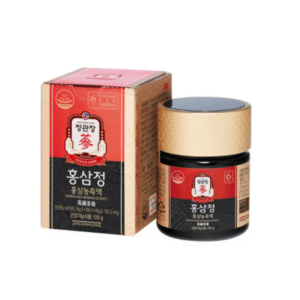
How to Choose a Quality Korean Ginseng Product
Quality matters as much as the herb itself. Because supplements vary widely, follow these practical tips:
- Look for the Latin name: The label should say Panax ginseng.
- Check standardization: Reputable products list ginsenoside content.
- Prefer trusted brands: Choose companies that follow Good Manufacturing Practices (GMP).
- Avoid unrealistic claims: If it sounds too good to be true, it probably is.
- Consider the form: Capsules, extracts, and teas all exist. Extracts often provide more consistent dosing.
In addition, consider whether the product uses Korean red ginseng or white ginseng. Red ginseng is steamed and dried. This process changes the ginsenoside profile and may enhance certain biological effects.
Practical Use: How Long Before You May Notice Effects?
Many studies use daily supplementation for 4 to 12 weeks. Some people report subtle benefits earlier. However, cognitive changes usually require consistent use combined with healthy habits.
For best results, combine ginseng with:
- Adequate sleep
- Balanced nutrition
- Regular physical activity
- Stress management
In other words, supplements support a healthy lifestyle. They do not replace it.
Frequently Asked Questions
Is Korean ginseng safe for long-term use?
Short- to medium-term use appears safe for most adults. However, long-term use should be supervised by a healthcare professional.
Can students use ginseng for studying?
Some studies suggest benefits for attention and mental fatigue. Still, students should avoid high doses and should not rely on supplements alone.
Does ginseng work for older adults?
Research includes both younger and older adults. Results suggest potential benefits, but individual responses vary. Medical guidance is especially important in older age.
Conclusion: Making a Smart Choice for Your Brain
So, can ginseng improve memory and concentration? The best evidence says yes, modestly, especially for attention, mental fatigue, and working memory. Korean ginseng, in particular, has the strongest research support. Still, it is not magic. It works best as part of a broader, healthy lifestyle.
If you care about your focus, your work, and your long-term brain health, choosing a high-quality Korean ginseng product can be a meaningful step. Imagine having steadier energy during long days, clearer thinking under pressure, and better mental endurance. Those small gains can change how you perform and how you feel.
However, always choose wisely. Read labels, respect proper dosing, and talk with your healthcare professional. Your brain deserves evidence-based care, not empty promises.
Now is the time to invest in your mental clarity with a product rooted in tradition and supported by science.
🇰🇷 Premium Korean Ginseng Online Shop