Low sexual desire can affect confidence, relationships, and overall wellbeing. Many people now search for natural remedies for low libido because they want safe, sustainable options. In this guide, you will learn what science says, how lifestyle factors matter, and why Korean ginseng often appears in evidence-based discussions. Most importantly, you will learn how to choose products wisely and when to seek medical advice.
Why Libido Drops: A Clear, Medical View
Libido is not a single switch. Instead, it reflects hormones, brain chemistry, blood flow, mood, sleep, and relationship health. Because of that, causes vary:
- Hormonal changes: Low testosterone, thyroid disorders, or menopause can reduce desire.
- Chronic stress: High cortisol suppresses sexual hormones and blunts reward pathways.
- Poor sleep: Short or fragmented sleep lowers testosterone and raises fatigue.
- Medications: SSRIs, blood pressure drugs, and some pain medicines can reduce desire.
- Medical conditions: Diabetes, cardiovascular disease, and depression often contribute.
Therefore, treatment should be individualized. Moreover, reputable organizations such as the NIH and WHO stress that sexual health is part of overall health. See:
- NIH overview on sexual health: https://www.nichd.nih.gov/health/topics/sexual-health
- WHO sexual health framework: https://www.who.int/teams/sexual-and-reproductive-health-and-research/areas-of-work/sexual-health
Health disclaimer: This article is educational. It is not a substitute for professional medical advice. Always consult a healthcare professional, especially if symptoms persist or worsen.
Where Do “Natural” Options Fit?
People often use “natural” to mean lifestyle steps plus plant-based supplements. That approach can work, but only when grounded in evidence and safety. In other words, natural remedies for low libido should support proven physiology, not replace medical care.
First, address the foundations:
- Sleep 7–9 hours to normalize hormones.
- Exercise regularly, especially resistance training and brisk walking.
- Eat a cardiometabolic diet rich in protein, vegetables, fruit, olive oil, and whole grains.
- Reduce alcohol and stop smoking.
- Manage stress with mindfulness or cognitive behavioral strategies.
These steps improve blood flow, mood, and endocrine balance. Consequently, many people notice better desire without supplements.
Evidence-Based Botanicals: What Actually Has Data?
Several botanicals are studied. However, quality varies. Below is a practical, cautious review.
1) Korean Ginseng (Panax ginseng)
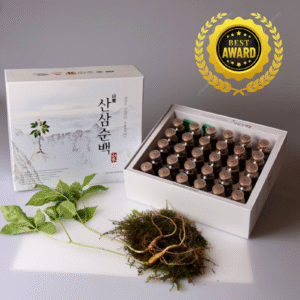
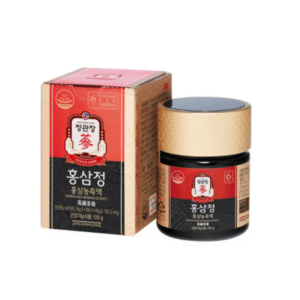
Korean ginseng is the most researched option in this space. Its active compounds, ginsenosides, influence nitric oxide pathways, stress responses, and energy metabolism. Clinical trials suggest benefits for sexual function, fatigue, and perceived vitality.
- Mechanisms:
- Improves endothelial function and blood flow.
- Modulates stress and fatigue pathways.
- Supports central nervous system arousal in a balanced way.
- Evidence:
- Reviews indexed on PubMed report improvements in sexual function scores and fatigue.
PubMed search hub: https://pubmed.ncbi.nlm.nih.gov/?term=panax+ginseng+sexual+function - The NIH Office of Dietary Supplements summarizes safety and uses:
https://ods.od.nih.gov/factsheets/Ginseng-HealthProfessional/
- Reviews indexed on PubMed report improvements in sexual function scores and fatigue.
Because of this, Korean ginseng is often discussed alongside natural remedies for low libido, especially for people with stress-related fatigue. Still, results depend on dose, extract standardization, and product quality.
2) Maca (Lepidium meyenii)
Maca may improve sexual desire without changing hormone levels. Some trials show modest benefits after several weeks. However, product quality varies widely. Look for gelatinized maca and third-party testing.
- NIH overview: https://www.ncbi.nlm.nih.gov/pmc/articles/PMC5452224/
3) Ashwagandha (Withania somnifera)
Ashwagandha reduces stress and may support testosterone in specific groups. Since stress suppresses libido, this indirect path can help. Still, it is not a direct aphrodisiac.
- Review article: https://www.ncbi.nlm.nih.gov/pmc/articles/PMC3252722/
4) Tribulus terrestris
Data are mixed. Some studies show small improvements in desire, while others show no effect. Therefore, it should not be a first choice.
How Korean Ginseng Fits Into a Medical Plan
Korean ginseng works best when paired with lifestyle changes. It is not a quick fix. Instead, think of it as a metabolic and stress-resilience support. For many readers seeking natural remedies for low libido, this means:
- Start with sleep, diet, and exercise.
- Add standardized Korean ginseng for 8–12 weeks.
- Track changes in energy, mood, and desire.
- Reassess with your clinician, especially if you take medications.
Safety notes:
- Avoid if you have uncontrolled hypertension or use warfarin without medical supervision.
- Do not combine with stimulants.
- Choose products tested for heavy metals and adulterants.
Choosing Quality: A Simple Checklist
Not all supplements are equal. Use this checklist before you buy:
- Species clarity: Look for Panax ginseng (Korean ginseng), not “ginseng blend.”
- Standardization: Ginsenosides listed, often 5–10%.
- Third-party testing: NSF, USP, or ISO certificates when available.
- Transparent sourcing: Country of origin and extraction method stated.
- Realistic claims: Avoid products promising “instant” results.
This approach protects your health and your budget. It also aligns with guidance from the NIH Office of Dietary Supplements: https://ods.od.nih.gov/
When Low Libido Signals a Medical Issue
Sometimes, supplements are not enough. You should seek medical advice if:
- Desire drops suddenly or severely.
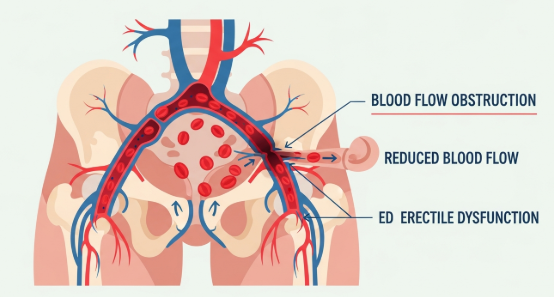
- You have erectile dysfunction, pain, or hormonal symptoms.
- You feel depressed, anxious, or exhausted most days.
- You started a new medication before symptoms began.
Blood tests, medication adjustments, or therapy can make a decisive difference. In fact, guidelines emphasize integrated care. See the Endocrine Society for hormone health: https://www.endocrine.org/patient-engagement/endocrine-library
Practical Comparisons: Lifestyle vs. Supplements
| Approach | What it targets | Speed of effect | Evidence strength |
|---|---|---|---|
| Sleep, exercise, diet | Hormones, blood flow, mood | 2–6 weeks | Strong |
| Stress management | Cortisol, mental focus | 2–8 weeks | Strong |
| Korean ginseng | Energy, blood flow, stress | 4–12 weeks | Moderate to strong |
| Maca, ashwagandha | Stress or desire pathways | 4–12 weeks | Moderate |
| Unverified blends | Unknown | Unpredictable | Weak |
Therefore, combine foundations with one or two evidence-based options. This strategy is safer and more effective.
How to Use Korean Ginseng Responsibly
- Dose: Common clinical ranges are 200–400 mg of standardized extract daily.
- Timing: Morning or early afternoon to avoid sleep disruption.
- Cycle: Use for 8–12 weeks, then reassess.
- Monitor: Note blood pressure, sleep, and mood changes.
Because responses differ, keep expectations realistic. Remember, natural remedies for low libido support physiology. They do not override it.
Conclusion: Make a Confident, Informed Choice
Low desire is common. Yet it is also treatable. Start with sleep, movement, and stress control. Then, consider evidence-based botanicals. Among them, Korean ginseng stands out for its research depth and long clinical history. If you are exploring natural remedies for low libido, choose standardized, tested products and involve your healthcare professional. Your energy, confidence, and intimacy deserve careful, science-guided care.
When you select a premium Korean ginseng product, you are not buying a miracle. Instead, you are investing in a well-studied tool that supports vitality and resilience. Make that choice with clarity, quality, and respect for your health.
🇰🇷 Premium Korean Ginseng Online Shop