Sleep anxiety is a common and exhausting problem. Many people lie in bed with racing thoughts, tight muscles, and a fast heart rate. If this sounds familiar, you are not alone. Sleep anxiety treatment aims to calm the nervous system, restore healthy sleep patterns, and reduce the fear of not sleeping. In recent years, interest has grown in combining evidence-based strategies with traditional herbal options, including Korean ginseng, to support both mental balance and physical resilience.
This article explains sleep anxiety in medical terms, reviews proven treatments, and explores where Korean ginseng may fit. It follows guidance from reputable organizations such as the NIH, WHO, and PubMed. It does not replace medical care. Always consult a qualified healthcare professional before starting any treatment.
What Is Sleep Anxiety?
Sleep anxiety is not a formal diagnosis. Instead, it describes anxiety that centers on sleep. Some people fear not falling asleep. Others worry about waking during the night. Over time, the bed becomes a trigger for stress.
Common features include:
- Racing or intrusive thoughts at bedtime
- Muscle tension or restlessness
- Fast or shallow breathing
- Repeated clock-checking
- Fear of “another bad night”
From a physiological view, anxiety activates the sympathetic nervous system. This system prepares the body for danger. However, sleep needs the opposite state, called parasympathetic dominance. When stress hormones stay high, sleep becomes shallow and fragmented.
According to the National Institute of Mental Health (NIMH), anxiety disorders often coexist with insomnia. You can review their overview here:
https://www.nimh.nih.gov/health/topics/anxiety-disorders
Why Sleep Anxiety Becomes a Vicious Cycle
First, a few bad nights increase worry. Then, worry increases arousal. As a result, arousal blocks sleep. This loop can persist for months.
Several factors keep the cycle going:
- Conditioned arousal: The brain links the bed with stress.
- Hypervigilance: You monitor every sensation.
- Catastrophic thinking: You expect the worst from poor sleep.
- Stress hormones: Cortisol and adrenaline stay elevated.
Research in sleep medicine shows that cognitive and physiological arousal are key drivers of chronic insomnia. A useful review is available on PubMed:
https://pubmed.ncbi.nlm.nih.gov/30176969/
Because of this cycle, effective sleep anxiety treatment must address both the mind and the body.
Evidence-Based Treatments for Sleep Anxiety
Modern medicine offers several proven approaches. Most guidelines recommend combining behavioral strategies with medical evaluation.
1. Cognitive Behavioral Therapy for Insomnia (CBT-I)
CBT-I is the gold standard. It targets thoughts, behaviors, and habits that maintain insomnia.
Key components include:
- Stimulus control: Use the bed only for sleep and intimacy.
- Sleep restriction: Build stronger sleep drive.
- Cognitive restructuring: Challenge fearful thoughts about sleep.
- Relaxation training: Reduce physical arousal.
The American Academy of Sleep Medicine supports CBT-I as first-line therapy. See:
https://aasm.org/clinical-resources/practice-standards/practice-guidelines/
2. Medication (When Appropriate)
Doctors may prescribe short-term medication. Options include certain hypnotics or anxiolytics. However, these are not long-term solutions for most people.
Important points:
- They can cause dependence.
- They may affect sleep architecture.
- They should be used under medical supervision.
The NIH provides patient guidance on insomnia treatments here:
https://www.nhlbi.nih.gov/health/insomnia
3. Lifestyle and Sleep Hygiene
Small changes often bring large benefits. For example:
- Keep a fixed sleep and wake time.
- Avoid caffeine after early afternoon.
- Reduce screen exposure at night.
- Create a cool, dark, and quiet bedroom.
- Use relaxation breathing before bed.
These steps lower baseline arousal. Therefore, they support other therapies.
Where Does Korean Ginseng Fit in Sleep Anxiety Treatment?
Korean ginseng (Panax ginseng) has a long history in East Asian medicine. Traditionally, it is classified as an adaptogen. Adaptogens help the body adapt to stress. Modern research focuses on compounds called ginsenosides.
What the Science Says
Several studies suggest that ginseng can modulate:
- The hypothalamic–pituitary–adrenal (HPA) axis
- Inflammatory pathways
- Neurotransmitter systems related to stress and fatigue
A review in Journal of Ginseng Research discusses these mechanisms:
https://www.ncbi.nlm.nih.gov/pmc/articles/PMC5452220/
Another review in Nutrients highlights potential anti-fatigue and stress-modulating effects:
https://www.ncbi.nlm.nih.gov/pmc/articles/PMC5452225/
However, it is important to be precise. Ginseng is not a sedative. It does not “knock you out.” Instead, it may help regulate stress responses over time. For some people, this can indirectly support better sleep.
How Ginseng May Support Anxious Sleepers
In the context of sleep anxiety treatment, Korean ginseng may:
- Reduce stress-related fatigue
- Support mental resilience during the day
- Improve subjective energy balance
- Help normalize stress hormone patterns
As a result, the nervous system may become more stable. A calmer baseline often makes CBT-I and relaxation techniques more effective.
Still, responses vary. Some people feel more alert if they take ginseng too late in the day. Therefore, timing and dosage matter.
Safety, Dosage, and Who Should Avoid It
The World Health Organization (WHO) recognizes Panax ginseng in its monographs on medicinal plants. You can see a summary here:
https://apps.who.int/iris/handle/10665/42052
General safety points:
- Typical doses range from 200–400 mg of standardized extract daily.
- It is often taken in the morning or early afternoon.
- Side effects may include headache, digestive upset, or insomnia in sensitive people.
You should avoid or seek medical advice if you:
- Are pregnant or breastfeeding
- Have uncontrolled high blood pressure
- Take blood thinners or stimulant medications
- Have a hormone-sensitive condition
Remember, herbal supplements can interact with drugs. Therefore, always discuss use with your doctor or pharmacist.
Comparing Ginseng with Other Natural Options
Many people search for natural aids for anxious sleep. Here is a brief comparison:
- Melatonin: Helps shift circadian rhythm. It is useful for jet lag or delayed sleep phase. It does not treat anxiety itself.
- Magnesium: Supports muscle relaxation and nerve function. Evidence is mixed, but some people benefit.
- Valerian: Has mild sedative effects. Results vary, and some dislike the smell or side effects.
- Korean ginseng: Focuses more on stress adaptation and daytime resilience than direct sedation.
In other words, ginseng works “upstream.” It aims to improve stress handling. Therefore, it can complement, but not replace, core sleep anxiety treatment strategies like CBT-I.
How to Build a Complete, Evidence-Based Plan
For best results, combine several layers of care:
- Medical evaluation to rule out sleep apnea, depression, or thyroid disease.
- CBT-I or structured behavioral therapy for long-term change.
- Daily stress regulation, such as breathing exercises or mindfulness.
- Targeted supplementation, like Korean ginseng, if appropriate.
- Consistent routines that protect your sleep window.
This integrative approach matches current best practice in sleep medicine. It also aligns with guidance from institutions such as the NIH and WHO.
Choosing High-Quality Korean Ginseng Products
Not all ginseng products are equal. Quality depends on species, processing, and standardization.
Look for products that:
- Clearly state Panax ginseng C.A. Meyer
- Provide a standardized ginsenoside content
- Come from reputable Korean producers
- Have third-party quality testing
- Avoid unnecessary fillers or stimulants
Forms you may encounter include:
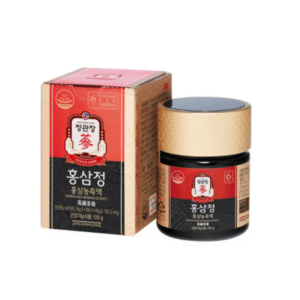
- Red ginseng extract
- Capsules or tablets
- Liquid concentrates
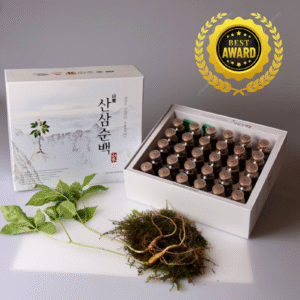
- Traditional sliced root
For people with sleep anxiety, lower doses taken earlier in the day are usually wiser. This reduces the risk of evening overstimulation.
Important Medical Disclaimer
This article is for educational purposes only. It does not replace professional medical advice, diagnosis, or treatment. Sleep anxiety can be linked to serious medical or psychiatric conditions. Always seek guidance from a qualified healthcare professional before starting any new therapy or supplement.
Conclusion: A Balanced Path Toward Calmer Nights
Living with anxious nights is draining. Yet, recovery is possible. Modern sleep anxiety treatment focuses on retraining the brain, calming the nervous system, and restoring confidence in sleep. Cognitive-behavioral methods remain the foundation. However, supportive tools can enhance results.
Korean ginseng does not act as a sleeping pill. Instead, it works in a subtler way. It supports stress adaptation, mental stamina, and physiological balance. For many people, this daytime stability makes nighttime calm easier to achieve.
If you feel trapped in the cycle of worry and poor sleep, take a structured step forward. Talk to a healthcare professional. Build an evidence-based plan. Choose only high-quality, well-sourced products. Your body and mind deserve support that is both safe and effective.
Better sleep is not just about the night. It is about restoring trust in your own nervous system. With the right approach, calm nights can become your new normal.
🇰🇷 Premium Korean Ginseng Online Shop