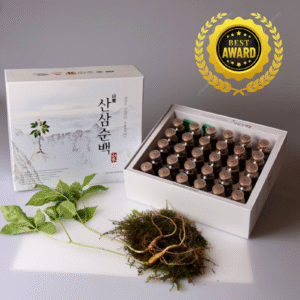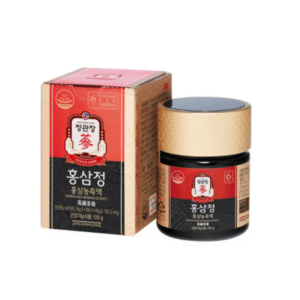
Kidney health is essential for detoxification, fluid balance, and metabolic stability. Many people now ask, can ginseng support kidney health naturally without relying solely on pharmaceutical interventions? Emerging research suggests that Korean ginseng (Panax ginseng) may offer protective effects on renal function when used responsibly and under medical guidance.
As a medical content writer with expertise in herbal pharmacology and evidence-based nutrition, I will examine the scientific literature, clarify mechanisms of action, and explain how Korean ginseng may influence kidney physiology. This article follows current guidelines from reputable institutions such as the National Institutes of Health (NIH) and the World Health Organization (WHO), and it avoids exaggerated claims.
Understanding Kidney Function and Why It Matters
Your kidneys filter approximately 50 gallons of blood daily. They regulate:
- Electrolyte balance
- Blood pressure via the renin-angiotensin system
- Acid-base equilibrium
- Waste elimination (urea, creatinine)
- Hormone production (erythropoietin)
When kidney function declines, toxins accumulate. Chronic kidney disease (CKD) affects over 10% of the global population according to the World Health Organization (WHO) (https://www.who.int/news-room/fact-sheets/detail/kidney-disease).
Oxidative stress and inflammation play major roles in renal damage. Therefore, researchers now investigate plant-based antioxidants as complementary strategies.
What Is Korean Ginseng?

4
Korean ginseng, scientifically known as Panax ginseng, is a traditional adaptogenic herb used for over 2,000 years in East Asian medicine.
Its primary bioactive compounds include:
- Ginsenosides (Rb1, Rg1, Rg3)
- Polysaccharides
- Peptides
- Polyacetylenes
The National Center for Complementary and Integrative Health (NCCIH) notes that ginseng may influence immune function, energy metabolism, and inflammatory pathways (https://www.nccih.nih.gov/health/ginseng).
Importantly, different species have different effects. This article focuses specifically on Korean (Asian) ginseng rather than American ginseng.
Can Ginseng Support Kidney Health Naturally? Mechanisms Explained
1. Antioxidant Protection
Oxidative stress contributes to kidney damage in diabetes, hypertension, and toxin exposure.
Research published in PubMed-indexed journals suggests that ginsenosides:
- Reduce reactive oxygen species (ROS)
- Enhance superoxide dismutase (SOD)
- Protect renal tubular cells
For example, a study available via PubMed (https://pubmed.ncbi.nlm.nih.gov/24065072/) demonstrated that ginsenosides reduced oxidative injury in experimental kidney models.
Therefore, antioxidant activity is one key reason people ask whether can ginseng support kidney health naturally.
2. Anti-Inflammatory Effects
Chronic inflammation accelerates kidney scarring (fibrosis). Ginseng appears to modulate:
- NF-κB signaling
- Pro-inflammatory cytokines (TNF-α, IL-6)
- Macrophage activation
By lowering inflammatory markers, Korean ginseng may help preserve renal tissue integrity.
However, human clinical data remain limited. Most evidence comes from animal or cellular studies.
3. Blood Sugar Regulation and Kidney Protection
Diabetic nephropathy is a leading cause of kidney failure.
Several controlled trials suggest that Panax ginseng may improve:
- Fasting blood glucose
- Insulin sensitivity
- HbA1c levels
A systematic review published in the Journal of Ginseng Research indicates modest glycemic improvements (https://www.sciencedirect.com/science/article/pii/S122684531630051X).
Better blood sugar control may indirectly protect kidney function over time.
4. Blood Pressure Modulation
Hypertension damages the renal microvasculature.
Some studies show that Korean ginseng:
- Improves endothelial function
- Enhances nitric oxide production
- Supports vascular elasticity
However, effects on blood pressure are variable. Therefore, patients with hypertension should consult their physician before use.
Clinical Evidence: What Do Human Studies Show?
While laboratory data are promising, clinical evidence in humans is still developing.
Current findings indicate:
- Possible reduction in proteinuria in small trials
- Improved antioxidant status in CKD patients
- Potential benefit in early diabetic nephropathy
However:
- Large-scale randomized controlled trials are limited
- Long-term renal outcomes remain unclear
The National Institutes of Health (NIH) emphasizes caution when interpreting preliminary herbal data (https://ods.od.nih.gov/factsheets/Ginseng-HealthProfessional/).
Thus, while research is encouraging, ginseng should be considered complementary—not a replacement for medical treatment.
Who May Benefit from Korean Ginseng?
Korean ginseng may be considered under supervision for:
- Individuals with metabolic syndrome
- Patients with early-stage kidney stress
- Adults seeking antioxidant support
- People managing blood sugar fluctuations
It may be less appropriate for:
- Advanced kidney failure patients
- Individuals on immunosuppressants
- Those taking anticoagulants
Always consult a nephrologist or healthcare provider before beginning supplementation.
Safety Profile and Dosage Considerations
According to NCCIH and clinical reviews:
Typical dosage range:
- 200–400 mg standardized extract daily
Possible side effects:
- Insomnia
- Headache
- Gastrointestinal discomfort
- Blood pressure fluctuations
Ginseng may interact with:
- Warfarin
- Insulin
- Antihypertensive medications
Therefore, medical supervision is essential.
Pregnant and breastfeeding women should avoid use unless advised by a healthcare professional.
Choosing High-Quality Korean Ginseng Products


4
Product quality directly affects safety and efficacy.
When selecting Korean ginseng:
- Choose standardized extracts with defined ginsenoside content
- Verify third-party laboratory testing
- Avoid products with artificial fillers
- Prefer products sourced from Korea
- Check for GMP certification
Red ginseng (steamed and dried) often contains altered ginsenoside profiles that may enhance bioactivity.
Practical Ways to Add Korean Ginseng
You can incorporate ginseng through:
- Capsules
- Liquid extracts
- Herbal teas
- Powdered root
Start with a low dose. Monitor how you feel. Adjust under medical guidance.
Consistency matters more than high dosage.
Frequently Asked Question
Can ginseng support kidney health naturally in people with chronic kidney disease?
It may provide antioxidant support in early stages. However, it is not a cure. Advanced CKD patients must consult a nephrologist before use.
Important Medical Disclaimer
This article provides educational information only. It does not replace medical advice. Kidney disease is a serious condition requiring professional diagnosis and treatment. Always consult your healthcare provider before starting any herbal supplement.
Final Thoughts: A Natural Ally for Renal Wellness?
So, can ginseng support kidney health naturally? Current evidence suggests it may offer antioxidant, anti-inflammatory, and metabolic benefits that indirectly protect kidney function. However, it should be viewed as a complementary strategy.
Korean ginseng stands out due to its long traditional use and expanding scientific validation. When sourced properly and used responsibly, it may become part of a holistic kidney wellness plan.
If you value your long-term vitality, choose high-quality Korean ginseng backed by testing and transparency. Your kidneys work for you every day. Supporting them naturally is not just a choice—it is an investment in your future.
Explore premium, authentic Korean ginseng products today and take a confident step toward evidence-based herbal wellness.
🇰🇷 Premium Korean Ginseng Online Shop