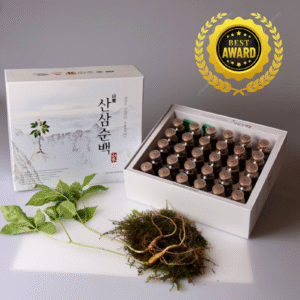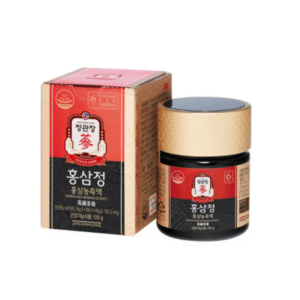
Is ginseng safe for people with kidney problems? This is a critical question for patients with chronic kidney disease (CKD), kidney stones, or reduced renal function. Many people consider Korean ginseng for energy and immune support. However, kidney health requires careful evaluation of any herbal supplement. In this evidence-based guide, we analyze whether Korean ginseng is appropriate for individuals with kidney conditions, based on current scientific literature and clinical safety data.
Understanding Kidney Function and Why Safety Matters
The kidneys regulate fluid balance, electrolytes, and waste removal. They also influence blood pressure and red blood cell production. When kidney function declines, the body becomes more sensitive to medications and supplements.
For example, patients with CKD may experience:
- Reduced glomerular filtration rate (GFR)
- Electrolyte imbalances
- Increased cardiovascular risk
- Altered drug metabolism
Therefore, any herbal product must be evaluated for nephrotoxicity, drug interactions, and hemodynamic effects.
Authoritative organizations such as the National Kidney Foundation (NKF) (https://www.kidney.org/) emphasize that patients with kidney disease should consult healthcare professionals before using herbal supplements. This recommendation includes ginseng.
What Is Korean Ginseng?



4
Korean ginseng refers to Panax ginseng, a medicinal root used in East Asian medicine for over 2,000 years. When steamed and dried, it becomes Korean Red Ginseng.
Its primary bioactive compounds are ginsenosides. These compounds demonstrate:
- Antioxidant effects
- Anti-inflammatory activity
- Nitric oxide modulation
- Immune regulation
According to the National Center for Complementary and Integrative Health (NCCIH) (https://www.nccih.nih.gov/health/ginseng), ginseng may help with fatigue and immune support. However, NCCIH also states that safety depends on individual health conditions.
Is Ginseng Safe for People With Kidney Problems?
Current Evidence Overview
Research does not show strong evidence that Korean ginseng is directly toxic to healthy kidneys. In fact, several experimental studies suggest potential renal protective effects due to antioxidant activity.
For example:
- A review indexed in PubMed (https://pubmed.ncbi.nlm.nih.gov/) describes ginsenosides as protective against oxidative stress in kidney tissue.
- Animal studies suggest reduced inflammation in models of diabetic nephropathy.
However, clinical data in humans with advanced CKD remain limited. Therefore, the answer to is ginseng safe for people with kidney problems depends on disease stage, dosage, and medical supervision.
Potential Benefits of Korean Ginseng for Kidney Health
Although ginseng is not a treatment for kidney disease, some mechanisms may be relevant.
1. Antioxidant Support
Oxidative stress contributes to CKD progression. Ginsenosides may reduce reactive oxygen species. Consequently, they may protect renal cells in early disease stages.
2. Anti-Inflammatory Effects
Chronic inflammation accelerates kidney damage. Korean ginseng appears to modulate inflammatory cytokines in experimental studies.
3. Cardiovascular Protection
Kidney disease increases cardiovascular risk. Korean ginseng may support endothelial function through nitric oxide enhancement. Improved vascular health may indirectly benefit renal outcomes.
Nevertheless, these findings do not replace medical therapy.
Potential Risks and Considerations
Even though Korean ginseng shows promising biological activity, risks exist for people with kidney problems.
1. Blood Pressure Effects
Ginseng may influence blood pressure. Some patients experience mild increases or decreases. Since hypertension is common in CKD, monitoring is essential.
2. Drug Interactions
Kidney patients often take:
- ACE inhibitors
- ARBs
- Diuretics
- Anticoagulants
Ginseng may interact with warfarin and certain cardiovascular drugs. The NIH Office of Dietary Supplements (https://ods.od.nih.gov/) advises caution when combining herbs with prescription medications.
3. Electrolyte Balance
There is limited evidence that ginseng significantly alters electrolytes. However, CKD patients have fragile electrolyte control. Therefore, any supplement should be introduced cautiously.
4. Quality and Contamination
Poor-quality herbal products may contain heavy metals or adulterants. This poses serious risks to compromised kidneys. Thus, product quality is critical.
Who Should Avoid Ginseng?
Although research does not conclusively show nephrotoxicity, some individuals should avoid or delay use:
- Patients with advanced CKD (Stage 4–5)
- Dialysis patients without physician approval
- Individuals on complex anticoagulation therapy
- Patients with unstable blood pressure
In these groups, medical supervision is mandatory.
How to Use Korean Ginseng Safely If You Have Kidney Problems
If you are asking, is ginseng safe for people with kidney problems, consider these structured steps:
Step 1: Consult a Nephrologist
Discuss dosage, extract type, and duration. Bring the product label to your appointment.
Step 2: Choose Standardized Extracts
Look for:
- Clearly labeled ginsenoside content
- Third-party testing
- No artificial additives
- Transparent sourcing
Step 3: Start With Low Dosage
Clinical studies typically use 200–400 mg standardized extract daily. However, patients with kidney concerns may require lower starting doses.
Step 4: Monitor Kidney Function
Check:
- Serum creatinine
- eGFR
- Blood pressure
- Potassium levels
Regular monitoring ensures safety.
Comparing Korean Ginseng With Other Herbal Supplements
Many kidney patients explore herbal options. However, not all are equal.
| Herb | Kidney Safety Evidence | Risk Level |
|---|---|---|
| Korean Ginseng | Limited human CKD data | Moderate, supervised use |
| Aristolochia species | Known nephrotoxicity | High (avoid) |
| Licorice root | May raise blood pressure | Moderate to high |
| Turmeric | Generally safe in moderate doses | Low to moderate |
Notably, aristolochic acid-containing herbs are linked to kidney failure. Korean ginseng does not share this mechanism.
What Do Major Health Organizations Say?
- World Health Organization (WHO) monographs recognize ginseng as a traditional medicinal plant but advise medical supervision in chronic illness.
- NCCIH states ginseng is generally safe for short-term use in healthy adults.
- The National Kidney Foundation recommends discussing all supplements with a healthcare provider.
None of these organizations list Korean ginseng as inherently nephrotoxic. However, they emphasize individualized assessment.
So, Is Ginseng Safe for People With Kidney Problems?
The evidence suggests that Korean ginseng is not inherently toxic to the kidneys. In early or stable kidney disease, supervised use may be acceptable. However, safety depends on:
- Disease stage
- Medication profile
- Dosage
- Product quality
- Ongoing laboratory monitoring
Therefore, the question is ginseng safe for people with kidney problems does not have a universal yes or no answer. It requires personalized medical evaluation.
Choosing a High-Quality Korean Ginseng Product
If your healthcare provider approves ginseng, select carefully.
Look for:
- Authentic Panax ginseng origin from Korea
- Red ginseng processed through steaming
- Standardized ginsenoside concentration
- Certificate of analysis (COA)
- No synthetic stimulants
High-quality Korean ginseng undergoes strict cultivation and processing standards. This reduces contamination risks.
Your kidneys work every day to protect you. Therefore, you must protect them in return. Choose products that respect science, safety, and tradition.
If you want premium, laboratory-tested Korean ginseng sourced directly from Korea, now is the time to act. Support your vitality responsibly. Consult your physician. Then choose a trusted, high-quality Korean ginseng product today.
Your health decisions matter. Make them evidence-based. Make them safe. Make them now.
Medical Disclaimer:
This article is for educational purposes only. It does not replace professional medical advice, diagnosis, or treatment. Always consult your nephrologist or healthcare provider before starting any supplement, especially if you have kidney disease.
🇰🇷 Premium Korean Ginseng Online Shop